
No one is born a perfect leader. The journey from excelling as an individual contributor to inspiring and guiding a team is a fundamental, yet often challenging, developmental phase for professionals transitioning into management roles. This transition, particularly for first-time managers who may lack formal leadership training, necessitates a profound shift in mindset and approach. The very skills and technical acumen that propelled them to success as individual performers can, paradoxically, become an impediment if not consciously adapted. This article explores the critical identity shift required for effective leadership and outlines six key principles for cultivating admired leadership, drawing on insights from research and expert guidance.
The prevalent "script" that often guides early career success—the notion that "my skills, my talents, and my technical knowledge have led to my success"—must be deliberately rewritten. Sticking to this ingrained narrative can, in fact, diminish a new manager’s effectiveness. The core of successful management lies not in individual brilliance, but in the ability to empower others, foster collective achievement, and cultivate a high-performing team environment. This requires a fundamental redefinition of what constitutes success, moving from personal output to the amplified results achieved through the coordinated efforts of others.
The Transformative Journey of New Managers
The transition into management is not merely a change in title or an increase in responsibility; it is a significant career inflection point that demands a recalibration of personal and professional priorities. Research indicates that the initial period of management is often characterized by a steep learning curve, with many new leaders struggling to reconcile their past achievements with the demands of their new roles. A study by the Center for Creative Leadership (CCL) highlighted that a significant percentage of first-time managers report feeling unprepared for the interpersonal and strategic aspects of their positions. This often stems from a lack of foundational training in areas such as team dynamics, conflict resolution, and motivational strategies.
The inherent challenge lies in the shift from a focus on "doing" to a focus on "enabling." Where individual contributors are primarily evaluated on their direct contributions, managers are assessed on their team’s collective output. This necessitates a different set of competencies, emphasizing communication, delegation, and the development of others. The success of a manager is intrinsically linked to the growth and performance of their team members, a paradigm shift that can be disorienting for those accustomed to sole credit for their accomplishments.
Cultivating Admired Leadership: Six Foundational Principles
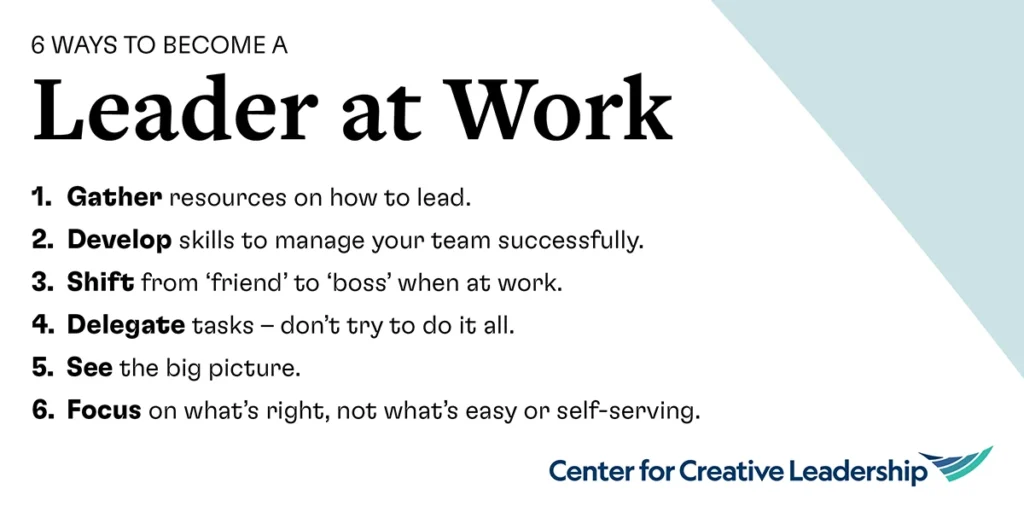
Developing effective leadership is an ongoing process, and for both new and experienced managers, adhering to certain core principles can foster admiration and drive sustained team success. These principles, informed by extensive research and practical application, provide a roadmap for navigating the complexities of leadership.
1. Embracing Continuous Learning and Resource Acquisition
A hallmark of effective leaders is a proactive and open approach to learning. As detailed in the book Be the Boss Everyone Wants to Work For, successful managers actively "flip their mindsets" from being a "great individual contributor" to becoming a "team leader who motivates others to succeed." This mental recalibration is fueled by a genuine curiosity and a desire for growth, rather than solely by the pursuit of external rewards or recognition. Research consistently shows that leaders who view learning as an intrinsically motivating and engaging activity are more adaptable, innovative, and better equipped to navigate evolving organizational landscapes.
This commitment to learning translates into actively seeking out resources, whether through formal training programs, mentorship, industry publications, or peer-to-peer learning. The ability to absorb new information, adapt to changing circumstances, and continuously refine one’s leadership approach is crucial in today’s dynamic business environment. Organizations that invest in their managers’ development, providing them with the tools and opportunities to learn, are likely to see a corresponding improvement in team performance and employee engagement.
2. Developing Core Team Leadership Skillsets
The technical expertise that often leads to a promotion into management is only one piece of the leadership puzzle. Effective managers must intentionally cultivate a robust set of skills specifically tailored to leading teams. This includes, but is not limited to:
- Effective Communication: The ability to articulate vision, provide clear direction, offer constructive feedback, and actively listen to team members’ concerns. This involves mastering both verbal and non-verbal communication, ensuring messages are understood and acted upon.
- Emotional Intelligence: Understanding and managing one’s own emotions, as well as recognizing and influencing the emotions of others. This is critical for building rapport, resolving conflicts, and fostering a positive team atmosphere.
- Problem-Solving and Decision-Making: While individual contributors solve problems within their domain, managers must address issues that impact the entire team, often requiring collaboration and consensus-building.
- Performance Management: Setting clear performance expectations, providing regular feedback, and implementing strategies for performance improvement and development.
- Coaching and Mentoring: Guiding team members to identify their strengths, address weaknesses, and achieve their career aspirations.
Research has indicated that managers who solely rely on their prior technical prowess are often perceived as less successful in their leadership roles. The transition demands a deliberate investment in developing these distinct leadership competencies. The average tenure for a new manager in their role before seeking further development or considering a return to an individual contributor position is often cited as being between 12-18 months, highlighting the critical need for early skill acquisition.
3. Navigating the Identity Shift: From Colleague to Leader
One of the most delicate aspects of transitioning into management is the shift in relationships with former peers. A successful first-time manager understands that former colleagues and friends will naturally perceive them differently. This requires accepting the new role with its inherent responsibilities and establishing clear, professional boundaries. Setting expectations with direct reports, especially those with whom personal friendships existed, is paramount.

Fairness and the avoidance of favoritism are critical for building trust and becoming an admired leader. This involves cultivating strong professional relationships with all team members, regardless of personal affinity. By clearly defining roles, responsibilities, and performance metrics, and by diligently tracking individual and team progress, new managers can foster cohesion and ensure equitable treatment. Ineffective leaders often struggle with this transition because they remain tethered to their previous relational dynamic, failing to adopt the necessary professional distance and authority required for effective management. This inability to "flip the script" from personal relationships to team-focused dynamics can undermine their credibility and impact team morale.
4. The Art and Science of Delegation
A fundamental principle of effective management is the ability to delegate tasks strategically, rather than attempting to perform all work independently. Productive leaders empower their team members by assigning responsibilities, setting clear goals, and providing both positive reinforcement and constructive feedback to facilitate growth. The "do-it-all" manager, still operating under the old script, often defines their success by the sheer volume of work they personally accomplish.
However, this approach is counterproductive. By failing to delegate, managers inadvertently communicate a lack of trust in their team’s capabilities. This can lead to stagnation among team members, reduced productivity, and ultimately, a detrimental impact on the organization. Conversely, effective delegation is a powerful demonstration of trust, empowering individuals, fostering skill development, and freeing up the manager’s time to focus on higher-level strategic initiatives. Studies on team productivity consistently show that organizations with high delegation rates exhibit greater agility and innovation.
5. Cultivating a Strategic Perspective: Seeing the Bigger Picture
The transition to management introduces a significant shift in perspective, moving from an "outsider" view to an "insider" understanding of organizational dynamics and politics. First-time managers often find that embracing these political realities as an integral part of leadership leads to greater productivity and job satisfaction. This involves a conscious effort to gather information about stakeholders, understand their motivations, behaviors, and needs.
Observing behavior, understanding team dynamics, and discerning appropriate actions in various situations are critical skills. Furthermore, leaders must actively seek information beyond their immediate circle, engaging with a diverse range of individuals across the organization. This broadens their perspective, enhances their understanding of interconnectedness, and positions them for greater success. Research suggests that individuals with a broad perspective are more likely to be considered for promotion and to excel in leadership roles, as they can better anticipate challenges and opportunities.
6. Prioritizing Integrity: The Compass for Decision-Making
Leaders bear the profound responsibility of acting in ways that are right and beneficial for the organization and its stakeholders, rather than prioritizing personal convenience or self-interest. Successful managers meticulously evaluate the impact of their decisions on their team, the wider organization, and all involved parties. The development of integrity is not an innate trait but a cultivated characteristic that strengthens over time and through consistent practice.
New leaders are urged to establish a strong moral code and hold their decisions against it, especially when faced with difficult choices. External pressures such as personal relationships, time constraints, or financial incentives should not compromise sound judgment. Leaders who consistently demonstrate integrity foster deep trust within their teams, leading to increased loyalty, engagement, and ultimately, greater career success. This commitment to ethical conduct is fundamental to being an admired leader and building a sustainable, reputable organization.
The Long-Term Implications of Effective Leadership Development
The transition to management is a critical juncture in an individual’s career and has far-reaching implications for organizational health and performance. When individuals are equipped with the necessary skills and mindset to navigate this shift successfully, the benefits are manifold. Teams become more cohesive, productive, and innovative. Employee engagement and retention rates tend to rise, as individuals feel supported, valued, and empowered.
Conversely, a failure to address the developmental needs of new managers can lead to high turnover, decreased morale, and a decline in organizational effectiveness. The cost of replacing a manager can be substantial, not only in terms of recruitment and training expenses but also in the disruption to team dynamics and project timelines. Therefore, investing in comprehensive leadership development programs, particularly those focused on the unique challenges faced by first-time managers, is not merely an operational expense but a strategic imperative for long-term organizational success.
The ongoing evolution of the modern workplace, characterized by rapid technological advancements, shifting market demands, and evolving employee expectations, underscores the continuous need for adaptable and effective leadership. The principles outlined—embracing learning, honing team skills, managing relational dynamics, delegating effectively, adopting a strategic perspective, and upholding integrity—provide a robust framework for individuals to ascend to leadership roles with confidence and competence, ultimately shaping more resilient and thriving organizations.








