The United States is on the precipice of an unprecedented labor shortage, a demographic drought that threatens to reshape the nation’s economic landscape for years to come. This looming crisis, projected by labor market analytics firm Lightcast to be the most severe the country has ever experienced, is being overshadowed by the intense national focus on artificial intelligence. Experts argue that the widespread preoccupation with AI’s potential to displace workers is masking the more fundamental and systemic issues driving this impending scarcity of human capital.
The disconnect is stark: while recent graduates express frustration over their inability to secure entry-level positions, often attributing their struggles to AI, recruiters across numerous sectors are reporting a critical inability to fill roles at all levels. "There just aren’t enough people," stated Matt Walsh, CEO of Phoenix-based search firm Blue Signal, in a recent Washington Post report that brought these concerns to the forefront. This sentiment underscores a growing chasm between the available workforce and the demands of the economy.
Quantifying the Coming Scarcity
The scale of the impending labor shortage is substantial and multi-faceted. Projections from Georgetown University’s Center on Education and the Workforce indicate that between 2024 and 2032, retirements and the creation of new jobs will necessitate an estimated 5.25 million workers with postsecondary education. Within this figure, a significant portion—4.5 million—will require at least a bachelor’s degree. Lightcast’s own research, detailed in their report "Demographic Drought," paints an even starker picture, estimating the overall U.S. worker deficit to approach six million by 2032.
These figures are not abstract projections; they are rooted in deep-seated demographic and societal shifts that have been unfolding over decades. A sustained decline in U.S. birth rates, a demographic trend that began to accelerate in the late 20th century, means fewer young people are entering the workforce to replace retiring generations. Concurrently, a surge of older workers, many of whom are Baby Boomers, are reaching retirement age, creating a significant outflow from the labor pool. This demographic wave of retirements has been a predictable, yet inadequately addressed, factor in workforce planning.
Adding to the complexity, college enrollment has seen a notable downturn, with millions fewer students attending higher education institutions compared to its peak in 2010. This decline can be attributed to a variety of factors, including rising tuition costs, student loan debt burdens, and a shifting perception of the value of a traditional four-year degree for certain career paths. Furthermore, policies and global events have contributed to reduced immigration levels, a historically important source of labor for the U.S. economy, particularly in sectors requiring manual labor and specialized skills.
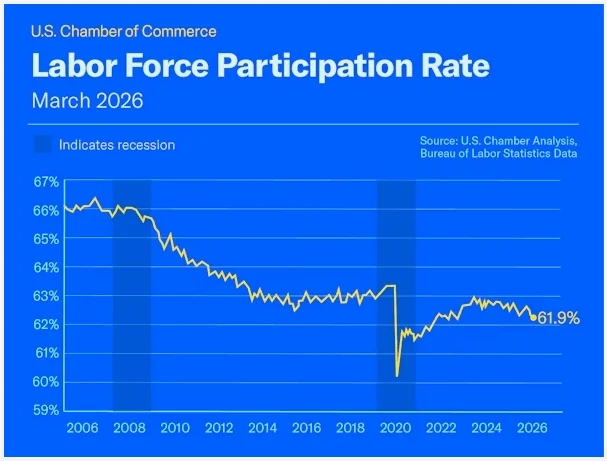
Beyond these demographic headwinds, analyses from the U.S. Chamber of Commerce and various labor economists highlight millions of Americans who are currently sidelined from the workforce due to a range of barriers. These include significant caregiving responsibilities, particularly for children and aging parents, voluntary retirement decisions driven by financial security or a desire for leisure, and the persistent impact of incarceration on individuals’ ability to re-enter the job market. Georgetown’s study explicitly warns that if these pervasive skills shortages are not addressed, they could significantly hobble the American economy for years to come. The implications are so profound that a recent JPMorgan Chase report has elevated the U.S. talent deficit, especially in crucial digital skills, to the level of a national security risk, underscoring the strategic importance of a robust and capable workforce.
The Widening Chasm: Mismatch Between Aspirations and Opportunities
The Washington Post report, and indeed ongoing coverage in publications like HRE (Human Resource Executive), reveals a growing and concerning mismatch between the educational paths many graduates pursue and the actual occupations employers desperately need to fill. This disconnect is not merely an inconvenience; it represents a fundamental inefficiency in the labor market.
As HRE reported in November, research from the Society for Human Resource Management (SHRM) found that a staggering 32.7% of U.S. job openings could not be filled by individuals whose most recent job was in the same occupational group. This statistic points to a significant skills gap and a lack of adaptability in the workforce. James Atkinson, SHRM’s vice president of thought leadership, characterized this as a "wake-up call" for both employers and policymakers, emphasizing the urgent need for systemic adjustments in education, training, and recruitment strategies.
This same SHRM research shed light on a largely overlooked demographic with immense potential: older workers. The study revealed that a striking 93% of HR professionals reported their organizations have no recruitment programs specifically targeting the 65+ workforce. This oversight represents a missed opportunity to tap into a wealth of experience, institutional knowledge, and a motivated segment of the population that may be seeking continued engagement in the workforce.
Adding another layer to this complex issue is the conversation surrounding AI and its perceived impact. While HRE’s coverage of Josh Bersin’s "superworker" research and Deloitte’s human capital trends has explored the potential of redesigning work around AI and training managers for AI-augmented teams, the fundamental shortages identified by The Post’s sources are in sectors less susceptible to immediate AI automation. These critical fields include nursing, medicine, teaching, engineering, construction, and aviation mechanics. These professions are characterized by their reliance on physical presence, nuanced human judgment, and often, regulated credentials. Their inherent nature suggests that they will not be fully automated by AI in the near term, making the current lack of qualified personnel particularly acute.
Navigating the Demographic Storm: Strategic Imperatives for HR and Policymakers
The confluence of these factors—a shrinking labor pool due to demographic shifts, a growing mismatch between worker skills and employer needs, and the paradoxical situation of underutilized segments of the population—demands a proactive and strategic response. HR teams, in particular, are being urged to move beyond traditional recruitment models and to anticipate scenarios where expected talent pools simply do not materialize.
This necessitates a fundamental reevaluation of recruitment strategies. Instead of relying solely on established pipelines, organizations must actively explore and implement recruitment pathways and programs that target overlooked demographics. This includes a serious and sustained effort to engage with older workers, who possess invaluable experience and a strong work ethic. Beyond age, there is a critical need to address the barriers that prevent individuals from participating in the workforce, such as the lack of affordable childcare, flexible work arrangements for caregivers, and more effective re-entry programs for individuals with past incarceration records.
The skills gap also points to a critical need for greater alignment between educational institutions and industry demands. This could involve increased investment in vocational training, apprenticeships, and continuing education programs that equip individuals with the in-demand skills for sectors facing the most acute shortages. Furthermore, a national dialogue is needed on how to incentivize careers in fields like nursing and teaching, which are essential to societal well-being but often face challenges related to compensation and workload.
The implications of failing to address this looming labor shortage are far-reaching. Beyond the direct economic impact of unfilled jobs and reduced productivity, the scarcity of essential professionals like nurses and teachers can have a cascading effect on public health, education, and overall societal stability. The characterization of the talent deficit as a national security risk by JPMorgan Chase underscores the gravity of the situation, suggesting that a weakened workforce can undermine a nation’s ability to compete on the global stage and respond to crises.
As the United States navigates this complex demographic and economic transition, the focus on AI, while important, must not distract from the urgent need to address the fundamental structural issues that are creating this unprecedented labor shortage. A multi-pronged approach involving government policy, employer innovation, and educational reform will be essential to mitigate the impact of the demographic drought and ensure a resilient and prosperous future for the American economy. The time for passive observation has passed; strategic action is now paramount.