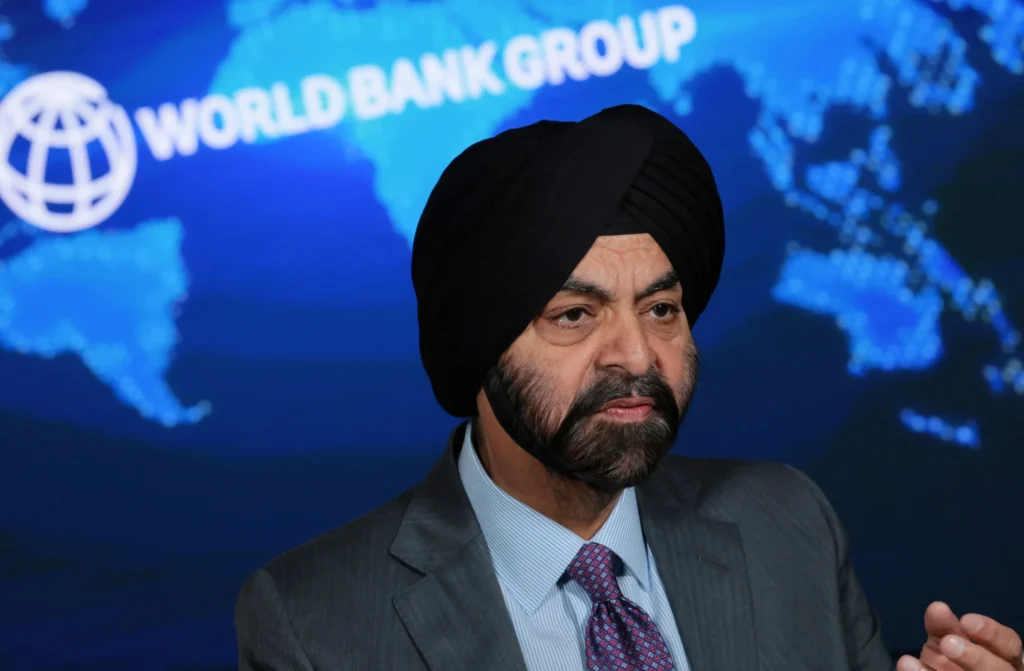
Washington D.C. – As global finance officials convene in Washington D.C. this week for crucial spring meetings of the World Bank and the International Monetary Fund, the immediate specter of the Middle East conflict looms large, threatening to destabilize an already fragile global economy. However, World Bank President Ajay Banga is sounding a stark alarm about a more profound, long-term crisis that risks widespread social and economic upheaval: a colossal deficit in job creation for the burgeoning youth populations in developing countries.
Current projections indicate that over the next decade to fifteen years, approximately 1.2 billion individuals will reach working age in these economies. Yet, at the current pace of economic development, these nations are on track to generate only about 400 million new jobs. This stark shortfall of 800 million jobs, Banga warns, presents a challenge of unprecedented scale, with potentially devastating consequences for global stability and prosperity.
Banga, a former CEO of Mastercard, acknowledges the difficulty in directing attention towards long-term challenges when the world has been buffeted by a relentless series of short-term shocks. The COVID-19 pandemic fundamentally reshaped global economic landscapes, and the recent escalation of conflict in the Middle East has injected fresh uncertainty and the immediate threat of rising inflation and slowed growth. "We have to walk and chew gum at the same time," Banga stated in a recent interview, underscoring the dual imperative of addressing immediate crises while simultaneously laying the groundwork for future economic resilience. He expressed a firm determination to ensure that discussions among finance officials transcend immediate geopolitical concerns and firmly address critical long-term issues such as job creation, expanding access to essential services like electricity and clean water, and fostering sustainable development.
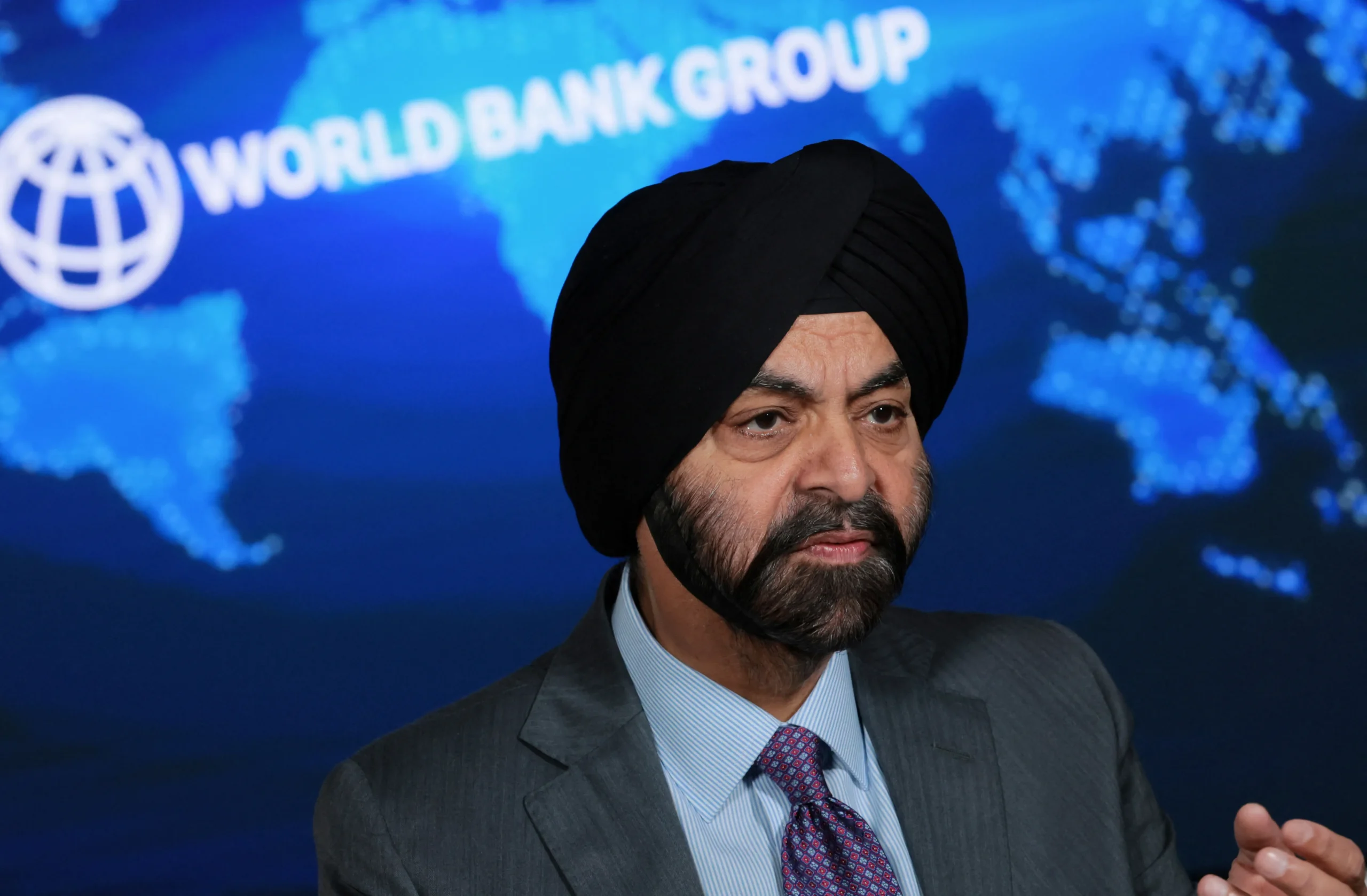
War Overshadows Immediate Financial Concerns
The spring meetings, typically a forum for collaborative economic strategy and policy alignment, are taking place under the significant shadow of escalating geopolitical tensions. Thousands of finance ministers, central bank governors, and senior officials from around the world are gathering in the U.S. capital. The recent conflict, involving the United States and Iran, has amplified fears of a broader regional conflagration, which could further disrupt global supply chains, particularly in the energy sector, and exacerbate inflationary pressures worldwide.
The immediate economic impact of the Middle East crisis hinges on the durability of a recently announced two-week ceasefire. This pause in hostilities, initiated just prior to anticipated retaliatory strikes, has temporarily halted the most intense exchanges. However, the underlying strategic vulnerabilities remain. Iran’s continued effective blockade of the Strait of Hormuz, a critical chokepoint for global oil and gas shipments, poses a persistent threat to energy security. Concurrently, a parallel conflict between Israel and Iran-backed Hezbollah in Lebanon continues to simmer, adding another layer of instability to an already volatile region.
The potential economic fallout from these conflicts is multifaceted. A sustained disruption of oil and gas supplies could trigger sharp increases in energy prices, impacting everything from transportation costs to manufacturing expenses, thereby fueling inflation across the global economy. Furthermore, heightened geopolitical risk can deter foreign investment, disrupt international trade, and lead to increased financial market volatility, creating a challenging environment for economic recovery and growth.
Addressing the Root Cause: Job Creation for a Growing Workforce
Amidst these immediate concerns, Banga is resolutely pushing for a strategic reorientation towards the critical long-term challenge of job creation in developing nations. The World Bank’s governing body, the Development Committee, is set to outline concrete plans aimed at assisting developing countries in streamlining policy and regulatory frameworks that have historically hindered investment and job growth.

These discussions are expected to delve into a range of crucial areas. Transparency surrounding business permits, robust anti-corruption measures, modernized labor and land laws, and the simplification of processes for opening new businesses are identified as key levers for attracting investment. Enhancing logistics, optimizing trade systems, and removing non-tariff barriers to trade are also on the agenda. The objective is to create an environment where entrepreneurship can flourish and where businesses can scale, thereby generating the necessary employment opportunities.
Banga expresses cautious optimism that viable solutions can be found to equip young people with the skills and opportunities for gainful employment, thereby restoring dignity and fostering self-sufficiency. He recognizes that achieving a utopian scenario where every individual is employed within the next fifteen years is unlikely. However, he stresses the severe implications of inaction, including increased irregular migration and heightened societal instability. Data from the United Nations indicates a growing global displacement crisis, with over 117 million people displaced worldwide as of 2025, a figure likely to be exacerbated by widespread unemployment and lack of opportunity.
The World Bank president also highlighted the emerging trend of successful companies in developing countries expanding their global reach. Examples like India’s Reliance Industries and the Mahindra Group, along with Nigeria’s Dangote Group, demonstrate the potential for indigenous businesses to become global players, creating jobs and driving economic growth both domestically and internationally. Banga’s conversations with officials in developing nations confirm a strong appetite for creating more and better jobs for the next generation.
Expanding Access to Essential Services: Water and Energy
Beyond job creation, the World Bank is prioritizing other critical development pillars. A significant focus will be placed on improving access to clean water. In conjunction with other multilateral development banks, the World Bank is poised to announce a major initiative aimed at providing secure access to clean water for an additional one billion people. This initiative will complement existing efforts to connect 300 million households in Africa to the electricity grid and to bolster healthcare systems across the continent.

Access to clean water and reliable energy are not merely humanitarian concerns; they are fundamental enablers of economic development. Reliable electricity powers businesses, facilitates education, and improves public health. Similarly, safe water is essential for public health, agriculture, and industrial processes. By addressing these infrastructure deficits, the World Bank aims to create a more conducive environment for job creation and sustainable economic growth.
Mobilizing the Private Sector for Sustainable Growth
The World Bank has consistently emphasized the need for robust human and physical infrastructure to support job creation initiatives. During the previous fall meetings of the IMF and World Bank, the focus was on laying the groundwork for these essential elements. The current cycle of discussions, particularly in the lead-up to the upcoming meetings in Bangkok, will pivot towards actively attracting private sector investment.
The World Bank has identified five key sectors that are ripe for private sector investment and are less susceptible to the vagaries of global trade fluctuations or outsourcing trends from developed economies. These sectors include infrastructure development, agriculture specifically tailored for smallholder farmers, primary healthcare services, tourism, and value-added manufacturing. The rationale behind focusing on these sectors is their relative resilience to rapid advancements in artificial intelligence, which could otherwise disrupt traditional employment models.
However, Banga underscores that the scale of the challenge necessitates a collaborative approach. "The problem is, we can’t do this alone," he stated. "We’ve got to get this snowball to roll downhill, gathering a lot of snow as it goes along, to reach that amazing number of 800 million." This metaphor highlights the need for a concerted effort involving governments, international organizations, and, crucially, the private sector, to collectively address the looming jobs deficit.

Broader Implications and the Path Forward
The impending jobs crisis in developing nations carries significant implications for global stability. A large cohort of unemployed and disaffected youth can become a breeding ground for social unrest, political extremism, and increased irregular migration. Addressing this challenge proactively is not only an economic imperative but also a matter of global security.
The World Bank’s strategy appears to be a multi-pronged approach:
- Policy and Regulatory Reform: Creating an enabling environment for business and investment within developing countries.
- Infrastructure Development: Investing in essential services like energy and water to support economic activity and improve quality of life.
- Sector-Specific Investment: Targeting sectors with high growth potential and resilience to technological disruption.
- Private Sector Engagement: Leveraging private capital and expertise to drive job creation and innovation.
The coming months and years will be critical in determining whether the global community can effectively mobilize resources and implement policies to avert the projected jobs crisis. The discussions in Washington this week, while dominated by immediate geopolitical concerns, must also lay a robust foundation for tackling this existential long-term challenge. The future economic stability and social cohesion of a significant portion of the world’s population depend on it.