The traditional notion of an office—a static physical space to which employees commute and spend fixed hours—is poised for a radical transformation by the year 2050. Emerging technologies like artificial intelligence (AI), immersive virtual and augmented reality (VR/AR), and even nascent neurotechnology are set to reshape the workplace into an environment that is not merely a location, but an adaptive, anticipatory, and collaborative ecosystem. This vision is illuminated by IWG’s comprehensive global study, "Work Reimagined: The Office of 2050," which surveyed HR leaders and employees worldwide, painting a picture of a future where technology seamlessly integrates with human activity to optimize productivity, well-being, and flexibility.
The study’s findings reveal a profound consensus: the technological landscape of the workplace by mid-century will be almost unrecognizable compared to the tools and systems in use today. This technological leap is not a distant theoretical possibility but is already influencing strategic planning in real estate, human resources, and workplace design.
Brain-Computer Interfaces: From Science Fiction to Strategic Planning
One of the most significant and potentially disruptive predictions from the IWG study centers on the growing expectation for neural interfaces, also known as brain-computer interfaces (BCIs). This technology, which establishes a direct link between the human brain and external computer systems, is ranked as the most anticipated emerging workplace technology for 2050. The study indicates that 33% of HR leaders and 26% of employees foresee neural implants playing a role in future work environments.
While still in its early stages of development, with pioneering companies like Synchron and Neuralink actively exploring real-world applications, the prospect of BCIs has moved beyond the realm of science fiction for many professionals. The potential applications are vast, ranging from enhanced cognitive abilities and direct mental control of devices to personalized feedback loops that optimize performance and learning. The implication is a future where the line between human thought and digital interaction blurs, leading to unprecedented levels of efficiency and new forms of work.
Beyond BCIs, the study anticipates that intelligent systems will increasingly manage complex workflows, tailor working environments to individual needs, and accelerate decision-making processes far beyond the capabilities of current technological solutions. This suggests a future where AI acts not just as a tool, but as an intelligent assistant that understands and responds to individual and collective work patterns.
AI as a Colleague: Reconfiguring Roles and Collaboration
Artificial intelligence is projected to become an even more deeply integrated component of daily operations, fundamentally altering the nature of many job roles. The IWG report indicates that over 70% of HR leaders and 73% of employees believe AI and automation will reconfigure the majority of office roles. This transformation implies a significant shift in the skill sets required for future workforces, with a greater emphasis on uniquely human capabilities.
Furthermore, a substantial portion of respondents believe AI will play a crucial role in orchestrating collaboration, determining the optimal timing and location for team interactions based on specific tasks and evolving team dynamics. This predictive and adaptive approach to collaboration could significantly reduce inefficiencies associated with mismatched schedules and suboptimal team configurations.

On an individual level, AI is expected to revolutionize training and onboarding processes. AI-assisted learning platforms are anticipated to shorten learning curves dramatically, enabling new employees to become productive contributors much faster than in previous generations. As AI takes over more routine and repetitive tasks, human effort is expected to be increasingly directed towards higher-order cognitive functions such as complex problem-solving, creative ideation, and decision-making in uncertain or ambiguous situations. This elevates the human role to one of strategic thinking and innovation, leveraging AI as a powerful enabler.
Immersive Technologies: Redefining Meetings and Presence
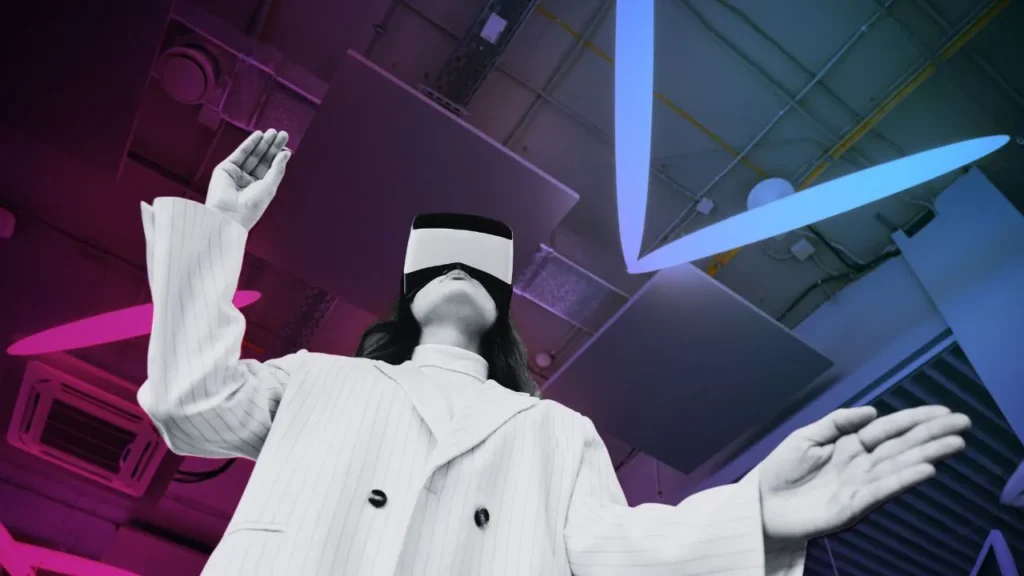
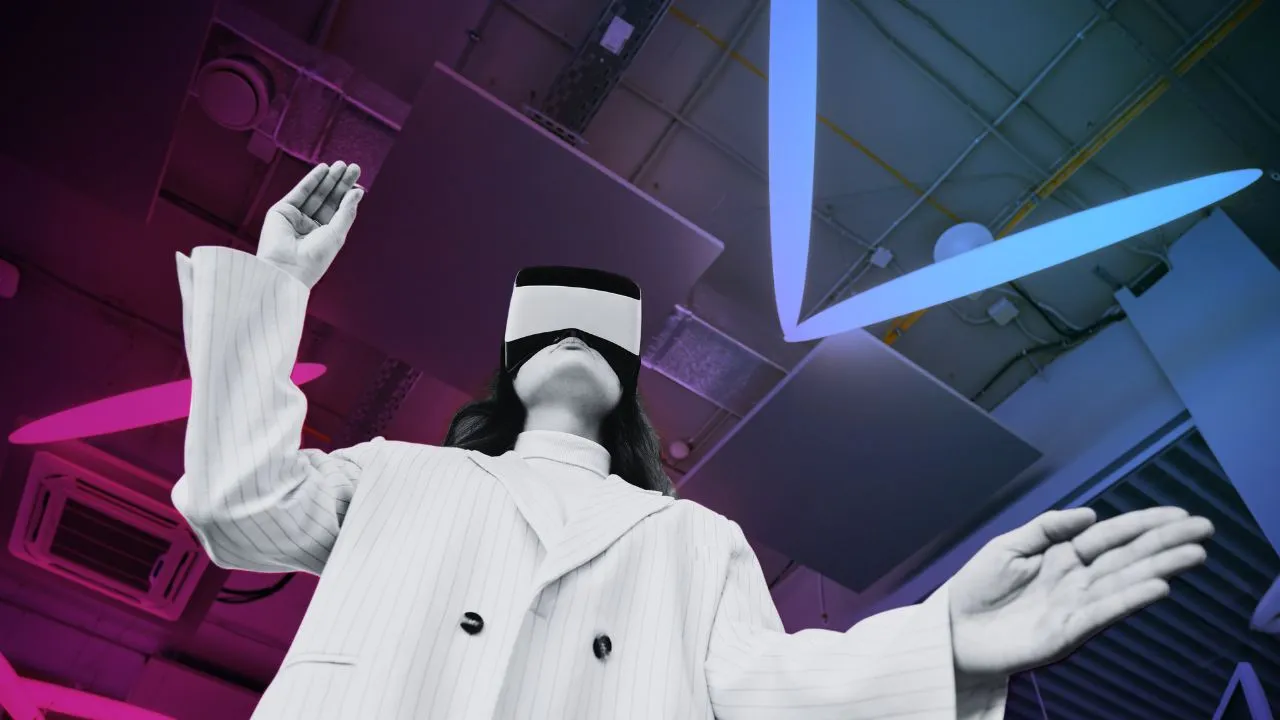
The study also forecasts a significant shift in communication paradigms, with immersive technologies like virtual and augmented reality poised to become a core element of workplace interaction. Approximately 70% of HR leaders and 69% of employees predict that VR/AR will supplant many traditional office interactions by 2050, including in-person meetings and spontaneous desk-side conversations.
Instead of relying on a single physical meeting room, collaboration is expected to migrate to shared digital environments. These virtual spaces will allow remote and in-office workers to interact seamlessly in real-time, fostering a sense of shared presence and collective engagement regardless of physical location. This could lead to more inclusive and accessible collaboration, breaking down geographical barriers and allowing for diverse global teams to work together more effectively. The development of sophisticated haptic feedback and spatial audio within these environments will further enhance the feeling of immersion and presence, making virtual interactions nearly indistinguishable from their physical counterparts.
The Dissolution of the Traditional Commute and Fixed Work Hours

The very structure of the workday is also on the cusp of profound change. Nearly seven in ten respondents, comprising 69% of HR leaders and 68% of employees, believe that long daily commutes and the rigid 9-to-5 schedule will become relics of the past by 2050. This sentiment reflects a growing demand for work arrangements that prioritize flexibility and autonomy.
The future of work is envisioned as being distributed across a network of locations rather than concentrated in a single central office. The IWG study indicates that 70% of HR leaders and a significant 75% of employees anticipate multi-site working to become the standard. This could involve a network of co-working spaces, satellite offices, and even home-based setups, all integrated through advanced technology.
Hybrid work models are projected to evolve from a niche arrangement to the dominant mode of operation. A substantial 78% of HR leaders and 64% of employees expect hybrid work to be the prevailing model. This shift suggests a decline in the prevalence of strict return-to-office mandates as flexibility becomes an essential baseline expectation for employees, influencing talent attraction and retention strategies.
Responsive and Adaptive Office Environments
Beyond the structure of work and the tools used, the physical office space itself is predicted to become far more dynamic and responsive to human needs. Respondents described future offices equipped with systems that adjust lighting and environmental conditions based on individual biological rhythms, a feature anticipated by 28% of participants. Furthermore, 30% expect offices to detect fatigue and prompt employees to take breaks, fostering a healthier and more sustainable work environment. Interactive surfaces, where walls function as digital displays, are envisioned by 24% of respondents, transforming static spaces into dynamic hubs for information sharing and collaboration.

These adaptive environments suggest a move away from static, one-size-fits-all office designs towards spaces that continuously monitor and respond to user behavior, creating personalized and optimized working conditions. This could lead to enhanced comfort, reduced stress, and improved focus, ultimately boosting overall productivity and well-being. The integration of sensors, AI, and smart building technology will be key to realizing this vision of a truly responsive workspace.
A Renewed Focus on Human-Centered Design, Augmented by Technology
Despite the profound technological advancements anticipated, the IWG report underscores a continued and perhaps intensified focus on human well-being and experience. The integration of advanced systems is not intended to replace human interaction but rather to support and enhance diverse modes of work within the same environment. Future office concepts are likely to incorporate elements that promote mental and physical health, foster community, and provide opportunities for meaningful human connection, albeit potentially in new and innovative ways.
Flexibility as the Paramount Requirement
Across all the study’s findings, flexibility emerges as the most defining expectation for the future of work. A significant three-quarters of both HR leaders and employees (75%) assert that flexibility will be absolutely essential for attracting and retaining talent by 2050. Beyond flexibility in terms of location and hours, respondents also place a high value on employee well-being, autonomy, and the ability to choose how and where their work is performed.

Mark Dixon, founder of IWG, highlighted the rapid pace of technological advancement, stating that "advances in AI and emerging technologies are transforming the workplace faster than many organizations are prepared for." This sentiment suggests a potential gap between the anticipated future and the current readiness of many businesses, emphasizing the need for proactive strategic planning and adaptation.
The Office of 2050: An Evolving Blueprint
While the technological advancements and workplace transformations described in the IWG study might seem distant or even futuristic, the report indicates that these concepts are already actively influencing strategic decisions in real estate development, HR policy formulation, and workplace design. The office of 2050 is not expected to appear overnight but will likely emerge gradually, shaped by the incremental integration of AI systems that manage tasks and workflows, adaptive physical spaces that respond to their occupants, and communication platforms that transcend the need for shared physical presence.
The implications of this evolving workplace are far-reaching. Businesses that embrace these changes proactively will likely gain a significant competitive advantage in attracting and retaining top talent, fostering innovation, and enhancing operational efficiency. Conversely, organizations that are slow to adapt may find themselves struggling to meet the expectations of a future workforce that prioritizes flexibility, technology integration, and human-centered work environments. The transition to the office of 2050 represents a fundamental rethinking of what work is, where it happens, and how it is supported, promising a more dynamic, personalized, and ultimately, more human-centric professional landscape.
The development of this future workplace will be an ongoing process, requiring continuous dialogue between technologists, employers, and employees to ensure that the innovations serve to enhance, rather than detract from, the human experience of work. As the lines between the physical and digital worlds blur, and our understanding of human-computer interaction deepens, the office of 2050 promises to be a testament to our evolving relationship with technology and our enduring need for fulfilling and adaptable work environments. The groundwork for this paradigm shift is already being laid, as companies begin to pilot and integrate the technologies that will define the future of professional life.