
The integration of Artificial Intelligence has transitioned from a speculative technological trend to a central strategic pillar within the global learning technology landscape. According to a comprehensive industry benchmark report released by eLearning Industry, which surveyed more than 500 practitioners and providers in the Learning and Development (L&D) sector, there is a profound alignment regarding the importance of AI, yet a significant "expectation gap" persists in its practical application. While vendors are aggressively pivoting their business models to be AI-first, buyers—comprising corporate L&D leaders and educational institutions—remain anchored in a pragmatic evaluation phase, prioritizing tangible value, user trust, and measurable learner outcomes over the sheer novelty of innovation.

The Strategic Shift: AI as a Core Requirement
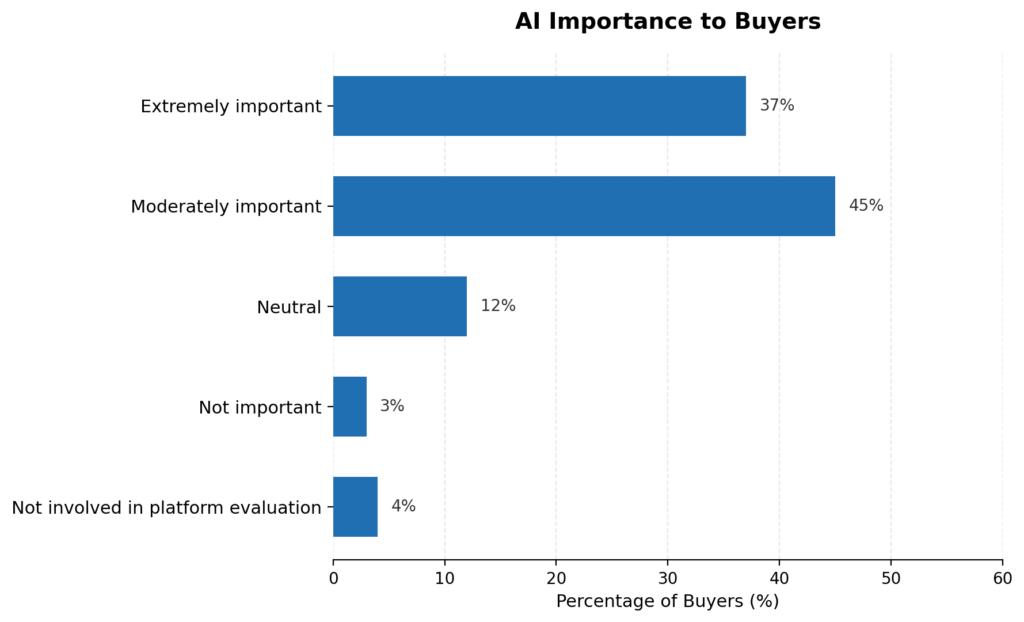
The report’s findings underscore a fundamental shift in how educational technology is procured and valued. For the modern buyer, AI is no longer a "nice-to-have" feature but an expected component of any competitive learning platform. Data reveals that more than 80% of L&D professionals describe AI capabilities as either "extremely important" (37%) or "moderately important" (45%) when evaluating new solutions. In contrast, a negligible 3% of the market views AI as unimportant, signaling a near-universal consensus that the future of learning is inextricably linked to automated and intelligent systems.
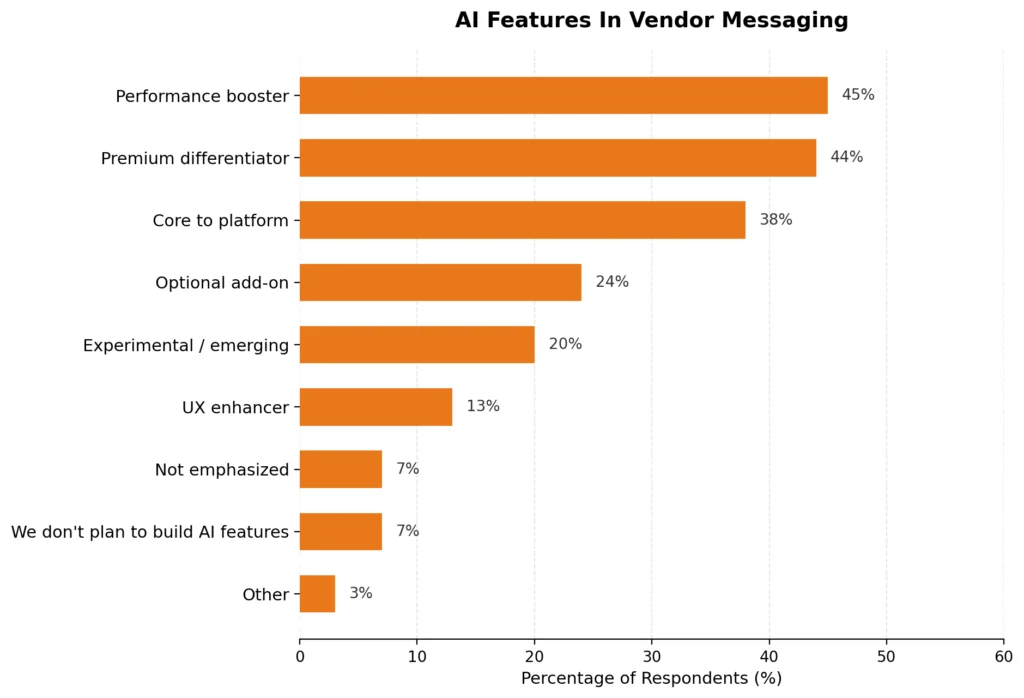
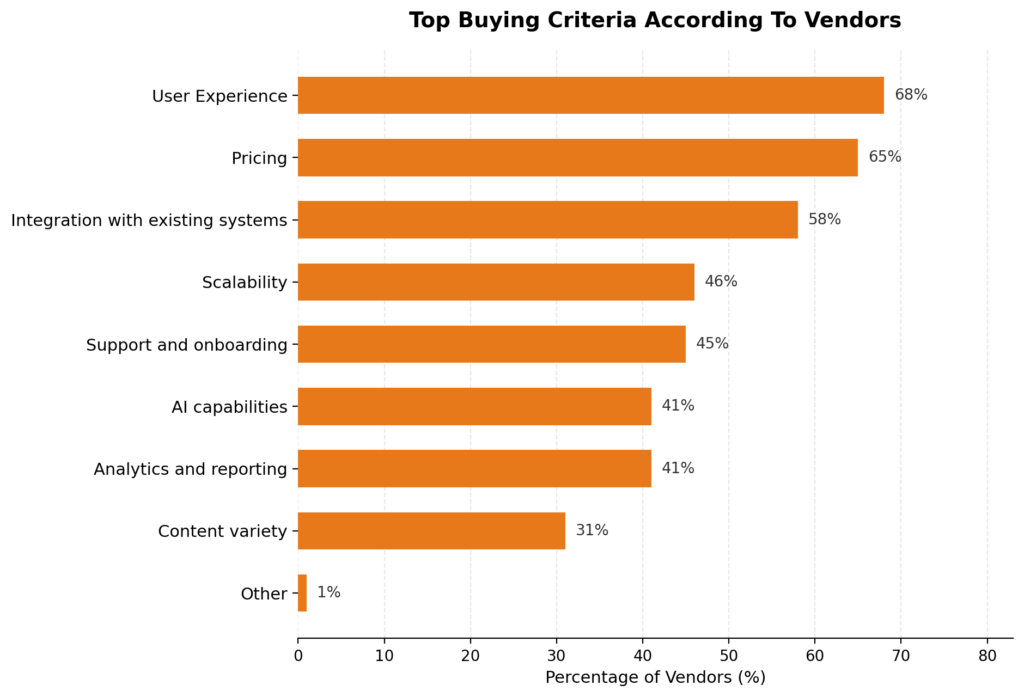
From the vendor perspective, the messaging has shifted to meet this demand. AI is now deeply embedded in market positioning, with 45% of providers branding their AI tools as performance boosters and 44% using them as premium differentiators. Furthermore, 38% of vendors now consider AI a core platform capability rather than an add-on. This aggressive positioning suggests that vendors are not merely reacting to market trends but are attempting to lead the market toward a new standard of "AI-enabled" excellence. However, market signals indicate that while AI is a competitive expectation, it has not yet replaced foundational requirements such as User Experience (UX), pricing transparency, and seamless integration capabilities.
The Adoption Divide: Maturity vs. Planning
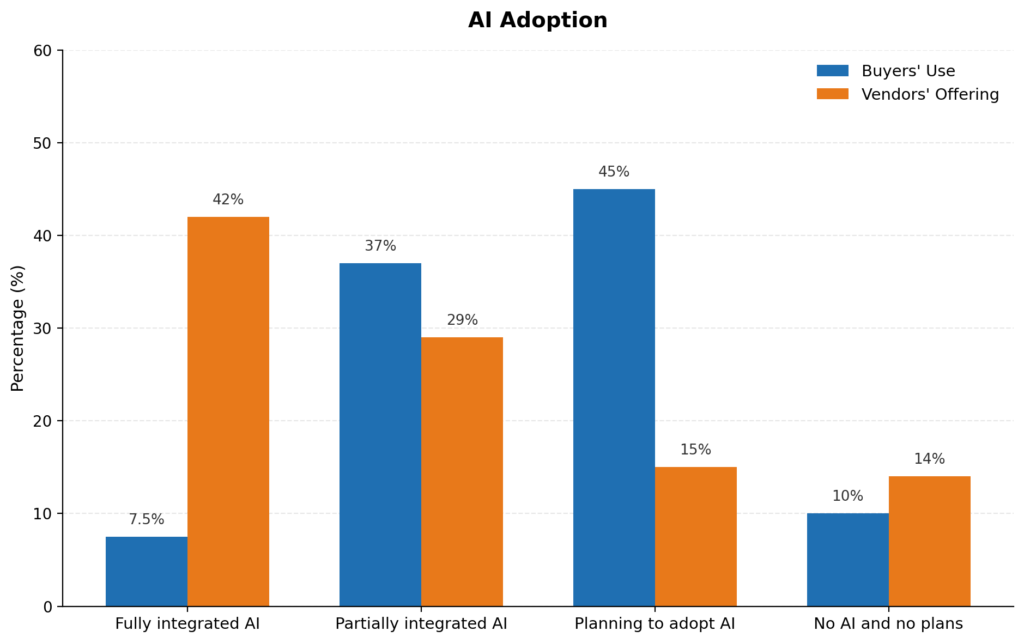
One of the most striking revelations of the 2026 benchmark report is the disparity in adoption maturity between those who build the technology and those who use it. The data highlights an "adoption gap" that could define the next several years of industry growth. Currently, 42% of technology vendors report that they have fully integrated AI capabilities into their product offerings. Conversely, only 7.5% of buyers describe AI as being fully integrated within their internal learning environments.
This 34.5% gap suggests that while the supply side of the market is ready for an AI-driven world, the demand side is still navigating the complexities of implementation. Nearly half of all buyers (45%) report being in the "active planning" phase, indicating a massive wave of upcoming adoption that has yet to materialize in daily operations. For vendors, this represents both a challenge and an opportunity: the providers who will ultimately win market share are those who can bridge this gap through education, hands-on implementation support, and the provision of practical use cases that move beyond theoretical benefits.
A Chronology of the AI Evolution in L&D
To understand the current state of the market, it is essential to view these findings within a broader chronological context. The trajectory of AI in learning technology has moved through several distinct phases over the last few years:
- 2023: The Year of Discovery. The emergence of Large Language Models (LLMs) triggered a surge of interest. L&D leaders began experimenting with basic generative tools for content creation and brainstorming.
- 2024: The Pilot Phase. Vendors began integrating "wrappers" around existing AI models to offer basic chatbots and automated tagging. Organizations started forming AI task forces to evaluate ethics and data privacy.
- 2025: The Roadmap Pivot. The industry saw a massive shift in product development. Strategic investment moved from traditional LMS features to AI-driven personalization and automated skills mapping.
- 2026: The Reality Check. As reflected in the current report, the industry has reached a stage of critical evaluation. The "hype" has been replaced by a demand for governance, transparency, and specific features that solve high-level business problems.
Divergent Priorities: What Buyers Want vs. What Vendors Build
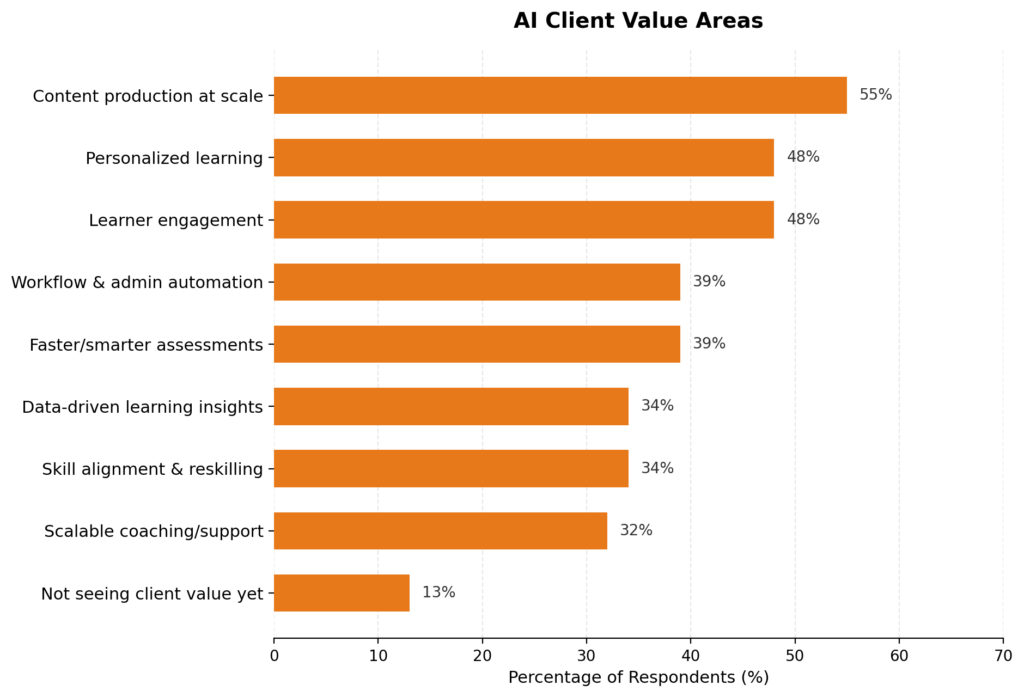
Perhaps the most critical insight for stakeholders is the divergence in feature prioritization. When asked which AI applications offer the most value, 65% of buyers identified "personalized learning paths" as their top priority. This reflects a long-standing goal in L&D: delivering the right content to the right person at the right time.
However, vendor investment does not perfectly mirror this demand. While personalization is high on the list, the primary focus for 70% of vendors is "AI-generated content." This suggests a potential misalignment; vendors are focused on the "scalability" of content production, while buyers are more concerned with the "relevance" and "experience" of the learner.
A similar trend is observed in the realm of AI coaching and chatbots. Over half (55%) of vendors are heavily investing in these interactive tools, yet only 35% of buyers rank them as a top-tier value proposition. This indicates that while vendors see chatbots as a way to provide 24/7 support, buyers may still be skeptical of the efficacy of AI-driven coaching compared to human-led or peer-to-peer interactions.
Impact on Organizational Structure and Talent
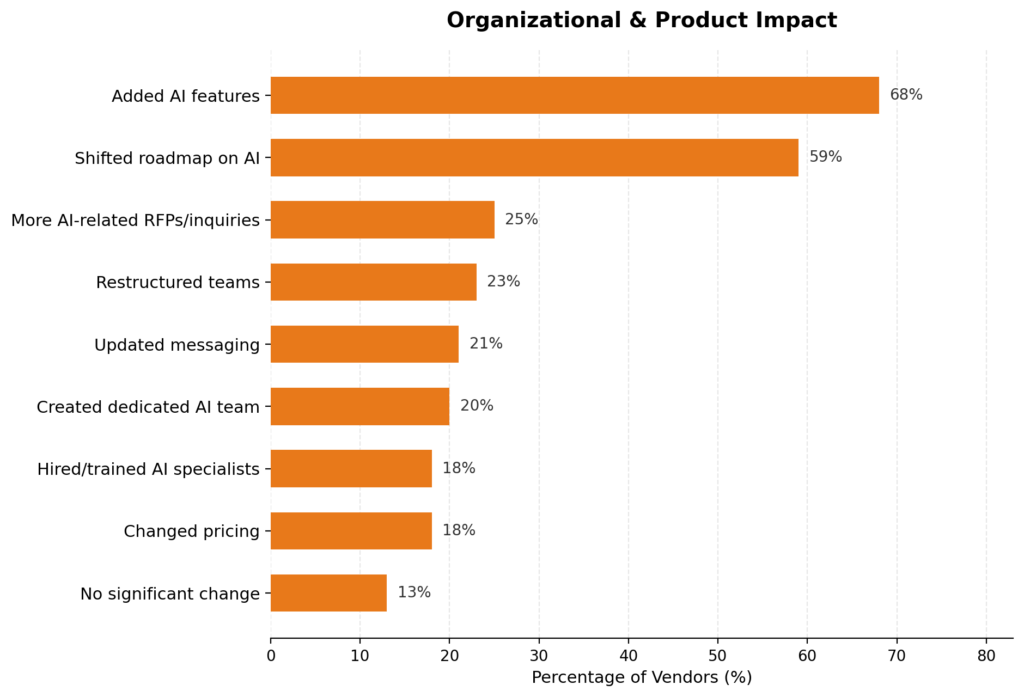
The influence of AI extends far beyond software features; it is fundamentally altering the DNA of L&D teams. The report notes that AI is now a strategic business initiative rather than just a technical one. Among vendors, 59% have shifted their entire product roadmaps to prioritize AI, and nearly a quarter have undergone significant organizational restructuring. This includes the creation of dedicated AI research groups and the aggressive hiring of specialist talent in data science and prompt engineering.
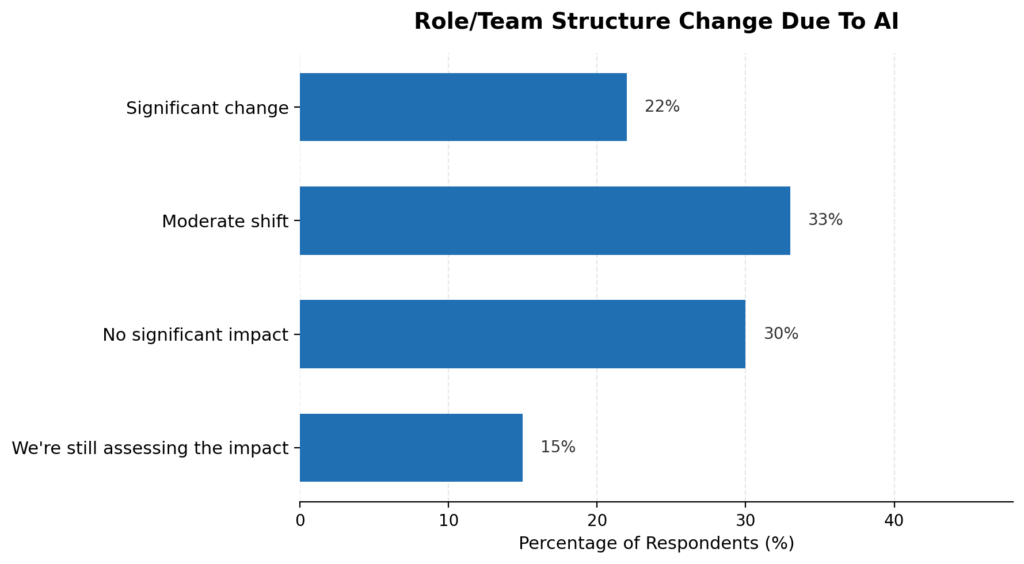
On the buyer side, the impact is equally transformative. Twenty-two percent of L&D leaders report significant changes to their team roles due to AI. Traditional "content creators" are evolving into "AI content curators" and "experience architects." Another 33% report moderate changes, suggesting that more than half of the industry is already seeing a shift in the skills required to manage a modern learning function. These findings suggest that AI is not just a tool for purchasing; it is a catalyst for how organizations work, hire, and plan for the future.
Challenges to Development and Market Readiness
Despite the momentum, the path to a fully AI-integrated learning ecosystem is fraught with obstacles. Vendors cite "keeping pace with innovation" (48%) and "integration complexity" (45%) as their primary hurdles. The speed at which underlying AI models evolve makes it difficult for software providers to maintain stable, long-term roadmaps without constant iteration.
Furthermore, resource limitations—including budget constraints and a shortage of specialized staffing—affect 41% of vendors. However, a more subtle barrier is the "customer awareness gap." Nearly one-third of providers believe that buyers do not yet fully understand how AI can be effectively integrated into their existing workflows. This suggests that the next phase of market competition will be won not just by those with the best technology, but by those who can best educate their clients on its practical application.
Addressing Concerns: Privacy, Ethics, and Trust
As AI becomes more pervasive, the risks associated with its use have moved to the forefront of industry discourse. There is a notable alignment between buyers and vendors regarding the primary risks: data privacy and GDPR compliance. This is a top concern for 59% of buyers and 69% of vendors. In an era of strict data sovereignty, the thought of proprietary corporate knowledge being fed into public AI models remains a significant deterrent to adoption.
Accuracy and the risk of "hallucinations"—where AI generates confident but false information—rank as the second most pressing concern. However, a divergence appears regarding ethics and bias. While 54% of buyers express deep concern over ethical issues and algorithmic bias, only 38% of vendors appear to prioritize this to the same degree. Additionally, buyers are significantly more worried about "vendor lock-in" or becoming overly dependent on a single AI provider (29% of buyers vs. 7% of vendors).
The Path Forward: Building a Trust-First Ecosystem
To bridge the expectation gap, the industry must move toward a "trust-first" model. The report highlights that "control" is the ultimate currency for buyers. Approximately 60% of respondents stated that having direct control over AI settings and parameters is the most effective way to build trust. This includes the ability to toggle specific AI features on or off and the transparency to see how the AI arrived at a particular recommendation.
Training and support (55%) and robust data privacy protections (54%) are also essential pillars for building long-term confidence. Vendors who offer "explainable AI"—systems that can justify their outputs and provide a clear audit trail—will likely find a more receptive audience among cautious L&D leaders.
Analysis of Implications
The data from the 2026 report suggests that the learning technology market is entering a phase of "productive disillusionment." The initial magic of AI has worn off, and buyers are now asking hard questions about ROI, data security, and pedagogical integrity. The most successful vendors in the coming years will be those who stop selling "AI" as a buzzword and start selling "solutions" where AI is an invisible but powerful engine for personalization and efficiency.
For L&D leaders, the takeaway is clear: the planning phase must eventually transition into controlled experimentation. As team structures shift and new roles emerge, the ability to manage AI vendors and audit AI outputs will become as important as traditional instructional design. The "Expectation Gap" is not merely a technical divide; it is a communication challenge. Closing it will require a concerted effort from both sides to align on what "value" truly looks like in an AI-powered world.






