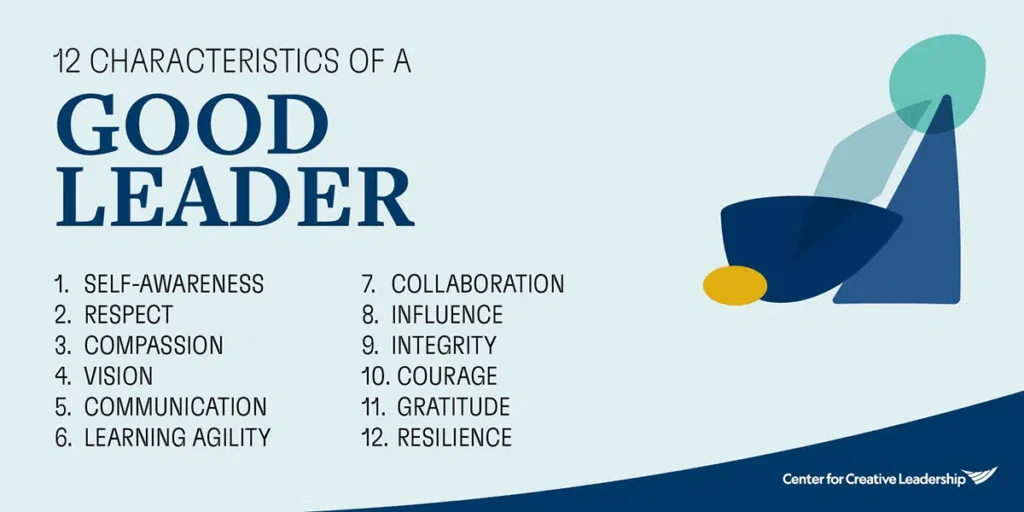
Leaders are the architects of our teams, the navigators of our organizations, the bedrock of our communities, and the driving force behind the progress of our world. In an increasingly complex and interconnected global landscape, the demand for effective leadership has never been more critical. These individuals are tasked with the immense responsibility of guiding us, making pivotal decisions—both grand and granular—that propel progress and foster growth. While society often possesses a keen ability to identify detrimental leadership, the discerning identification of exemplary leadership qualities can be more elusive. What are the fundamental attributes that define a truly good leader, and how do these qualities manifest in practice?
Drawing upon decades of extensive research and practical experience working with leaders across thousands of organizations worldwide, a consistent pattern of essential qualities and skills has emerged among the most effective leaders. These are not innate talents bestowed upon a select few, but rather a suite of competencies that can be cultivated and honed. This exploration delves into twelve such fundamental leadership traits, offering a comprehensive framework for understanding and developing impactful leadership.
The Pillars of Exemplary Leadership
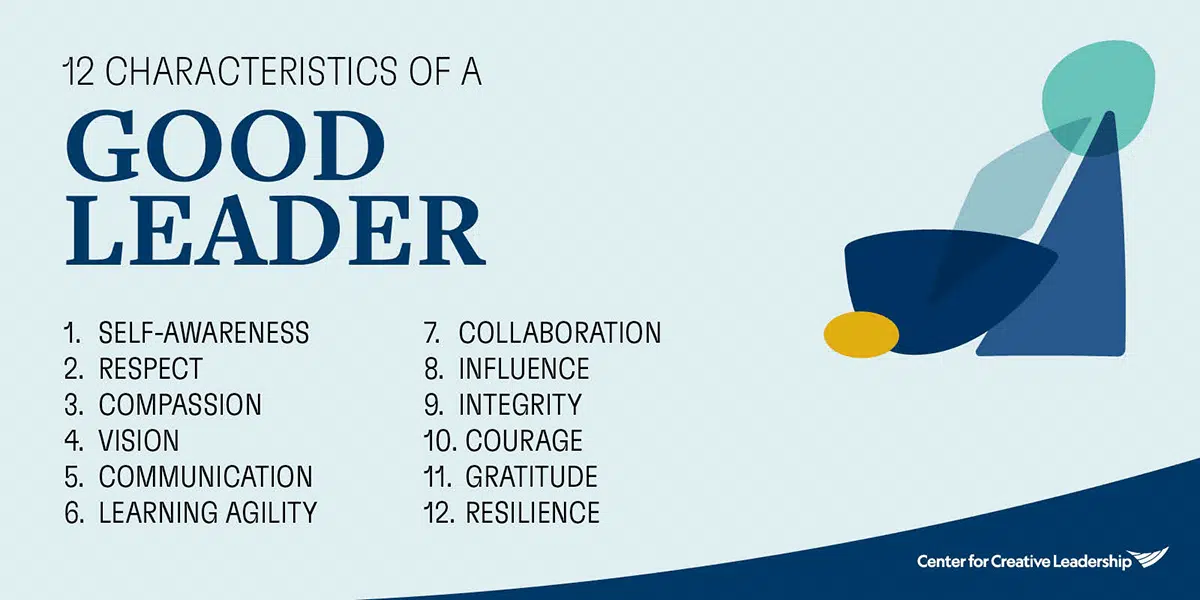
The journey to understanding good leadership begins with an inward focus, an appreciation for the foundational elements that enable outward effectiveness. The following twelve characteristics, identified through rigorous research, form the bedrock of successful leadership in any context.
1. Self-Awareness: The Foundation of Effective Guidance
At the core of impactful leadership lies self-awareness—a profound understanding of one’s own personality traits, behaviors, emotional responses, and underlying anxieties. This introspective quality, coupled with humility, is paramount. The more deeply a leader understands their own strengths and limitations, the more adept they become at navigating their role and inspiring those around them. This includes grasping how one is perceived by others and understanding the impact of their presence in both professional and personal spheres. Cultivating self-awareness involves a continuous process of reflection, seeking feedback, and engaging in practices that illuminate one’s internal landscape. The ability to recognize personal biases, triggers, and habitual responses is crucial for making sound judgments and fostering genuine connections.
2. Respect: The Currency of Trust and Belonging
Demonstrating consistent respect is arguably one of the most significant contributions a leader can make. It serves as a powerful catalyst for diffusing tension, mitigating conflict, and cultivating an environment of profound trust. This, in turn, amplifies a leader’s overall effectiveness. Building a culture of respect transcends mere avoidance of disrespect; it involves actively valuing the perspectives of others, making a concerted effort to foster a sense of belonging within the workplace, and acknowledging the inherent dignity of each individual. This creates a psychological safety net where diverse voices are not only heard but also encouraged, leading to more inclusive decision-making and enhanced team cohesion.
3. Compassion: Action Born from Understanding
Compassion extends beyond mere empathy or active listening. It necessitates a commitment to translate understanding into tangible action. When individuals share concerns or express challenges, they seek not just a sympathetic ear, but a leader who will act upon the information provided. This responsive approach, the essence of compassionate leadership, is vital for building enduring trust, fostering robust collaboration, and significantly reducing employee turnover. Compassionate leaders recognize that addressing the human element of work is as critical as addressing strategic objectives, creating an environment where individuals feel genuinely supported and valued.
4. Vision: Charting the Course for the Future
Vision represents an organization’s or team’s aspirational future state. The ability to articulate this vision compellingly, inspire others towards it, and garner unwavering commitment are indispensable leadership functions. Purpose in leadership is intrinsically linked to this vision, ensuring that the daily tasks and individual values of team members are aligned with the overarching organizational direction. This alignment imbues work with meaning, leading to increased engagement, heightened trust, and the focused pursuit of priorities. Effective communication of this vision is key, ensuring it is understood, remembered, and ultimately embraced by all.

5. Communication: The Art of Connection and Clarity
Communication is a multifaceted discipline, encompassing the transmission of information, the power of storytelling, the skill of soliciting input, and the nuanced art of active listening. Exceptional leaders are masterful communicators, adept at conveying messages effectively through various channels—oral and written—and engaging with a diverse spectrum of individuals across different backgrounds, roles, levels, and geographical locations. The inextricable link between leadership and communication underscores its critical importance. The efficacy of communication strategies directly impacts the successful execution of business objectives and the overall health of an organization.
6. Learning Agility: Navigating the Unknown with Grace
Learning agility is the capacity to effectively address situations where one lacks prior knowledge or experience. Individuals who are quick studies or excel in unfamiliar circumstances often exhibit a natural inclination towards learning agility. However, this crucial skill can be actively fostered and enhanced through deliberate practice and dedicated effort. As the adage suggests, great leaders are, in essence, great learners. In a rapidly evolving world, the ability to adapt, acquire new skills, and apply knowledge in novel contexts is a hallmark of resilient and forward-thinking leadership.
7. Collaboration: Harnessing Collective Strength
Collaboration is a defining characteristic of leaders who can effectively engage with colleagues from diverse social identities, geographical locations, functional roles, and varied life experiences. In an increasingly complex and interconnected global arena, adept leaders find themselves transcending traditional boundaries, learning to navigate and bridge various divides and organizational silos. Embracing collaboration, whether within immediate teams or across functional departments, yields significant benefits: enhanced connection, accelerated innovation, deepened trust, higher-performing teams, and improved workforce engagement and motivation.
8. Influence: The Power of Persuasion and Partnership
Influence, the ability to thoughtfully persuade others, is a vital trait for inspiring and effective leaders. While the term "influence" might sometimes carry negative connotations, it is an indispensable tool for leaders who must mobilize others to achieve collective goals. Influence, when exercised authentically and transparently, is distinct from manipulation. It necessitates a high degree of emotional intelligence and cultivated trust, enabling leaders to guide and inspire action without resorting to coercion.
9. Integrity: The Bedrock of Trust and Ethical Conduct
Integrity, characterized by consistency, honesty, moral fortitude, and trustworthiness, is an indispensable leadership trait for both individuals and organizations. This quality is particularly critical for senior executives responsible for charting an organization’s strategic course and navigating complex decision-making challenges. Research has highlighted that leader integrity can be a potential blind spot for organizations, underscoring the importance of reinforcing the values of honesty and ethical conduct at all organizational levels.
10. Courage: The Will to Act Rightly
Courage empowers both team members and leaders to undertake bold actions that drive progress. Speaking up in a professional environment—whether to propose a new idea, offer constructive feedback, or raise a concern—can be challenging. Courage is thus a key leadership trait, embodying the willingness to do what is right, even when it is difficult. Leaders who cultivate psychological safety within their teams enable individuals to express themselves freely and share candid concerns without fear of reprisal, fostering an environment conducive to truth-telling and courageous action.
11. Gratitude: The Uplifting Force of Appreciation
Gratitude, the uplifting emotion experienced upon receiving something of value, contributes to enhanced self-esteem, reduced feelings of depression and anxiety, and improved sleep. Genuine gratitude can transform an individual into a more effective leader. Despite its profound impact, expressions of thanks are often infrequent in workplace settings, even though many employees report a willingness to work harder for an appreciative leader. Exemplary leaders understand the profound impact of consistently expressing gratitude within the workplace.
12. Resilience: Adaptive Strength in the Face of Adversity
Resilience extends beyond the capacity to recover from setbacks; it is the ability to respond adaptively to challenges. Practicing resilient leadership involves projecting a positive outlook, which in turn helps others maintain the emotional strength required to commit to a shared vision and fosters the courage to persevere through adversity. Resilient leaders prioritize not only their own well-being but also the well-being of their teams, thereby enhancing individual and collective performance.
Three Foundational Truths About Effective Leadership
The Center for Creative Leadership (CCL) has dedicated nearly six decades to researching the qualities of great leaders and the profound impact of good leadership on organizations and society. This extensive work has solidified three core beliefs that shape our understanding of effective leadership:
Good Leaders Are Made, Not Born: Leadership skills are not predetermined but are cultivated through experience, continuous learning, intentional effort, and adaptability. Individuals can strengthen any of the aforementioned leadership characteristics through a commitment to growth, leveraging experiences as opportunities for development, and investing time and effort in self-improvement. Organizations play a crucial role in this development by providing ample training, supporting learning from challenges, and offering robust coaching and mentoring programs.
Leadership is a Social Process: Effective leadership is less about the singular brilliance of an individual and more about a collective group working harmoniously to achieve shared objectives. Even a leader possessing numerous desirable traits will struggle to achieve significant goals without understanding this fundamental principle. Leadership, as defined by CCL, is a social process that fosters "direction, alignment, and commitment" (DAC) within a group, ensuring that collective efforts are channeled effectively towards desired outcomes.
Good Leadership is a Continuous Journey: Leadership is not a static destination but an ongoing journey of learning and adaptation. The core leadership skills discussed are applicable across all levels, industries, and organizational structures. As teams, projects, and situations evolve, so too will the leadership challenges and competencies required for success. Continuous learning and personal growth are therefore essential for sustained leadership effectiveness throughout one’s career.
Cultivating and Nurturing Leadership Qualities
Organizations can significantly enhance leadership capabilities and foster deeper employee engagement by offering a diverse array of on-the-job learning experiences, mentorship opportunities, and formal development programs. CCL has partnered with numerous organizations globally to deliver award-winning leadership development initiatives.
Individuals need not wait for organizational support to begin strengthening their leadership qualities. Proactive development is key. By downloading comprehensive action guides and visual summaries of leadership characteristics, individuals can gain a readily accessible reminder of these essential qualities. Furthermore, seeking guidance on how to advocate for investment in one’s professional development can be a powerful step towards realizing leadership potential. The journey to becoming a better leader is supported by resources and insights that empower continuous growth.
Embracing the Path Forward
For those ready to embark on or advance their leadership journey, the commitment to continuous learning and growth is paramount. Subscribing to exclusive leadership insights and newsletters ensures a consistent flow of research-based articles, webinars, resources, and guides, delivered directly to one’s inbox. This ongoing engagement with leadership best practices is crucial for staying abreast of evolving trends and refining one’s approach. By embracing these principles and actively cultivating these twelve essential characteristics, individuals can become more effective, inspiring, and impactful leaders, shaping a more positive and productive future for their teams, organizations, and the world at large. The evidence from decades of research by institutions like the Center for Creative Leadership underscores a clear and actionable path: leadership is a skill that can be learned, a process that thrives on collaboration, and a journey that demands perpetual commitment to growth and adaptation.