
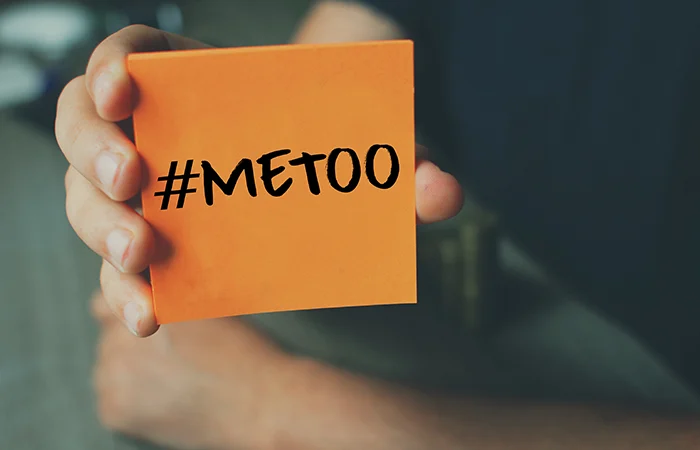
Following a period marked by escalating allegations of sexual abuse, U.S. Representative Eric Swalwell’s resignation from Congress earlier this week, coupled with the suspension of his California gubernatorial campaign, has sent significant ripples through the political landscape. Beyond the immediate political repercussions, this high-profile departure has thrust a critical societal issue back into the spotlight: the #MeToo movement, signaling what many observers are terming its powerful second wave.
The Allegations Against Swalwell and Political Fallout
The decision by Representative Swalwell to step down from his congressional seat and withdraw from the California gubernatorial race came after days of mounting pressure stemming from a series of sexual abuse allegations. While specific details of the accusations have been widely circulated across media platforms, their cumulative weight created an untenable political environment for the Congressman. The allegations, which emerged and gained traction rapidly, prompted a swift and decisive response from Swalwell, highlighting the intensified scrutiny public figures now face regarding personal conduct. His resignation, effective immediately, marks a significant blow to his political career and serves as a stark reminder of the evolving standards of accountability expected from those in positions of power. The immediate political fallout included widespread commentary from both sides of the aisle, with some condemning the alleged actions and others reflecting on the speed with which such accusations can derail even established careers. The vacancy created by his resignation will necessitate a special election, further complicating the already dynamic political landscape in California and on Capitol Hill.
A Decade Since #MeToo: A Historical Overview
The initial wave of the #MeToo movement exploded into global consciousness approximately a decade ago, fundamentally altering conversations around sexual harassment and assault. Its origins can be traced back to 2006 with activist Tarana Burke, who used the phrase to support survivors of sexual violence, particularly women of color. However, it achieved widespread prominence in October 2017 following the revelations of systemic sexual abuse perpetrated by Hollywood mogul Harvey Weinstein. Actress Alyssa Milano’s social media call to action, encouraging survivors to use "#MeToo" to share their stories, ignited a global phenomenon.
This initial surge saw millions of individuals, predominantly women, worldwide break their silence, sharing personal experiences of harassment and assault in various professional and social settings. The momentum was transformative, driving significant shifts in how employers, institutions, and legal systems approached allegations of sexual misconduct. Prior to #MeToo, many instances of harassment were often dismissed, minimized, or handled internally with little public accountability. The movement, however, exposed a pervasive culture of silence, complicity, and power imbalances that protected perpetrators and silenced victims.
Statistics from this era underscored the movement’s profound impact. A 2019 study by PwC revealed a landmark shift in corporate governance, finding that for the first time, misconduct — including sexual harassment — drove more executive departures among the largest companies than poor financial performance. The study reported that nearly 40% of CEOs who left their positions in 2018 did so due to allegations of misconduct. Similarly, an analysis from a crisis consulting firm estimated that between 2016 and 2018, over 400 high-profile executives and employees were publicly named in connection with the #MeToo movement. Approximately half of these individuals were either fired or resigned, while another 122 faced investigations or were placed on leave. Beyond high-profile figures, the movement led to a re-evaluation of workplace policies, the implementation of more robust anti-harassment training, and a greater emphasis on creating safer reporting mechanisms. It also spurred legislative efforts aimed at curbing the use of non-disclosure agreements (NDAs) that often silenced victims and protected perpetrators.
The Shifting Landscape: Why Now for "Part 2"?
While the initial fervor of #MeToo appeared to subside somewhat, particularly with global attention shifting to the COVID-19 pandemic in 2020 and later to the rapid advancements in artificial intelligence, the current moment is proving ripe for a powerful resurgence. Political influencer Cheyenne Hunt, executive director of Gen Z for Change, articulated this sentiment during a recent interview on CNN, telling anchor Dana Bash, "It’s become clear to me that this is a ‘#MeToo’ part 2." She described being "inundated with messages from other women containing allegations against sitting members of Congress and ‘other men in powerful positions across industries’" since amplifying the original allegations against Swalwell, noting the "volume of women reaching out with credible claims and receipts is truly shocking." Several interconnected factors contribute to this renewed momentum.
-
Gen Z’s Ascendance in the Workforce: A significant demographic shift has occurred since the original #MeToo movement. A decade ago, Generation Z was largely absent from the professional workforce; today, they constitute approximately one-third of American employees. This generation is characterized by its vocal stance on social justice issues, a commitment to diversity, equity, and inclusion, and high expectations regarding ethical conduct and well-being in the workplace. Unlike previous generations who might have been more hesitant to challenge established power structures, Gen Z is known for its outspokenness and willingness to advocate for their needs and expectations, particularly concerning social injustice. As Hunt stated, the growing attention on #MeToo is "this generation putting our stake in the ground and saying that we’re not going to stand for it, not in any place, not in any place of power. This next generation of women is not going to take it." This generational shift provides a new, formidable wave of activism and intolerance for misconduct.
-
The Political Climate and Renewed Scrutiny: The political landscape also plays a crucial role in the resurgence. The re-election of President Donald Trump has undeniably refocused societal attention on the treatment of women and the discourse surrounding gender. Hunt noted, "We have someone in the White House who’s really comfortable speaking disparagingly about women, treating women differently—or violently, as some people have alleged." She argued that this political environment "has allowed this culture of misogyny to take hold and spread." Regardless of political affiliation, the heightened visibility of such rhetoric in the highest office often galvanizes public discussion, both in support and opposition, prompting a collective re-evaluation of societal norms and the acceptability of certain behaviors. This can reignite conversations about accountability and challenge complacency, particularly among those who feel marginalized or disrespected by such public discourse.
-
The Amplifying Power of Digital Influence: The evolution of social media since the first #MeToo wave is another critical accelerator. While some corners of social media have indeed exacerbated misogynistic problems, the significant uptick in reliance on platforms like TikTok, Instagram, and X (formerly Twitter) has also fueled an explosion in influencer culture. This new digital ecosystem facilitates rapid information dissemination and fosters unique dynamics of trust. Hunt specifically highlighted how integral influencer culture was to exposing the allegations against Swalwell. She explained that it took a mere 11 days for accusations to go viral from the moment she and other content creators began circulating videos related to the allegations. Today, audiences develop "parasocial relationships" with creators, a form of one-sided intimacy where viewers feel a sense of connection and trust with online personalities. This cultivated trust makes more women feel comfortable coming forward with their stories, knowing they can gain traction and reach a broad audience much more quickly and effectively than a decade ago, bypassing traditional media gatekeepers. The algorithms of these platforms are designed to amplify viral content, creating echo chambers and rapidly escalating narratives, which can be both a powerful tool for justice and a potential challenge for due process.
Voices from the Frontlines: Cheyenne Hunt’s Perspective
Cheyenne Hunt, a prominent political influencer and executive director of Gen Z for Change, has emerged as a key voice in this renewed movement. Her organization, dedicated to mobilizing young people for social and political change, leverages digital platforms to amplify critical issues. Hunt’s direct involvement in circulating and validating allegations against powerful figures like Swalwell underscores the shift in how information is disseminated and how accountability is demanded in the digital age. Her interviews, particularly the one on CNN with Dana Bash, have served as a barometer for the current climate.
Hunt’s insights emphasize the proactive and determined stance of the younger generation. Her statement, "We’re not going away any time soon," is not just a warning but a declaration of sustained intent. The "credible claims and receipts" she mentioned receiving indicate a level of preparedness and documentation among accusers that might be a direct lesson from the initial #MeToo wave, where the burden of proof often fell heavily on the victims. This suggests a more organized and evidence-based approach to challenging powerful individuals, making it harder for institutions or individuals to dismiss allegations outright.
Broader Implications: Workplace, Politics, and Society
The resurgence of #MeToo carries profound implications across various sectors:
-
Workplace Culture and Corporate Governance: Companies that might have relaxed their vigilance since the initial #MeToo wave will likely face renewed pressure to reinforce anti-harassment policies, conduct thorough investigations, and ensure transparent reporting mechanisms. HR departments will need to re-evaluate their training programs, focusing not just on compliance but on fostering a genuinely respectful and safe environment. The renewed focus could also lead to more companies revising their corporate codes of conduct, strengthening whistleblower protections, and re-examining the use of NDAs in harassment settlements. The "chilling effect" on potential perpetrators, which was a hallmark of the first wave, could intensify, prompting a re-evaluation of power dynamics and professional boundaries across industries.
-
Political Arena: The political sphere, already reeling from Swalwell’s resignation, is poised for significant upheaval. Public figures, especially those holding elected office or seeking higher positions, will face unprecedented scrutiny regarding their past and present conduct. This could lead to a wave of new allegations emerging against other politicians, creating a climate of heightened caution and potentially impacting election cycles. Parties might become more proactive in vetting candidates, and voters, particularly Gen Z and women, may prioritize ethical conduct alongside policy positions. The speed with which allegations can now gain traction means that political careers can be jeopardized almost instantaneously, forcing a rapid reckoning that was less common in previous decades.
-
Legal Frameworks and Accountability: While the legal system has made strides since the original #MeToo, this resurgence could inspire further legislative action. Discussions around statutes of limitations for sexual assault, the enforceability of NDAs, and victim compensation may gain new traction. There could also be increased pressure on law enforcement agencies to take allegations more seriously and conduct more thorough investigations. The public nature of these accusations, often playing out on social media before reaching legal channels, adds a layer of complexity to due process and reputation management for both accusers and the accused.
-
Societal Norms and Gender Dynamics: At a broader societal level, the #MeToo resurgence signals an ongoing evolution in norms surrounding consent, respect, and gender equality. It reinforces the idea that cultural conversations about misogyny and power imbalances are far from over. The sustained activism, particularly from Gen Z, indicates a deeper commitment to systemic change rather than just episodic reactions to individual scandals. This sustained pressure aims to dismantle cultures of impunity and foster environments where all individuals, regardless of gender or position, are treated with dignity and respect.
Looking Ahead: The Ongoing Reckoning
Cheyenne Hunt anticipates that the recent political bombshells are "just the very beginning of this fight" and that the current landscape points to the reality that "we need to have another reckoning." Her warning, "I know there are other people on Capitol Hill who are sweating and there should be men in any position of power right now who are sweating, because we’re not going away any time soon," encapsulates the determined spirit of this renewed movement.
The implications are clear: the conversation around sexual misconduct is not only back but is arguably more potent, fueled by a digitally native generation and a more sophisticated understanding of how power operates. This second wave of #MeToo is poised to demand an even greater level of accountability from individuals and institutions alike, promising a sustained period of scrutiny and fundamental re-evaluation of ethical conduct in the public and private spheres. The reckoning is not just coming; it is already underway, redefining the boundaries of acceptable behavior and challenging entrenched power structures with renewed vigor.








