Nobody is born a perfect leader. The journey from individual contributor to inspiring manager is a complex evolution, often marked by a significant identity shift and the acquisition of new skills. For many, particularly those stepping into their first managerial role without formal training, this transition can feel disorienting. The very competencies that propelled them to success as individual performers—their technical prowess, unique talents, and personal drive—can, paradoxically, become obstacles if not adapted. Sticking to the "script" of individual achievement can actually diminish effectiveness, highlighting the critical need for a fundamental reorientation of perspective and a deliberate cultivation of leadership capabilities. This article delves into the essential principles and actionable strategies that empower new managers to navigate this pivotal phase, fostering admiration and driving team success.
The landscape of modern business consistently underscores the importance of effective leadership. According to a 2023 study by the Center for Creative Leadership (CCL), organizations that invest in leadership development report a 25% higher employee engagement and a 20% increase in innovation. Conversely, a lack of adept leadership is frequently cited as a primary reason for employee turnover, with studies indicating that poor management accounts for approximately 70% of the reasons why employees leave their jobs. This pervasive challenge necessitates a proactive approach to equipping individuals with the tools and mindset required to lead teams effectively. The transition from executing tasks to orchestrating the success of others is not merely a change in title; it is a profound metamorphosis.
The Essential Identity Shift: From Individual Contributor to Team Orchestrator
The foundational challenge for many new managers lies in understanding that their previous metrics of success—personal output and technical mastery—are no longer the primary drivers of their role. Instead, their impact is now measured by the collective achievements of their team. This requires a mental flip: from "my skills, my talents, and my technical knowledge have led to my success" to a paradigm where their success is inextricably linked to fostering the success of others. This realization is often the most significant hurdle, and overcoming it is paramount.
Research consistently shows that leaders who embrace this mindset shift are more open to learning and development. They view learning not as a chore or a means to an end, but as an intrinsically rewarding process. This intrinsic motivation fuels a proactive approach to acquiring new skills, seeking feedback, and adapting to evolving challenges. Unlike those who remain tethered to their individual contributor identity, these leaders are driven by the excitement of collaborative problem-solving and the satisfaction of enabling their team’s growth. This inherent curiosity and willingness to expand their horizons are hallmarks of truly admirable leaders.
Cultivating Leadership Acumen: Six Pillars of Admired Management
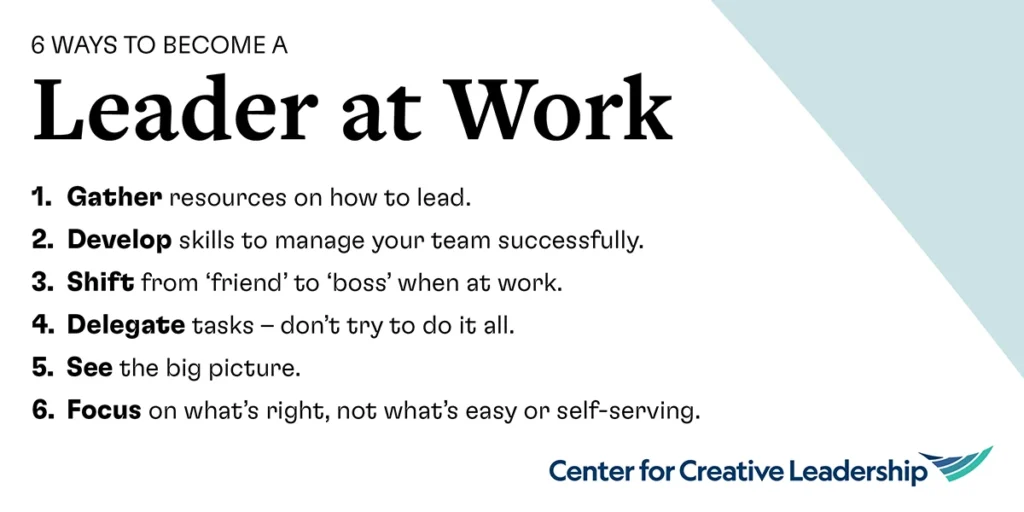
To guide new managers through this transformative phase, a clear framework of actionable principles is essential. These pillars, informed by extensive research and practical experience, offer a roadmap for developing the skills and mindset necessary to excel in leadership roles.
1. Embrace Continuous Learning and Resourcefulness
The most effective leaders are perpetual students. They understand that leadership is not a static destination but an ongoing journey of learning and refinement. For new managers, this means actively seeking out resources that illuminate the path ahead. This can include books, workshops, mentorship programs, and even informal learning opportunities. As highlighted in CCL’s seminal work, "Be the Boss Everyone Wants to Work For," successful managers cultivate an open approach to learning, driven by genuine interest rather than solely external validation.
Data from industry surveys consistently points to a correlation between a leader’s commitment to learning and their team’s performance. A report by LinkedIn Learning found that 70% of employees believe their manager’s ability to learn new skills directly impacts their own professional development. This underscores the ripple effect of a leader’s dedication to growth, creating a culture of continuous improvement within the team. The motivation for learning should stem from the inherent satisfaction of acquiring knowledge and the excitement of applying new insights, fostering a dynamic and engaging work environment.
2. Master the Art of Team Management
Transitioning to leadership necessitates the development of a distinct skillset focused on managing people, not just tasks. Relying solely on the technical expertise that secured a promotion can be a significant pitfall. Effective leaders actively work on their team management capabilities, which encompass a broad spectrum of competencies. These include:
- Effective Communication: Clearly articulating expectations, providing constructive feedback, and actively listening to team members.
- Motivation and Engagement: Understanding individual team members’ drivers and creating an environment that fosters enthusiasm and commitment.
- Conflict Resolution: Mediating disagreements and finding solutions that promote harmony and productivity.
- Performance Management: Setting clear goals, tracking progress, and providing support for development.
- Coaching and Development: Guiding team members to enhance their skills and reach their full potential.
Research from the Harvard Business Review indicates that managers who invest in developing these "soft skills" are twice as likely to have high-performing teams. Conversely, those who remain focused on their individual technical contributions often find themselves less effective in their new roles, struggling to inspire and guide their direct reports.

3. Navigate the "Friend to Boss" Transition with Clarity and Fairness
One of the most delicate aspects of becoming a manager is the shift in relationships with former peers. Colleagues who were once equals may now view the new manager differently, and the manager themselves must adapt to this altered dynamic. Successful first-time managers acknowledge this shift, setting clear expectations with their direct reports from the outset. This includes establishing professional boundaries while still fostering a positive and collaborative atmosphere.
Crucially, this transition requires a commitment to fairness and the avoidance of favoritism. Building strong, equitable relationships with all team members, even those with whom the manager may not have an immediate personal connection, is paramount. By clearly defining roles, responsibilities, and performance standards, and by diligently tracking individual progress, new managers can enhance team cohesion and ensure that everyone feels valued and supported. Ineffective leaders often falter here, struggling to move beyond personal relationships and instead focus on the professional bond with their team, leading to a perception of imbalance and undermining trust.
4. Embrace Delegation: Empowering Your Team for Collective Success
A common trap for new managers is the inclination to "do it all" themselves, believing their personal output remains the primary measure of their effectiveness. This mindset, however, stifles team growth and hinders overall productivity. Productive leaders understand the power of delegation. They set ambitious goals for their team members and provide both positive reinforcement and constructive feedback to facilitate their development.
The act of delegation is not merely about offloading tasks; it is a powerful expression of trust. When managers fail to delegate, they inadvertently convey a lack of confidence in their team’s abilities. This can lead to stagnation, decreased motivation, and a significant slowdown in project completion. Conversely, effective delegation empowers team members, fosters a sense of ownership, and allows the manager to focus on strategic initiatives. A 2022 survey by Gallup found that employees who feel their manager trusts them are 60% more likely to be engaged in their work. This trust, built through thoughtful delegation, is a cornerstone of high-performing teams.
5. Develop Strategic Vision: Seeing the Bigger Picture
The transition to management introduces a new perspective on organizational dynamics. New leaders move from being "outsiders" observing the company’s operations to "insiders" who are integral to its functioning. To be truly effective, they must embrace this shift and develop a keen awareness of the broader organizational context. This includes understanding company politics, stakeholder needs, and the intricate web of relationships that influence decision-making.
Successful managers are adept at gathering information about those around them—their colleagues, superiors, and key stakeholders. They observe behavior, assess situations, and learn to navigate complex interpersonal landscapes. Furthermore, it is crucial for new leaders to cultivate a broad perspective by engaging with diverse groups within the organization, seeking out new information and insights. This wider lens not only enhances their decision-making capabilities but also positions them for future growth and promotion. Research indicates that leaders with a broad perspective are more agile and better equipped to respond to market changes, contributing to long-term organizational success.
6. Uphold Integrity: Leading with Principle and Purpose
At the heart of admirable leadership lies a commitment to integrity. Leaders bear the profound responsibility of acting in ways that are right and beneficial for the organization and all its stakeholders. This means prioritizing ethical conduct over personal convenience or self-serving motives. Successful managers consistently evaluate the impact of their actions on their team, the organization, and the wider community.
Developing a strong moral code and adhering to it, especially in challenging circumstances, is essential. This involves resisting the temptation to let personal relationships, time pressures, or financial incentives compromise sound judgment. The development of integrity is an ongoing process, honed through consistent practice and reflection. New managers who embody integrity build deep and trusting relationships with their teams, fostering an environment of psychological safety and mutual respect. This unwavering commitment to ethical leadership not only propels their own career forward but also cultivates a legacy of trust and admiration.
The Road Ahead: Investing in Future Leaders
The journey of leadership development is not a solitary endeavor. Organizations play a crucial role in supporting their emerging leaders. Investing in comprehensive training programs, providing mentorship opportunities, and fostering a culture that values learning and growth are vital components of this support system. Programs like CCL’s "Boost™ for New Leaders" are designed to bridge the gap between individual contribution and effective management, offering practical tools and guidance for this critical transition.
By embracing these principles and committing to a path of continuous learning and ethical conduct, new managers can successfully navigate the complexities of their roles, transform their teams, and emerge as the admired leaders that organizations and employees alike seek. The evidence is clear: effective leadership is not an innate talent but a cultivated skill, essential for organizational resilience and sustained success in the dynamic global marketplace. The investment in developing these leaders today will undoubtedly yield dividends for years to come.