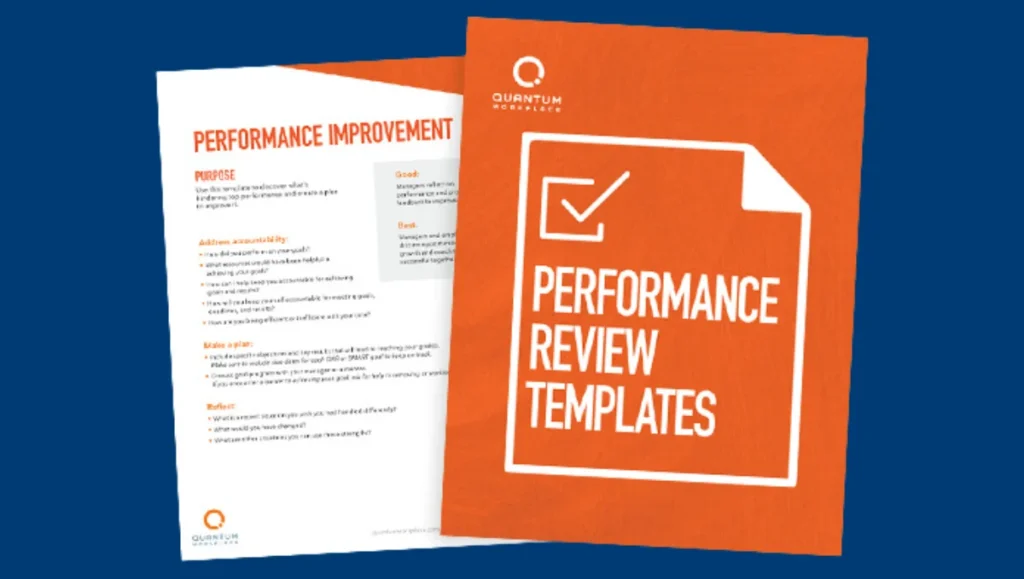
The annual performance review, often perceived as a dreaded corporate ritual, is undergoing a significant transformation. Far from being a mere bureaucratic formality or a backward-looking assessment, modern performance reviews are evolving into strategic conversations designed to foster employee growth, boost engagement, and ultimately drive organizational success. Updated on January 13, 2026, this shift emphasizes forward-looking dialogue, moving beyond past shortcomings to unlock future potential. This evolution is critical for enhancing retention, productivity, and overall morale, positioning performance reviews as a cornerstone of effective performance management programs.
The traditional performance review often conjures images of a sterile, checklist-driven process. However, forward-thinking organizations are recognizing its potential to be a catalyst for positive change. By reframing these discussions with insightful questions, leaders can move from merely assessing past performance to actively shaping future contributions. This approach transforms the review from an obligation into an opportunity, sparking conversations that propel momentum and facilitate the sharing of meaningful, actionable feedback. The goal is to create an environment where both managers and employees anticipate these discussions, valuing the insights gained for personal and professional development.
This paradigm shift requires a deliberate move away from questions that dwell on past missteps towards inquiries that illuminate potential and pave the way for future achievements. The objective is to equip HR leaders and managers with the tools to conduct reviews that are not just evaluative but also developmental. By implementing a set of well-crafted questions, organizations can foster a culture of continuous improvement, where performance reviews become a powerful engine for unlocking individual and team potential. This guide aims to provide a playbook for managers, enabling them to move beyond perfunctory assessments and instead craft conversations that map out a future as bright as their team’s ambitions.
Elevating the Impact of Employee Reviews
The outdated model of performance reviews, characterized by dry, checklist-style evaluations, is becoming obsolete. Organizations are now prioritizing the infusion of vitality into these critical conversations. By revolutionizing the review process with probing, insightful questions, companies are moving beyond simply ticking boxes. Instead, they are unlocking a treasure trove of insights that can shape an effective performance review culture. This culture thrives on constructive feedback and dialogues that push employees to reach their full potential, fostering an environment where growth is not an afterthought but a central tenet.
The strategic importance of these conversations cannot be overstated. In a competitive talent landscape, organizations that effectively leverage performance reviews to foster development and engagement are better positioned to attract and retain top talent. Data consistently shows a correlation between robust performance management practices and higher employee retention rates. For instance, a study by Quantum Workplace found that employees who have regular performance conversations with their managers are significantly more likely to be engaged and committed to their organizations. This underscores the imperative for a more dynamic and impactful approach to performance reviews.
The Manager’s Pivotal Role in Performance Reviews
Managers are no longer viewed solely as evaluators; they are now recognized as the architects of team success. Possessing an intimate understanding of their team’s dynamics and individual capabilities, managers hold the key to unlocking each member’s potential. Their primary mission is to establish clear performance goals, increase the frequency of feedback, and transform review time into a strategic dialogue centered on growth. This proactive approach ensures that formal sit-down reviews are not met with surprise but are instead opportunities for mutual exploration of strengths, constructive identification of areas for improvement, and open discussions about employee aspirations.
Effective managers act as coaches and mentors, guiding their team members through their development journeys. They understand that consistent feedback, delivered thoughtfully, is more impactful than a single annual assessment. By integrating performance discussions into the regular workflow, managers can preemptively address challenges and reinforce successes, making the formal review a summary and planning session rather than a moment of revelation. This consistent engagement builds trust and a sense of partnership, fostering an environment where employees feel supported and valued.
Transforming Standard Review Dialogue into Engaging Conversations
By aligning performance conversations with individual career ambitions, managers can cultivate a more engaging and personalized experience for every employee. This approach creates a space where open, honest exchanges are the norm, with the shared objective of not just reflecting on the past but co-creating a roadmap for the future. The impact on employee engagement can be profound.
Consider a typical, albeit less effective, review dialogue:
Standard Review Dialogue:
- Manager: "So, looking at your sales numbers, you’ve met the expected targets. That’s good. However, your client feedback scores need improvement. Try to work on that for the next quarter."
- Employee: "I understand. I’ll work on improving my client interactions."
In this scenario, the manager provides generic feedback without offering specific guidance or exploring the underlying reasons for the client feedback scores. The employee’s response is compliant but lacks genuine engagement or a clear understanding of how to improve.
Now, contrast this with an engaging and effective review dialogue:
Engaging and Effective Review Dialogue:

- Manager: "I’ve noticed you’ve hit your sales targets consistently, which is fantastic. What’s your secret to maintaining such steady performance?"
- Employee: "I think it’s about understanding the customer’s needs. But sometimes, it’s challenging to handle difficult clients."
- Manager: "I see, it sounds like you have a real strength in client understanding. How about we explore some advanced communication strategies to turn those challenging interactions into opportunities? I’d also love to hear about your career goals and how I can support you in reaching them."
- Employee: "That would be great! I’ve been thinking about leadership roles and how I could start preparing for that path."
- Manager: "Perfect, let’s outline some leadership development steps and see how we can align them with your daily work to give you exposure and experience in that area. How does that sound?"
- Employee: "Sounds like a plan. I’m excited to see where this can go."
This engaging dialogue begins by acknowledging and celebrating achievements. It then probes deeper, encouraging the employee to articulate their challenges and aspirations. The manager responds by offering concrete support and development opportunities, directly linking the employee’s growth to their career goals. This creates a forward-looking, collaborative discussion that fosters motivation and a sense of shared purpose. This approach not only identifies areas for improvement but also cultivates a proactive mindset, turning a routine review into a powerful development session.
Organizations that adopt this more dynamic approach often report higher employee satisfaction and a more committed workforce. The shift from a punitive or purely evaluative stance to a developmental and supportive one is crucial for long-term success. Resources like Quantum Workplace’s extensive library of over 170 performance review examples, phrases, and comments can be invaluable in helping organizations transform their review dialogues.
By recharging the review process, companies do more than just gauge performance; they spark a transformation that propels not only individuals but the entire team toward a horizon of shared success. This proactive and engaging approach can significantly impact employee retention, as individuals feel more connected to their work and their organization’s future.
The Art of Asking: Crafting the Right Performance Review Questions
Engagement levels in performance reviews can skyrocket when the right questions are posed. Effective questions serve as springboards for dynamic dialogue, enabling a deep dive into an individual’s daily victories, areas where targets may have been missed, and the underlying factors that contribute to their best work. These are not merely questions; they are tools for uncovering the narrative behind the data, sparking insights that can propel an employee’s growth trajectory.
The art of crafting these questions lies in their ability to encourage reflection, elicit honest self-assessment, and facilitate a collaborative problem-solving approach. Instead of simple yes/no inquiries, the most effective questions are open-ended, prompting detailed responses that reveal an employee’s thought processes, motivations, and challenges. This approach not only provides valuable feedback to the employee but also offers critical insights to the manager for targeted support and development.
Setting the Scene: Performance Review Questions on Overall Performance
Before delving into specific achievements or challenges, it’s essential to frame performance reviews with a broad perspective. This involves stepping back to view the entire landscape of an employee’s contributions and their overall satisfaction with their role and the organization. Starting with questions that capture this wider scope sets a positive and inclusive tone for the discussion.
Mediocre Questions:

- "Did you meet your goals this year?"
- "How was your performance overall?"
These questions are superficial and unlikely to elicit detailed or insightful responses. They offer little opportunity for reflection or nuanced discussion.
Great Questions:
- "Looking back at the past year, what do you consider your most significant contributions to the team and the company’s objectives?"
- "On a scale of 1 to 10, how satisfied are you with your role and your overall experience at the company this past year? What factors contribute to this rating?"
- "What aspects of your work have brought you the most fulfillment and energy?"
- "How do you feel your role has evolved over the past year, and what impact has that had on your work?"
These questions encourage employees to reflect on their accomplishments, their overall sentiment, and the drivers of their job satisfaction, providing a holistic view of their performance and engagement.
Unearthing the Gold: Performance Review Questions on Strengths & Challenges
The next critical area of inquiry focuses on an employee’s strengths and areas where they might encounter challenges. Strategic questioning here is designed to spotlight an employee’s resilience, resourcefulness, and their readiness to embrace opportunities for improvement. It’s about understanding what they do well and where they might need additional support or development.
Mediocre Questions:
- "What are you good at?"
- "What do you need to improve?"
These questions are too simplistic and can lead to superficial or guarded answers.
Great Questions:
- "What skills or abilities do you believe are your strongest assets in your current role, and how have you leveraged them effectively?"
- "Can you share an example of a time you faced a significant obstacle in your work? How did you overcome it, and what did you learn from the experience?"
- "In what areas do you feel you have the most potential for growth, and what steps have you already considered taking to develop these areas?"
- "What kind of tasks or projects energize you the most, and why do you think that is?"
- "If you could delegate one aspect of your current workload that you find particularly challenging, what would it be and why?"
These questions encourage employees to identify their core strengths, reflect on their problem-solving approaches, and proactively consider areas for development, fostering a growth mindset.
Looking Forward: Performance Review Questions on Future Outlook
Encouraging managers to shift their focus from the rearview mirror to a telescope is paramount. Future-focused questions transform a standard review into a launchpad for career trajectory and skill-building that benefits both the employee and the organization. They set the stage for discussions about future goals and development plans, ensuring that the performance review is a stepping stone towards continued progress.
Mediocre Questions:
- "What do you want to do next?"
- "Where do you see yourself in five years?"
These are common but often lack context and can feel abstract to employees.
Great Questions:
- "What are your aspirations for your career path within the company over the next 1-3 years?"
- "What new skills or knowledge would you like to acquire to prepare for future opportunities or challenges in your role or career?"
- "What kind of projects or responsibilities would excite you and allow you to contribute at a higher level in the future?"
- "What support or resources do you believe would be most beneficial in helping you achieve your professional goals?"
- "How do you envision your role evolving to meet the future needs of the team and the organization?"
These questions prompt employees to think strategically about their career development, identify skill gaps, and articulate their ambitions, allowing managers to align support and opportunities accordingly.
Getting Personal: Performance Review Questions for Individual Needs
Tailoring performance conversations to align with individual roles is akin to curating a personalized art gallery, where each piece requires a unique frame. Managers should craft questions that resonate with the specific demands of their team members’ daily tasks and tap into their personal career aspirations. This personalized approach ensures that each performance review contributes to an employee’s development, positioning them for success not only in their current role but also in advocating for their own career progression.
Mediocre Questions:
- "Do you need anything?"
- "Are you happy with your work?"
These questions are too broad and do not invite specific or actionable responses.
Great Questions:
- "What are the biggest roadblocks you face in your day-to-day work, and what solutions could we implement to remove them?"
- "Are there any tools, technologies, or training that would significantly enhance your efficiency and effectiveness in your current role?"
- "What aspects of your current responsibilities do you find most challenging, and how might we adjust or provide support to make them more manageable or even more rewarding?"
- "What are your personal career development goals, and how do you see your current role contributing to them?"
- "Is there a particular project or type of work that you feel would allow you to showcase your talents more effectively or develop a new skill you’re eager to explore?"
These questions acknowledge the individuality of each employee’s experience and needs, fostering a sense of being understood and supported.
Strengthening the Feedback Loop: Performance Review Questions for Continuous Growth
Cultivating a robust feedback loop in performance reviews is essential for nurturing a garden of continuous growth. Managers should be encouraged to foster a culture where feedback is an integral part of the daily workflow, a steady rhythm rather than an infrequent symphony. This consistent exchange ensures that development is an ongoing priority, not just an annual event.
Mediocre Questions:
- "Do you have any feedback for me?"
- "Was anything unclear about your goals?"
These questions are limited in scope and may not encourage comprehensive feedback.
Great Questions:
- "What is one thing I, as your manager, could do differently to better support your work and development?"
- "What are your thoughts on the feedback you’ve received throughout the year? Were there any surprises, or was it generally aligned with your self-perception?"
- "How can we better integrate continuous feedback into our team’s daily operations?"
- "What opportunities for learning or skill development have you identified through your work this past year?"
- "What are your suggestions for improving our team’s processes or collaboration to enhance overall effectiveness?"
These questions encourage a two-way flow of feedback, promoting transparency and a shared commitment to improvement. They also reinforce the manager-employee relationship, ensuring that development is a constant and collaborative effort.
Aligning the Stars: Performance Review Questions for Organizational Alignment
Connecting an employee’s daily efforts to the broader mission of the company is crucial for performance reviews. This involves helping each team member understand how their contributions align with the organization’s overarching goals, ensuring that every effort propels the company forward. These questions aim to weave individual aspirations with the company’s broader narrative, transforming the performance review into a collaborative exploration of alignment and impact.
Mediocre Questions:
- "Do you understand the company’s mission?"
- "Are you working towards company goals?"
These questions are too direct and don’t encourage deep reflection on how individual contributions fit into the larger picture.
Great Questions:
- "How do you see your current responsibilities and projects contributing to the company’s strategic objectives for this year?"
- "What aspects of our company culture do you find most motivating, and how do you actively contribute to upholding and enhancing it?"
- "Are there any initiatives or company-wide goals that you feel particularly passionate about, and how can we better leverage your enthusiasm and skills in those areas?"
- "In what ways do you believe your work directly impacts our customers or clients, and how can we further strengthen that connection?"
- "Considering the company’s long-term vision, what role do you see yourself playing in helping us achieve it?"
These questions help employees understand their significance within the larger organizational framework, fostering a sense of purpose and commitment. They encourage employees to think beyond their immediate tasks and consider their broader impact.
From Conversation to Action: Following Up on Performance Reviews
The journey does not conclude with the performance review conversation; it is merely the commencement of a new phase. Transforming the insights gleaned from these reviews into actionable steps is paramount. This involves outlining clear, achievable steps based on the discussions and establishing concrete timelines for performance review follow-up. This ensures that the momentum generated during the review propels tangible progress and sustained growth.
Accountability in this context is not a solitary endeavor but a partnership. Establishing robust support mechanisms, such as regular check-ins and providing necessary resources or training, reinforces the organization’s commitment to the employee’s development. This demonstrates that the organization is invested in turning aspirations into tangible achievements, fostering a culture of mutual responsibility and progress.
Fostering a Culture of Continuous Development
HR leaders play a pivotal role in nurturing an organizational culture where growth and learning are woven into the fabric of everyday operations. Encouraging a mindset that values ongoing development not only enhances individual careers but also enriches the organization as a whole. This commitment to continuous improvement is a hallmark of high-performing companies.
The conclusion of a performance review should not signify the end of the developmental conversation. Managers should be encouraged to maintain open lines of communication, fostering a dynamic environment where feedback and development discussions are an integral part of daily work life. This continuous dialogue ensures that development is an ongoing journey, not merely an annual event, creating a more agile and adaptable workforce.
How Quantum Workplace Can Help Streamline Performance Reviews
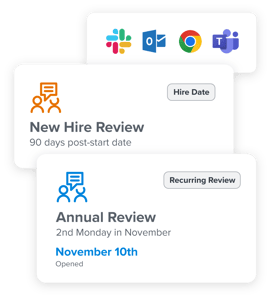
Performance conversations need not be arduous. Keeping managers and employees aligned requires tools that facilitate clear, objective, and engaging discussions. Quantum Workplace’s performance review software provides teams with reliable context, empowering them to conduct more objective and engaging conversations.
The platform offers several key benefits:
- Customizable Reviews: Organizations can easily tailor review modules to fit their specific culture and the diverse needs of various teams, ensuring that performance is measured against relevant criteria.
- Manager Development Support: The software integrates performance processes into existing workflows, making it easier for managers to coach for performance. Formal conversation cycles can be established to ensure the right frequency and consistency of touchpoints.
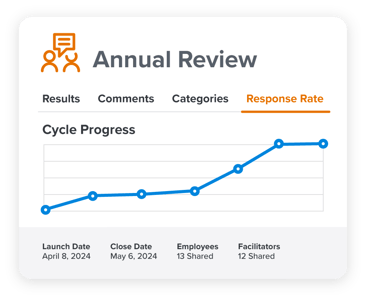
- Response Rate Tracking: Real-time monitoring of review cycle status helps teams stay accountable and allows for proactive engagement where needed.
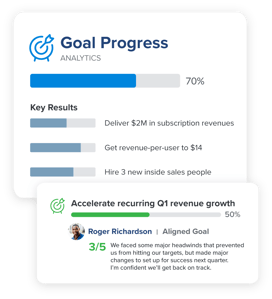
- Goal Integration: Performance goals can be seamlessly embedded into evaluations, enabling managers to have objective, effective, and growth-oriented conversations.
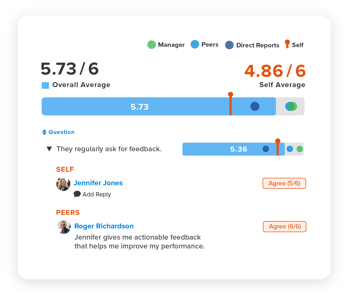
- Multi-Rater Feedback: The platform incorporates feedback from various sources, providing a comprehensive view that orients performance conversations around development.
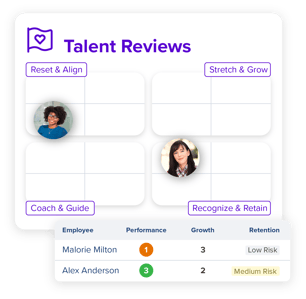
- Data Visualization and Alignment: A talent dashboard offers a comprehensive organizational view, enabling informed decisions about talent retention and development.
By leveraging such tools, organizations can transform their performance review processes, making them more effective, efficient, and engaging, ultimately driving better performance and fostering a culture of continuous improvement.
Conclusion
The journey through the art of asking the right questions, the importance of creating a conducive environment for feedback, the steps to translate conversation into action, and the significance of fostering a culture of continuous development are all integral components for cultivating a vibrant, engaged, and high-performing team. These elements serve as the seeds for growth, nurturing individual potential and collective success.
HR leaders are the sculptors of this new era of performance reviews. Equipped with the right tools and strategies, they can carve out a space where growth, feedback, and development are interwoven into the very DNA of the organization. By championing these practices, HR not only elevates individual careers but also propels the organization toward a future where continuous improvement and engagement are the norms, not the exceptions. This strategic approach to performance management is essential for navigating the complexities of the modern workplace and building a resilient, future-ready workforce.