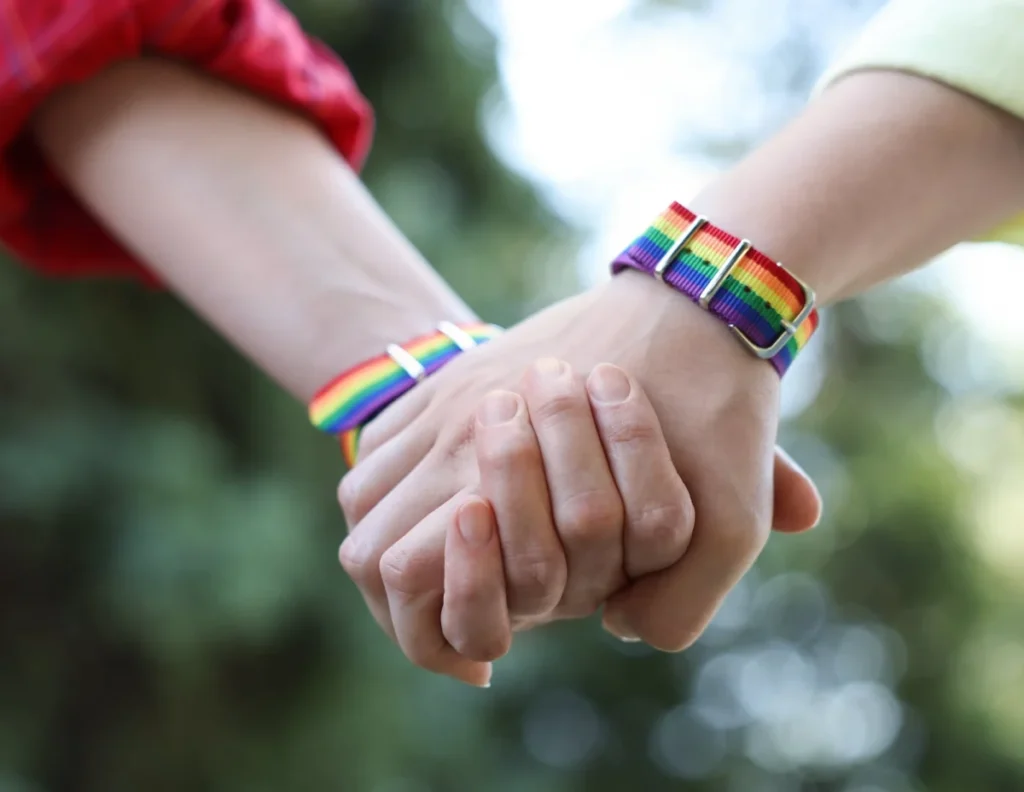
June marks Pride Month, a globally recognized observance dedicated to celebrating LGBTQIA+ (Lesbian, Gay, Bisexual, Transgender, Queer, Intersex, Asexual, and others) individuals and advocating for their rights and acceptance. While for many, Pride is a joyous occasion filled with parades and community events, for others, particularly those less familiar with its origins and purpose, it can evoke feelings of discomfort or uncertainty. This article aims to provide a comprehensive understanding of why Pride Month is celebrated, explore the historical context that shapes its importance, and address the reasons behind potential discomfort, offering pathways for education and allyship.
The Vital Importance of Pride Month: Saving Lives and Fostering Acceptance
The significance of Pride Month is deeply rooted in the ongoing struggle for equality and acceptance faced by the LGBTQIA+ community. The need for such an observance is starkly illuminated by contemporary data, particularly concerning the well-being of LGBTQIA+ youth. According to a 2023 survey by The Trevor Project, a leading organization focused on crisis intervention and suicide prevention for LGBTQIA+ young people, a staggering 41% of LGBTQIA+ youth seriously considered attempting suicide in the past year. Furthermore, the survey revealed that nearly 70% of LGBTQIA+ youth reported that their mental health was impacted by the lack of acceptance they experienced.
These statistics underscore a critical reality: mental health challenges within the LGBTQIA+ community, especially among young people, are not inherent conditions but rather a direct consequence of living in unaccepting environments. The lack of societal validation, discrimination, and stigma contribute significantly to increased rates of anxiety, depression, and suicidal ideation. In this context, the celebration of Pride Month transcends mere festivity; it represents a powerful demonstration of acceptance, support, and visibility. For LGBTQIA+ individuals, knowing they are seen, valued, and embraced can be a literal lifesaver, providing a crucial buffer against the detrimental effects of prejudice. The affirmation of their identities by friends, family, and society at large can foster resilience, improve mental well-being, and empower them to live authentically and without fear. This makes Pride Month an essential time for reinforcing the message that love and acceptance are fundamental human rights.
Historical Roots of Pride: From Rebellion to Celebration
The origins of Pride can be traced back to the Stonewall Uprising, a series of spontaneous demonstrations by members of the LGBTQIA+ community in response to a police raid that occurred in the early morning hours of June 28, 1969, at the Stonewall Inn in New York City’s Greenwich Village. The raid, like many others targeting gay bars at the time, was characterized by police harassment, brutality, and discriminatory practices. However, on this occasion, patrons, along with neighborhood residents, fought back. The ensuing days saw widespread protests and clashes with law enforcement, becoming a pivotal moment in the LGBTQIA+ rights movement.
The Stonewall Uprising is widely regarded as the catalyst for a more organized and visible fight for LGBTQIA+ rights in the United States and around the world. In the year following the uprising, the first Pride marches were held in several major U.S. cities, including New York, Los Angeles, and Chicago, commemorating the anniversary of the Stonewall Inn raid. These marches were not just celebrations; they were acts of defiance and demands for recognition and equality.
Over the decades, Pride celebrations have evolved significantly. What began as a protest against oppression has transformed into a multifaceted movement that includes not only marches and parades but also educational events, cultural festivals, and political advocacy. The rainbow flag, adopted as a symbol of LGBTQIA+ pride in 1978 by artist Gilbert Baker, has become an internationally recognized emblem of diversity and solidarity within the community. Today, Pride Month is observed globally, with millions participating in events that honor the past, celebrate the present, and advocate for a future where LGBTQIA+ individuals are fully accepted and protected.
Navigating Discomfort: Understanding Shifting Societal Norms
For some individuals, particularly those from older generations or those who did not grow up with explicit exposure to diverse gender identities and sexual orientations, Pride Month and the broader discourse around LGBTQIA+ rights can sometimes evoke feelings of discomfort or awkwardness. This discomfort often stems from a lack of familiarity and the rapid pace of societal change.
During the mid-to-late 20th century, when many members of Generation X and preceding generations were coming of age, discussions about gender identity and sexual orientation were largely absent from mainstream education and public discourse. The prevailing societal norms often presented a binary understanding of gender and heterosexuality as the default. Consequently, many individuals were raised without a framework for understanding or recognizing the diversity of human experience in terms of sexuality and gender.
The increased visibility and acceptance of LGBTQIA+ individuals in recent decades represent a significant cultural shift. This evolution in societal understanding means that concepts like gender fluidity, non-binary identities, and diverse family structures are becoming more prevalent and accepted. For those whose formative experiences did not include these concepts, the rapid integration of these ideas into public life can feel jarring or unfamiliar. It is important to recognize that this discomfort is not necessarily a reflection of animosity towards the LGBTQIA+ community, but rather a reaction to a changing social landscape.
Crucially, the increased understanding of gender and sexuality does not imply that these aspects of human identity are new phenomena. Historical and anthropological evidence consistently points to the existence of diverse sexual orientations and gender expressions across cultures and throughout history. The American Psychological Association, for instance, cites evidence of same-sex love and relationships in ancient civilizations such as Ancient Israel, Ancient Greece, and among various Native American tribes. Therefore, any perceived strangeness or unfamiliarity with LGBTQIA+ identities is more accurately attributed to historical gaps in education and societal awareness rather than a fundamental novelty of these identities themselves. Recognizing this historical continuity can help to alleviate discomfort and foster a more informed perspective.
Pathways to Education and Allyship
Bridging the gap in understanding and fostering genuine allyship requires a commitment to education and open-mindedness. For individuals seeking to better comprehend and support their LGBTQIA+ friends, family members, and colleagues, a variety of resources are available.
Educational Resources:
- Reputable LGBTQIA+ Organizations: Organizations such as GLAAD (Gay & Lesbian Alliance Against Defamation), The Human Rights Campaign (HRC), PFLAG (Parents, Families, and Friends of Lesbians and Gays), and The Trevor Project offer extensive resources, including educational materials, glossaries of terms, and guides on how to be an ally. These organizations provide accurate information and insights into the experiences of the LGBTQIA+ community.
- Academic and Historical Texts: Exploring books and academic articles on LGBTQIA+ history, sociology, and psychology can provide a deeper understanding of the community’s struggles, triumphs, and cultural contributions. Works that detail the history of LGBTQIA+ rights movements and explore diverse gender and sexual identities are particularly valuable.
- Documentaries and Media: Engaging with well-researched documentaries, films, and television series that authentically portray LGBTQIA+ lives and experiences can offer powerful and empathetic perspectives. It is important to seek out diverse narratives that go beyond stereotypes.
- Personal Stories and Testimonials: Listening to the lived experiences of LGBTQIA+ individuals through interviews, blogs, and personal accounts can be profoundly impactful. Direct testimonies offer authentic insights into the challenges and joys of navigating the world as an LGBTQIA+ person.
Engaging in Dialogue:
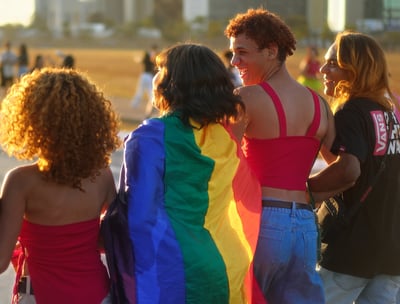
- Open and Respectful Conversations: Initiating conversations with LGBTQIA+ individuals in a respectful and open manner can be a valuable learning experience. Approaching these discussions with a willingness to listen and understand, rather than to debate or judge, is crucial. It is important to remember that individuals are not obligated to educate others, and their personal stories should be shared voluntarily and with respect for their boundaries.
- Attending Local Events: Participating in local Pride events, workshops, or panel discussions can offer direct engagement with the community and provide opportunities for learning and connection. These events often feature educational components and allow for informal interaction.
Practical Steps for Allyship:
- Use Inclusive Language: Employing inclusive language, such as using correct pronouns and avoiding assumptions about sexual orientation or gender identity, is a fundamental aspect of allyship. When in doubt, politely ask for an individual’s pronouns.
- Challenge Discrimination and Prejudice: Actively speak out against homophobic, biphobic, and transphobic remarks or actions when they occur, whether in personal interactions or in public spaces. Silence can be interpreted as complicity.
- Support LGBTQIA+ Rights: Advocate for policies and legislation that protect LGBTQIA+ rights and promote equality. This can involve contacting elected officials, signing petitions, or supporting organizations working on these issues.
- Educate Yourself Continuously: The understanding of gender and sexuality is an evolving field. Commit to ongoing learning and be open to revising your perspectives as you gain more knowledge.
The Broader Impact and Implications of Pride Month
Pride Month serves as a powerful reminder of the progress made in the fight for LGBTQIA+ equality, while also highlighting the persistent challenges that remain. The visibility and celebration associated with Pride Month have undeniably contributed to increased societal acceptance and legal protections for LGBTQIA+ individuals in many parts of the world. This has led to tangible improvements in areas such as marriage equality, anti-discrimination laws, and access to healthcare.
However, the global landscape for LGBTQIA+ rights remains complex and varied. While some nations have made significant strides, others continue to criminalize same-sex relationships and deny basic rights to LGBTQIA+ citizens. Even in countries with robust legal protections, discrimination, stigma, and violence against LGBTQIA+ individuals persist. The ongoing need for Pride Month underscores that the struggle for full equality and safety is far from over.
The implications of Pride Month extend beyond the LGBTQIA+ community itself. It fosters a more inclusive and accepting society for everyone, promoting values of diversity, respect, and human rights. By embracing and celebrating the diversity of human experience, societies become stronger, more resilient, and more equitable. The lessons learned from the LGBTQIA+ rights movement—about perseverance, solidarity, and the pursuit of justice—offer valuable insights for other social justice movements.
From the perspective of organizations and businesses, supporting Pride Month can be a strategic and ethical imperative. Demonstrating a commitment to diversity, equity, and inclusion not only aligns with contemporary values but can also enhance employee morale, attract diverse talent, and improve brand reputation. However, authentic support must go beyond symbolic gestures; it requires tangible actions, inclusive policies, and a genuine commitment to fostering an equitable environment for LGBTQIA+ employees and customers.
In conclusion, Pride Month is a vital observance with deep historical roots and profound contemporary significance. It is a time for celebration, remembrance, education, and advocacy. By understanding its importance, acknowledging its history, and actively engaging in pathways to education and allyship, individuals can contribute to a more inclusive and accepting world for all. The message of Pride—that everyone deserves to live authentically and be celebrated for who they are—resonates universally, and its continued observance is a testament to the ongoing journey toward a more just and equitable future.