
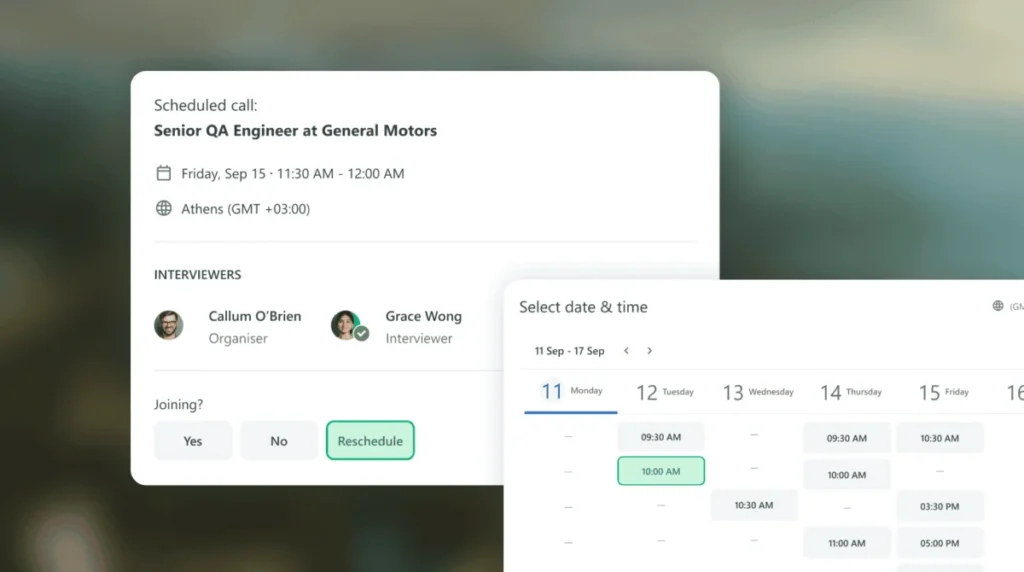
The modern landscape of talent acquisition, increasingly defined by candidate expectations for flexibility and respect, has received a significant boost with Workable’s announcement of its new candidate self-rescheduling feature. This pivotal update aims to eliminate one of the most persistent and frustrating bottlenecks in the hiring process: the complex and often protracted dance of interview scheduling and rescheduling. By empowering candidates to manage their interview times with a single click, Workable is addressing a critical pain point that has historically led to lost opportunities, administrative overhead, and a diminished candidate experience.
The Pervasive Challenge of Interview Scheduling Friction
For countless hiring managers and recruiters, the scenario is all too familiar: an interview invitation, meticulously aligned with team availability, is dispatched to a promising candidate. Yet, hours or even minutes before the scheduled meeting, an email arrives – an apology, an unforeseen conflict, a request to reschedule. What ensues is often a laborious exchange of emails, cross-referencing calendars, coordinating with multiple interviewers, and eventually, after days of back-and-forth, a new time is confirmed. This inefficiency is not merely an administrative nuisance; it carries significant strategic implications, impacting everything from time-to-hire to employer brand reputation.
Industry data consistently highlights the magnitude of this problem. A surprising statistic from Workable reveals that, on average, only 50% of initial interview requests successfully translate into booked meetings. This means that if a company extends interview invitations to 40 candidates from a pool of 200 applications, roughly half of those potential conversations—about 20 opportunities—are never actualized, often before any meaningful dialogue can even begin. This substantial attrition rate at a critical stage of the hiring funnel represents a tangible loss of potential talent and a significant drain on resources, both human and financial.
The root cause of this high attrition rate is often attributed to rigid scheduling workflows prevalent in many legacy systems. While these platforms have evolved to facilitate initial interview bookings, they frequently lack the agility required for modifications. When a candidate needs to reschedule, the typical workaround involves the recruiter generating an entirely new scheduling link, effectively restarting the entire process. This cumbersome approach not only consumes valuable recruiter time—estimated by some industry reports to be up to 15-20% of a recruiter’s week dedicated solely to coordination—but also introduces friction for candidates. In a highly competitive talent market, where candidates often have multiple options, such operational inefficiencies can quickly erode a positive employer brand and deter top talent.
Evolving Expectations: The Candidate-Centric Paradigm
The shift towards a candidate-centric hiring model has been accelerating for years, profoundly influenced by technological advancements, demographic changes, and recent global events that have normalized remote work and flexible arrangements. Today’s job seekers, particularly top-tier talent, expect a recruiting experience that mirrors the professionalism and autonomy they encounter in other aspects of their lives. They are not merely applicants; they are discerning consumers evaluating a potential employer as much as they are being evaluated.
Research across various industries consistently underscores the importance of respect and autonomy in shaping an exceptional candidate experience. When candidates are afforded the agency to manage their schedules, similar to how they would handle any other professional meeting, it conveys trust and value. Conversely, being subjected to rigid, one-way communication flows can create a perception of being "processed" rather than "partnered with," diminishing their engagement and enthusiasm. A recent LinkedIn survey indicated that 70% of professionals believe that a positive candidate experience makes them more likely to accept a job offer, while 65% would share their negative experiences with their network. This highlights the dual impact of candidate experience on both immediate hiring outcomes and long-term employer branding.
The consequences of a suboptimal candidate experience extend beyond individual hires. Companies with poor hiring processes risk reputational damage, increased time-to-hire, and ultimately, higher costs per hire. In a transparent digital age, online reviews on platforms like Glassdoor and social media can amplify negative experiences, making it harder to attract future talent. Therefore, investing in solutions that streamline and humanize the hiring journey is no longer a luxury but a strategic imperative for organizations aiming to secure a competitive edge in talent acquisition.
Workable’s Solution: Seamless Self-Rescheduling
Workable’s latest scheduling improvements directly address these challenges by fundamentally rethinking the rescheduling process. The headline feature allows candidates to reschedule their interviews with a single click. This elegant solution eliminates the need for protracted email threads, anxious waiting for responses, and the unspoken concern of inconveniencing hiring teams. Candidates simply access the original invitation link and choose a new time from the same pool of available slots initially provided by the hiring team, all without requiring any recruiter intervention.
This innovative approach is designed with intelligent "guardrails" to ensure both optimal candidate experience and operational efficiency for hiring teams. While the specific parameters were not detailed in the initial announcement, such advanced systems typically incorporate features like:
- Minimum Notice Period: Requiring candidates to reschedule with adequate lead time (e.g., 24 or 48 hours) to prevent last-minute cancellations that disrupt interviewer schedules and cause operational inefficiencies.
- Reschedule Limits: Setting a reasonable cap on the number of times a candidate can reschedule an interview to maintain process integrity and ensure timely progression through the hiring funnel.
- Real-time Calendar Sync: Ensuring that all available slots reflect the most current availability of interviewers, preventing double-bookings or offering times that are no longer viable due to unforeseen changes.
- Automated Notifications: Instant alerts to all relevant interviewers and hiring managers when a reschedule occurs, keeping everyone informed without manual intervention and ensuring all parties are updated.
- Configurable Permissions: Allowing hiring teams to set specific rules for different interview stages or roles, providing granular control and flexibility while maintaining consistency where needed.
In addition to the self-rescheduling capability, Workable has rolled out a suite of eight other improvements based on direct feedback from hiring teams. While these specific enhancements were not itemized, they collectively aim to further reduce friction and enhance the overall scheduling experience. These often include features such as enhanced calendar visibility for interviewers, improved customization options for notification templates, better integration with various communication platforms like Slack or Microsoft Teams, streamlined bulk scheduling options for high-volume roles, and more robust analytics on scheduling efficiency to identify and address bottlenecks. Such comprehensive updates underscore a commitment to continuous improvement and responsiveness to user needs, positioning Workable as a leader in intuitive HR technology.
The Strategic Implications for Hiring Teams
These advancements are more than just convenience features; they represent a fundamental shift in the power dynamic of recruiting, empowering both candidates and hiring teams in distinct yet complementary ways.
For Candidates: The self-rescheduling feature transforms the interview process into a more respectful and autonomous experience. Candidates are treated as trusted professionals capable of managing their own schedules, which fosters a sense of dignity and respect. This flexibility communicates a company culture that is modern, accommodating, and values their time from the very first interaction. In a candidate-driven market, this initial impression can be a decisive factor in attracting and retaining top talent. It also reduces stress and anxiety for candidates, allowing them to focus on preparing for the interview rather than navigating logistical hurdles, ultimately leading to better performance during the interview itself.
For Hiring Teams: The administrative burden associated with interview coordination is dramatically reduced. Recruiters and hiring managers are freed from the tedious "email ping-pong," manual calendar updates, and the frustrating task of chasing down unresponsive candidates or deciphering why a promising applicant "ghosted" an interview. This reclaimed time can be redirected towards more strategic activities, such as proactive candidate sourcing, deeper engagement with promising applicants, improving interview quality, or fostering internal talent development initiatives. A study by Glassdoor estimated that the average company spends 23 days to hire a new employee, with much of that time consumed by administrative tasks. Streamlining scheduling directly contributes to reducing this cycle, making the entire recruitment engine more agile.
For Hiring Metrics: The impact is measurable and significant, contributing directly to an organization’s bottom line and strategic objectives. Companies utilizing such features can anticipate:
- Faster Time-to-Fill: By removing scheduling bottlenecks, the entire recruitment cycle is accelerated, allowing critical roles to be filled more quickly, minimizing productivity gaps and associated costs.
- Higher Show Rates: Empowering candidates to easily adjust their schedules reduces no-shows and last-minute cancellations, leading to more interviews actually taking place and a more efficient use of interviewer time.
- Improved Candidate Satisfaction Scores: A smoother, more respectful experience translates directly into higher satisfaction, enhancing employer brand, encouraging positive referrals, and creating a robust talent pipeline.
- Reduced Cost-per-Hire: Less administrative time, fewer lost opportunities, and faster hiring cycles all contribute to a more cost-effective recruitment process, allowing resources to be allocated more strategically.
- Enhanced Diversity and Inclusion: Flexibility in scheduling can be particularly beneficial for candidates who may have childcare responsibilities, other employment commitments, or live in different time zones. By accommodating diverse needs, companies can broaden their talent pool, leading to a more inclusive and representative workforce.
The Broader Context: Why This Matters Now
The traditional recruiting model, which often placed all power squarely on the company’s side, dictating interview times and methods, is increasingly outdated and ineffective. In today’s dynamic talent market, the best candidates are not passively waiting for opportunities; they are actively evaluating companies based on every interaction. Every touchpoint, from the initial application to the final offer, contributes to their perception of a company’s culture and values.
When companies offer candidates the autonomy to manage their interview schedules, it sends a clear and powerful message: their time is valued, their professionalism is trusted, and they will be treated with respect from the outset. This isn’t merely a matter of good recruiting practice; it’s a fundamental aspect of good business strategy. Companies that prioritize candidate experience are better positioned to attract, engage, and ultimately secure top talent in a fiercely competitive environment. This reflects a broader trend in HR technology, where platforms are evolving to be more intelligent, intuitive, and human-centric, moving beyond mere administrative functions to truly enable strategic talent management and foster meaningful connections.
Moreover, the rapid global adoption of remote and hybrid work models has made flexible scheduling an even greater necessity. Candidates applying for roles from different geographical locations or those juggling existing work commitments benefit immensely from the ability to find interview slots that genuinely fit their lives. This adaptability is key to accessing a wider, more diverse talent pool, which is crucial for innovation, sustained growth, and resilience in an increasingly interconnected global economy. Industry analysts often point to such self-service capabilities as a hallmark of modern, forward-thinking HR ecosystems.
Implementation and Future Outlook
The candidate self-rescheduling feature is now available to all Workable customers utilizing Google or Microsoft Calendar integrations, ensuring broad accessibility across a vast user base. A key benefit of this rollout is its seamless integration into existing workflows, requiring no disruptive changes to current operational practices. Current scheduling links remain active, allowing hiring teams to adopt the new functionality at their own pace, ensuring a smooth and controlled transition without any forced overhaul. This phased and non-intrusive implementation strategy reflects Workable’s commitment to user experience and operational continuity, minimizing any potential disruption.
These updates are a testament to the power of continuous feedback loops between technology providers and their user base. They highlight that even seemingly small changes in the interview process, when thoughtfully implemented and backed by robust technology, can yield profound improvements in efficiency, candidate satisfaction, and overall hiring outcomes. The ongoing evolution of scheduling tools is a vital component of the broader HR technology landscape, consistently striving to remove obstacles and enable more meaningful connections between companies and talent.
Ultimately, thoughtful hiring technology should serve to remove administrative burdens, not create them. When the scheduling process operates smoothly and intuitively, hiring teams can shift their focus from tedious logistical coordination to the more critical task of engaging in substantive conversations with the right candidates. This strategic redirection of effort is where true value is created in talent acquisition, fostering stronger hires, cultivating a positive employer brand, and ultimately building more resilient and successful organizations.






