Last week, enterprise software giant SAP unveiled a comprehensive artificial intelligence architecture, a move CEO Christian Klein heralded as fundamentally transforming the company into an AI-centric organization. Dubbed "The Autonomous Enterprise," this announcement represents a significant strategic pivot for SAP, building upon years of investment in AI technologies like Joule and advanced data layers. The new framework aims to integrate AI at the core of business processes, promising enhanced efficiency and intelligence across the entire enterprise.
A New Era for SAP: Defining The Autonomous Enterprise
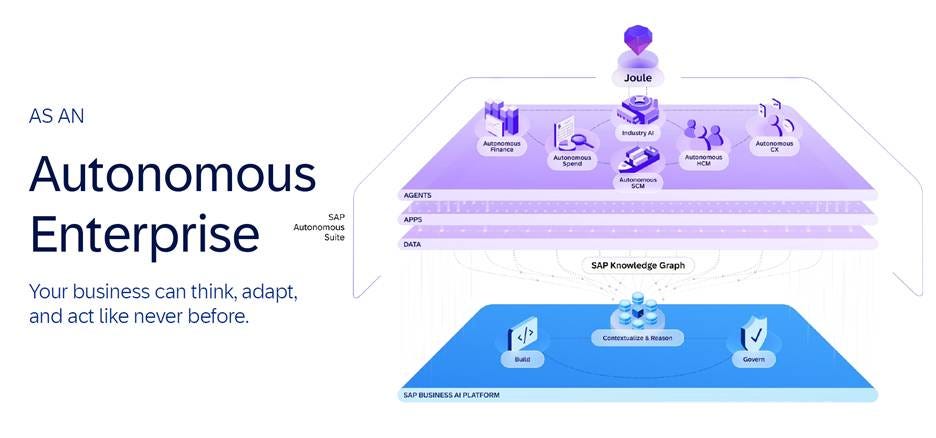
The Autonomous Enterprise framework is built on three key pillars: a unified AI platform for developing, contextualizing, and governing intelligent agents; an autonomous suite designed to execute core business operations with minimal human intervention; and a reimagined user experience that redefines how professionals interact with enterprise software. This ambitious vision, as articulated by Christian Klein, CEO of SAP SE, aims to usher in an era where business systems proactively identify and address inefficiencies.

"The Autonomous Enterprise includes a unified AI platform for building, contextualizing and governing agents, an autonomous suite that executes core business operations and a new user experience that redefines how people work with enterprise software," Klein stated during the announcement. This initiative is the culmination of over three years of dedicated research and development, signifying SAP’s commitment to embedding AI deeply within its product portfolio, which spans a vast array of business functions.
Contextualizing SAP’s ERP Dominance
To fully appreciate the scope of SAP’s announcement, it’s crucial to understand its position as a leading provider of Enterprise Resource Planning (ERP) systems. Unlike some competitors focused on specific business domains, SAP’s core strength lies in its comprehensive ERP solutions, which manage an extensive range of business resources. This includes financial management, human capital, inventory and parts tracking, in-process manufacturing, procurement, supplier and vendor relations, and contingent labor management.
With over 25 industry-specific editions, SAP systems offer unparalleled visibility into the entire business lifecycle. For instance, a pharmaceutical company using SAP can trace a product from its sale back through its entire supply chain – identifying the original seller, support providers, contract details, assembly locations and times, component suppliers, and the nature of supplier relationships. This "end-to-end" capability, often assembled through strategic acquisitions, enables diverse industries such as automotive, consumer goods, airlines, energy, healthcare, and telecommunications to manage complex value chains, revenue streams, costs, and profitability.
This deep integration allows for sophisticated querying of business data. A user could, for example, inquire about a decline in profit margins for a specific product group in a particular region. Traditionally, answering such a question would require extensive data analysis by teams of professionals. SAP’s new AI architecture, powered by its autonomous capabilities, aims to automate this process. The AI, through its copilot interface like Joule, can analyze the complex interplay of factors – such as rising supplier prices, increased shipping costs, or fluctuations in raw material commodities – to pinpoint the root cause, often identifying specific suppliers as the primary contributor to the profit margin decline. This marks a significant leap from traditional business intelligence to proactive, intelligent problem-solving.
The "Autonomous Enterprise" Concept: Automation and Beyond
The central theme of "autonomous" operations, while potent, has sparked debate regarding its precise meaning. SAP’s vision suggests a future where systems can operate with reduced human oversight, automatically detecting and rectifying suboptimal performance. This ambition is reflected in the introduction of over 224 announced agents, many focused on automating these complex business processes.
In the Human Capital Management (HCM) sector alone, SAP has introduced a range of specialized agents. These agents, while varying in their scope and naming conventions, are designed to address specific operational challenges. For instance, in HR, questions regarding team underperformance might be explored through the lens of leadership effectiveness, training efficacy, team tenure, or market dynamics. Historically, "skills" were often seen as the universal solution, but SAP’s AI approach aims to identify more nuanced causes, such as weak leadership, misaligned teams, or inefficient business processes. This shifts the focus from simply identifying problems to understanding the complex optimization challenges inherent in human capital operations.
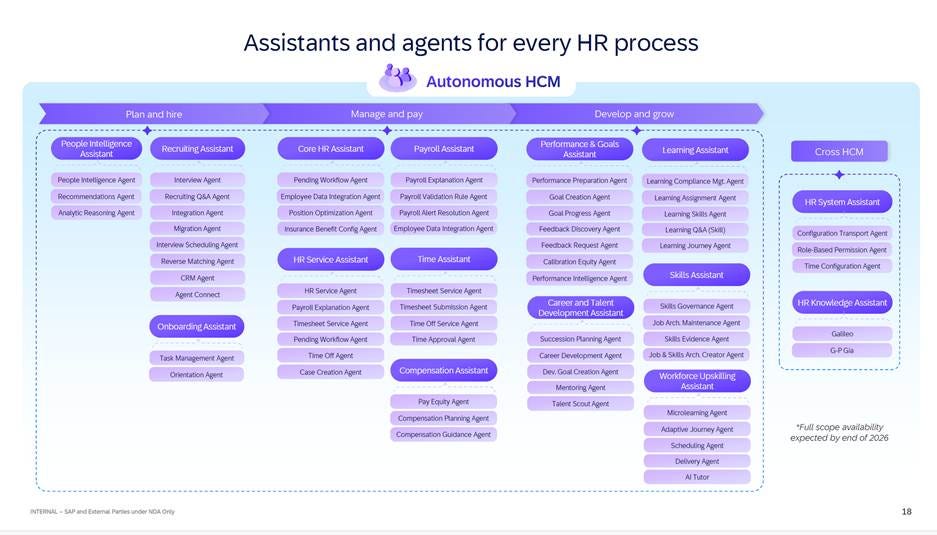
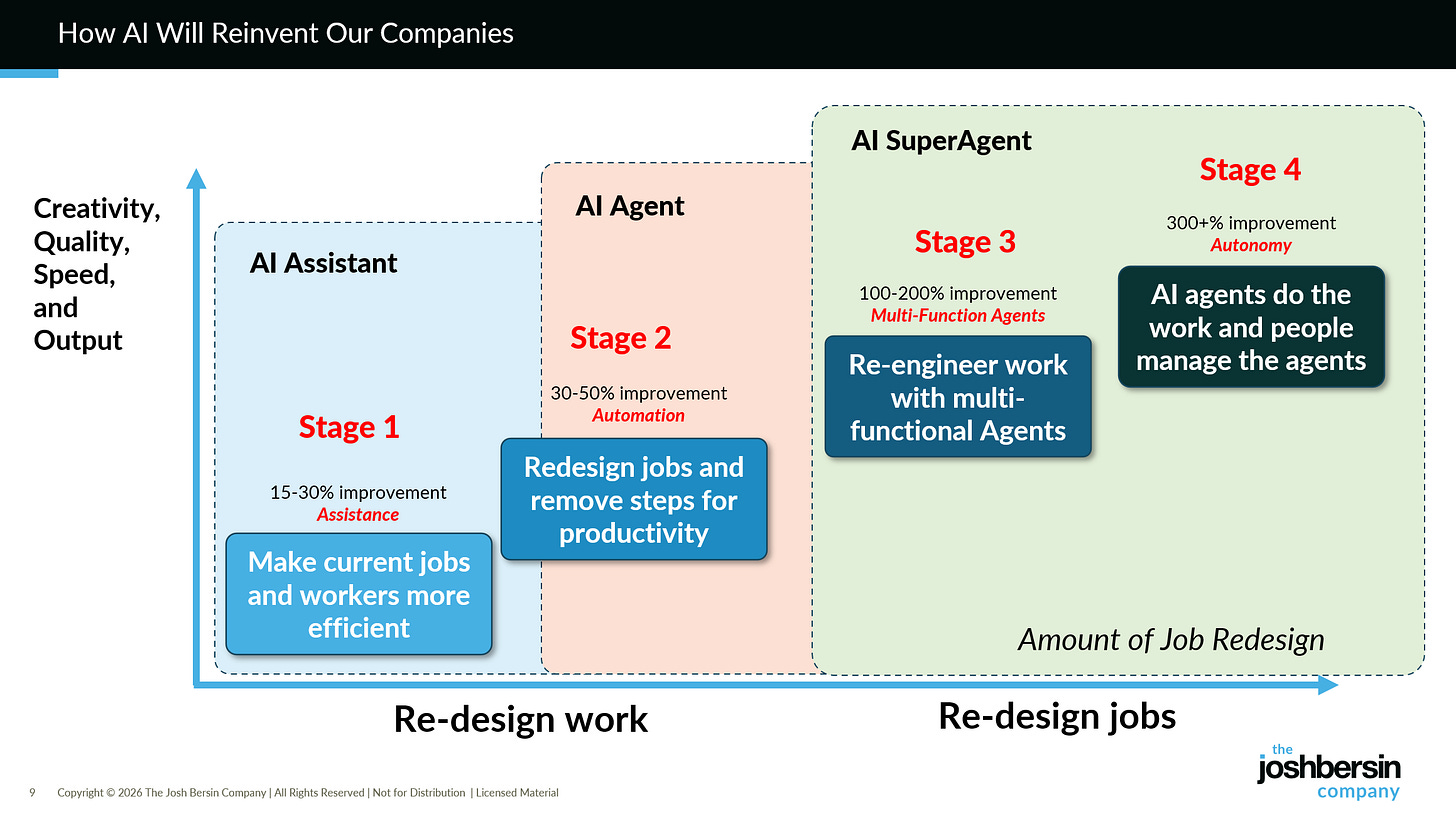
The distinction between automating existing processes and fundamentally redesigning them is a critical one in the field of enterprise AI. SAP’s current offerings appear to heavily emphasize automation – streamlining tasks that were previously time-consuming and manual. This is a logical first step, given the complexity of existing SAP systems. For example, in SuccessFactors, demonstrations have highlighted automation in payroll, a notoriously error-prone and intricate process, and in employee development. These automations involve identifying and rectifying errors, generating alerts, creating personalized development materials, and targeting employees for upskilling.
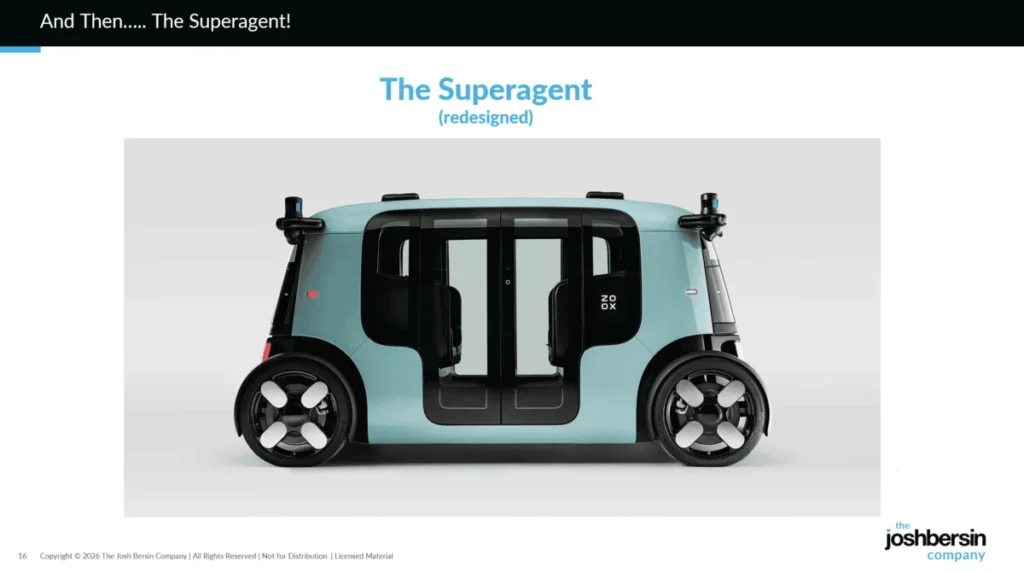
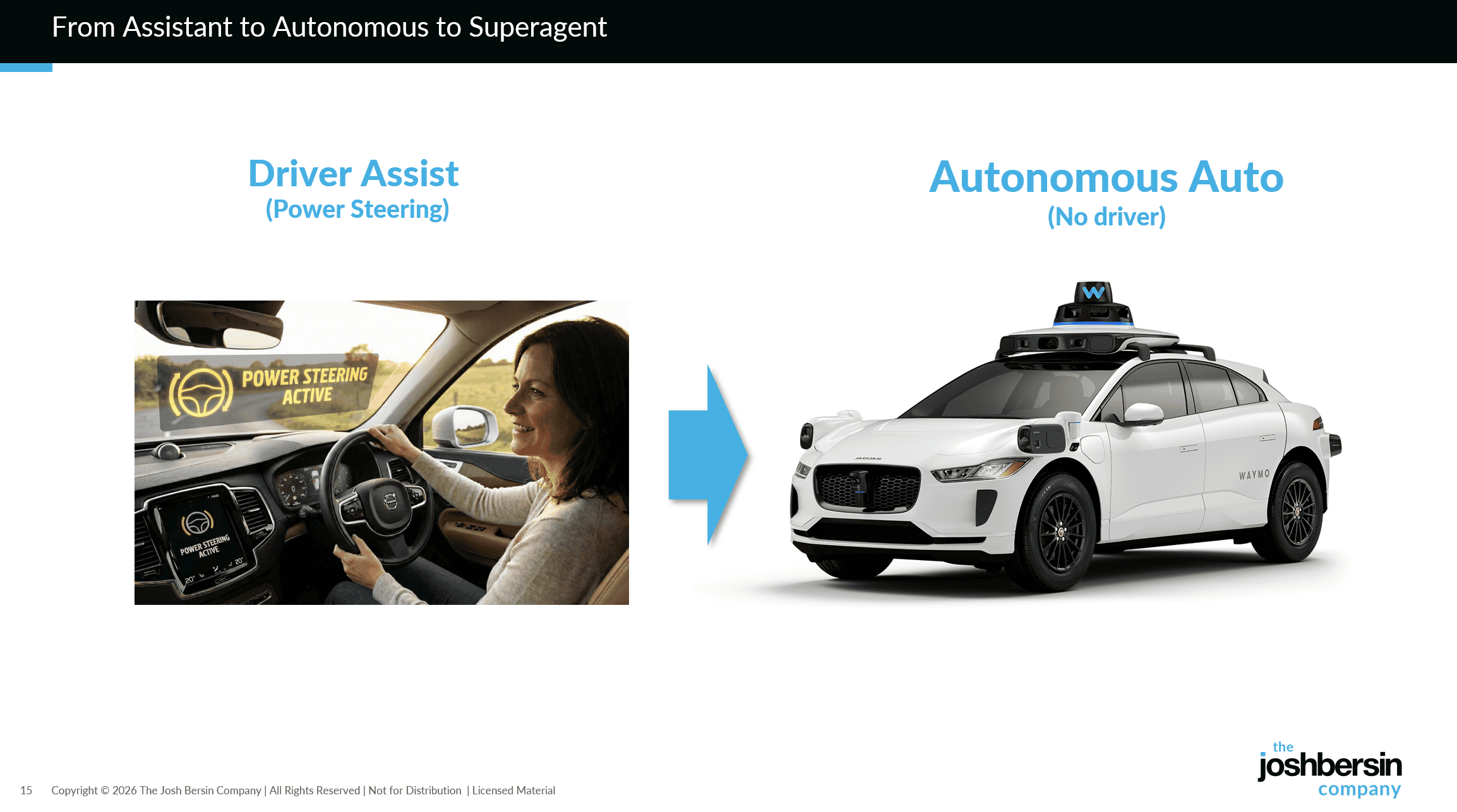
However, the deeper potential of AI lies in process redesign. The author draws an analogy to autonomous vehicles: Waymo, which retrofits existing cars to drive themselves, versus Zoox, which reimagines the automobile for an optimal passenger experience. SAP’s current announcement positions it more as a "Waymo" – enhancing the efficiency of existing SAP systems rather than a complete re-imagining of enterprise operations. While this automation provides immediate value by making complex systems more manageable, the long-term vision for AI often involves more radical transformation.
Under the Hood: The Technological Foundation
SAP’s Autonomous Enterprise is underpinned by a sophisticated technological architecture. A prominent feature is a "blue AI layer" that incorporates a data fabric and numerous AI models. A key innovation within this layer is the SAP-proprietary tabular data model, SAP-RPT-1.5. This model is specifically optimized for analyzing and modeling tabular data, which forms the bedrock of most business software. Unlike general-purpose Large Language Models (LLMs) that can sometimes struggle with structured data, SAP-RPT-1.5 is designed to efficiently process and analyze massive tables, enabling users to discover, evaluate, model, and perform "what-if" analyses on complex, real-time business data. A public playground for this technology is available, inviting data professionals to explore its capabilities.
Central to this architecture is the SAP Knowledge Graph. This component acts as the "brain" of the system, mapping the thousands of business entities, structures, and rules inherent in SAP systems into a semantic layer that AI agents can understand and interact with. When a user poses a query, whether a simple request for "family leave for my new baby" or a more complex business question, the Knowledge Graph translates it into specific functional context queries, enabling the AI to retrieve the relevant data, information, or policy. This semantic understanding is crucial for enabling natural language interactions with complex enterprise systems. The integration of Galileo, an intelligence layer that acts as an HR, human capital, and leadership advisor, further enhances this capability, leveraging the Knowledge Graph and Joule.
On the user interface and development front, Joule, SAP’s copilot, plays a pivotal role. Initially launched as a transactional chatbot, Joule has evolved significantly. The new Joule Studio is presented as an enterprise-grade development tool, rather than a simple coding environment. It empowers IT teams and SAP developers to design, build, test, integrate, and manage a wide range of agents, from simple to highly complex. This robust development environment allows for the creation of custom agents that can potentially "redesign SAP" from within the Joule interface. For instance, a company could build a highly personalized onboarding system that reflects specific employee options, role pathways, and first-year development plans, going beyond SAP’s standard onboarding agent.
Scalability and Interoperability
SAP’s approach emphasizes both internal integration and external interoperability. Similar to platforms offered by competitors like ServiceNow and Workday, SAP allows for access to data and functionality from non-SAP systems. This means that agents developed within the SAP ecosystem can interact with other enterprise applications, and non-SAP agents can be managed through SAP’s agent management system. While ServiceNow offers an "agent platform that lives beyond SAP," and Workday focuses on a "platform for agents," SAP aims to provide both – a comprehensive development environment for SAP-specific data and modules through Joule Studio, while also supporting broader interoperability.

For end-users, Joule serves as the primary interface, akin to Workday’s Sana or ServiceNow’s Otto. Employees, managers, and administrators can interact with Joule to perform tasks and ask questions, making the complex SAP suite more accessible and user-friendly.
The Significance of "Big Memory" and AI Governance
A noteworthy aspect of SAP’s announcement is the concept of building massive context windows to store an entire "company memory." This refers to the AI models’ ability to retain and utilize a comprehensive dataset of operational knowledge, encompassing customers, products, processes, rules, and even documents and emails. This "company corpus" can then be leveraged for continuous analysis, modeling, and improvement.
This concept aligns with the idea of a "company model" where AI can directly identify contributing factors to performance gaps by accessing this accumulated knowledge. Such a model, whether built on LLMs, tabular models, or a hybrid approach, could uncover operational best practices that might otherwise remain undocumented or only known through tribal knowledge. For example, an AI could identify patterns in how sales teams engage senior executives for support, highlighting effective strategies that could be disseminated more widely. This deep integration of operational knowledge is a significant benefit of coupling AI with robust ERP systems.
Recognizing the potential risks associated with autonomous agents, SAP, along with Workday and ServiceNow, is prioritizing AI governance. The introduction of the AI Agent Hub provides a management system for these agents, ensuring adherence to rules, data policies, security protocols, and operating limits. This hub supports non-SAP agents and includes tools for managing agent consumption, verification, data connectivity, and coordination. A critical challenge in this domain is agent-to-agent communication. For instance, an HR agent delivering personalized training should ideally coordinate with agents responsible for development planning, performance management, and employee work monitoring to ensure a cohesive and effective employee experience.
SAP’s AI Identity: A Strategic Reimagining
In response to market anxieties about disruptive startups and the potential obsolescence of established enterprise software, SAP CEO Christian Klein, mirroring sentiments from Workday’s Aneel Bhusri, asserts that a significant overhaul of existing systems by new technologies is not imminent. Instead, SAP, alongside other legacy players like Oracle, is focused on re-engineering its decades of research and development to transform its ERP and HCM systems into AI-powered applications.
The objective is not to discard existing investments but to leverage AI to drive cross-domain process innovation, enhance customer and employee experiences, and create smarter, more responsive business systems. By building "Superagents" within platforms like Joule, companies can achieve these goals without abandoning their foundational SAP infrastructure. This strategic approach is expected to benefit various departments, providing specialized assistants for finance (close, controlling), procurement (sourcing, buying), supply chain (delivery), HR (recruiting, career development), and customer-facing functions (sales, service, marketing).
This strategy underpins Christian Klein’s assertion that SAP is now an AI company. The vision is to make software less visible by embedding its execution into intelligent agents that operate seamlessly across the entire suite. This shift means users will interact less with static workflows and more with systems that can decide, recommend, escalate, and act autonomously. This evolution is also expected to influence SAP’s financial model, moving towards consumption-based and outcome-driven pricing rather than solely relying on seat licenses.
The author posits that this strategy is likely to succeed. While competitors may aim to build entirely new systems from scratch, the deep industry knowledge, extensive customer investment, and decades of accumulated business intelligence within SAP remain invaluable. This new AI strategy is poised to reinvigorate SAP’s growth and relevance in the rapidly evolving enterprise technology landscape. The ongoing developments in this space will be closely watched.