
The modern workplace is characterized by a complex web of competing demands, placing Human Resources leaders at the epicenter of a constant balancing act. Organizations are increasingly finding themselves at an impasse, caught in a structural tension where achieving business objectives can seem to come at the expense of employee well-being, and vice versa. This paradox, where the drive for speed clashes with the need for clarity, the demand for future-ready talent conflicts with employees’ desire for meaningful growth, and the pursuit of sustained performance is juxtaposed with employees’ need to feel their contributions are recognized, is creating significant friction. This article explores the core challenges HR professionals face and proposes a framework for cultivating environments where both business success and employee fulfillment can coexist and thrive.
The fundamental challenge for HR leaders today is the inherent tension between what businesses require and what employees desire. Businesses are driven by the imperative of speed in an increasingly dynamic market. This translates into a need for rapid decision-making, agile execution, and a workforce capable of adapting quickly to change. Conversely, employees are seeking clarity in their roles, a clear understanding of their career trajectories, and a sense of purpose and growth that resonates with their personal aspirations. The struggle lies in optimizing for one without detrimentally impacting the other, a predicament that often leads to stalled strategies and disengaged workforces.
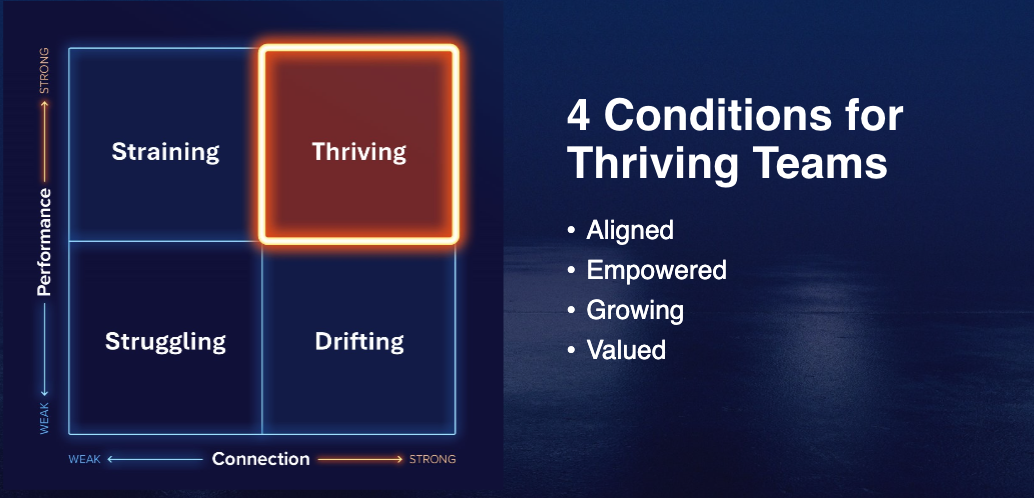
The Framework for Thriving Teams: Performance and Connection
At its core, a thriving team is defined not by prioritizing either performance or connection, but by achieving a robust balance of both. Organizations that excel in performance but lack genuine connection risk burnout and employee attrition, as individuals feel like cogs in a machine rather than valued contributors. Conversely, teams that foster strong connections but underperform may drift, lacking the clear direction and accountability needed to achieve strategic objectives. Neither scenario is sustainable in the long term.

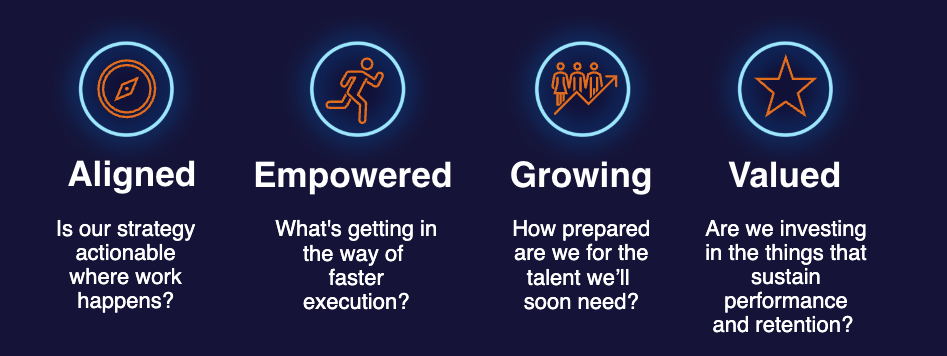
Quantum Workplace, a leading provider of employee engagement solutions, has identified four critical conditions that underpin thriving teams: Aligned, Empowered, Growing, and Valued. Each of these conditions directly addresses a persistent tension that HR leaders are actively managing. By posing specific diagnostic questions, organizations can move beyond simply acknowledging these tensions to actively building the conditions that allow both business and employee needs to be met simultaneously.
The Four Pillars of a Thriving Workforce: Diagnostic Questions for HR Leaders
The path to creating a high-performing and engaged workforce lies in HR’s ability to critically assess and address these four core areas. This involves moving beyond superficial fixes and delving into the underlying structural issues that prevent true synergy between organizational goals and employee aspirations.
1. Alignment: Is Our Strategy Actionable Where Work Happens?
The Tension: Organizations demand speed; employees require clarity.
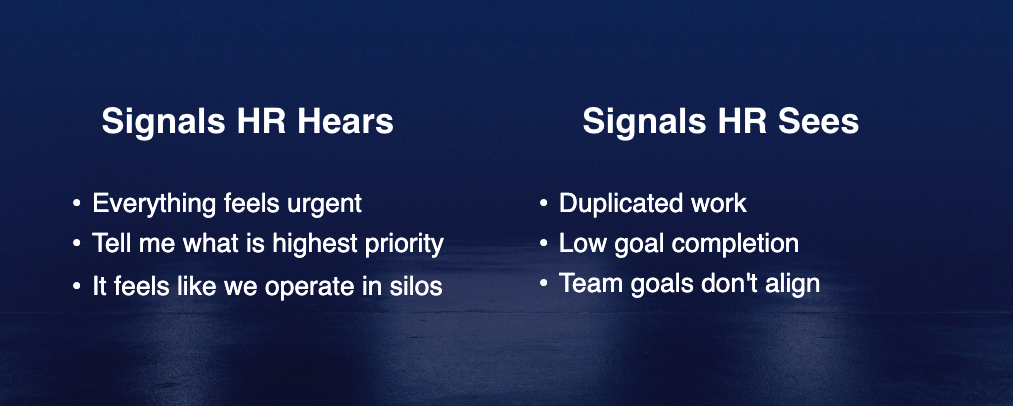
In contemporary organizations, the pursuit of speed is paramount. Market pressures, competitive landscapes, and technological advancements necessitate rapid responses and agile operations. This often translates into strategic imperatives that, if not effectively communicated and embedded, can leave employees feeling adrift. The lack of clarity around strategic priorities, the prevalence of siloed operations, and the constant barrage of urgent tasks can lead to duplicated efforts, low goal completion rates, and a disconnect between individual or team objectives and the overarching organizational strategy.
The diagnostic question HR leaders must confront is not merely whether employees are aware of the company’s strategy, but whether this clarity is consistent across different performance levels. When solid performers lack strategic clarity, it presents a clear coaching opportunity for managers to bridge that gap. However, when even top performers are unclear about the direction, it signals a systemic organizational problem that transcends individual managerial capabilities.
Furthermore, a deeper diagnostic question revolves around the sense of accountability. Do teams genuinely feel they are contributing to the strategy, or does it feel like an imposed directive? Analyzing survey responses can reveal whether employees are truly integrated into the strategic fabric or have quietly disengaged. Crucially, these responses can be segmented to correlate with other key outcomes like engagement scores and turnover risk, providing a tangible understanding of the cost associated with misalignment.
Data Insights and Implications: Research consistently shows a strong correlation between strategic clarity and employee performance. A study by the Harvard Business Review found that companies with highly engaged employees are 21% more profitable. This engagement is directly fueled by a clear understanding of how individual work contributes to larger organizational goals. When employees understand the "why" behind their tasks, their motivation and productivity increase significantly. Conversely, a lack of clarity can lead to wasted resources and a perception that efforts are not impactful, ultimately hindering both speed and sustained performance.
What Action Looks Like:
- Cascading Communication: Implementing robust communication channels that ensure strategic objectives are translated into clear, actionable goals at every level of the organization.
- Goal Integration: Utilizing performance management systems that clearly link individual and team goals to broader company objectives, fostering a sense of shared purpose.
- Manager Enablement: Equipping managers with the tools and training to effectively articulate the strategy and its relevance to their team’s daily work.
- Feedback Loops: Establishing regular feedback mechanisms to ensure employees understand their progress and how their contributions are impacting strategic outcomes.
2. Empowerment: What’s Hindering Faster Execution?
The Tension: Organizations require faster execution; employees need fewer barriers.
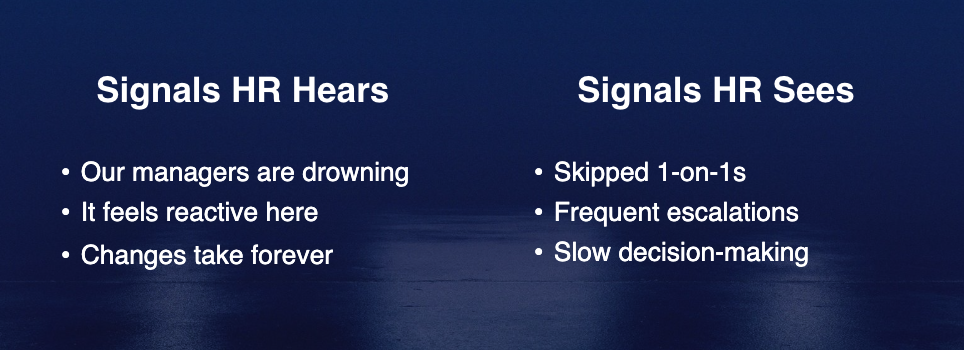
The imperative for faster execution is a recurring theme for businesses striving to remain competitive. This often manifests as a need to streamline processes, accelerate decision-making, and increase operational agility. However, this drive can inadvertently create a landscape where employees encounter numerous obstacles and bureaucratic hurdles, impeding their ability to perform efficiently. Signals of this tension include managers feeling overwhelmed, a pervasive sense of reactivity, and decisions that linger far longer than necessary, impacting project timelines and overall productivity.
Data analysis can reveal the specific barriers to execution. For instance, connecting business Key Performance Indicators (KPIs) like on-time delivery with employee feedback can uncover surprising insights. In one organization, the primary barrier to on-time delivery was not a lack of materials or equipment, but rather the adoption of new AI technologies. This highlights how specific, often counterintuitive, operational challenges can be identified by integrating cross-system data.
A particularly critical, and often overlooked, aspect of empowerment is the manager experience. Data from various organizations reveal a significant disparity between managers and non-managers regarding key indicators of engagement and support. For example, a recent survey might show that only 57% of managers feel recognized for their contributions, compared to 87% of non-managers. Similarly, managers often report lower clarity on how their performance is measured, their understanding of their role in the organization’s future, and opportunities for skill development. This "manager experience gap" is a structural issue; managers cannot effectively empower their teams if they themselves do not feel empowered.
Data Insights and Implications: The "manager experience gap" has profound implications. Managers are the primary conduits for translating organizational strategy into day-to-day actions for their teams. When managers are disengaged or feel unsupported, this negativity can cascade downwards, impacting team morale, productivity, and retention. A study by Gallup indicated that managers account for at least 70% of the variance in employee engagement scores. Addressing the empowerment of managers is therefore not just about their well-being, but a strategic imperative for overall organizational performance.
What Action Looks Like:
- Process Optimization: Regularly reviewing and streamlining workflows and approval processes to remove unnecessary bottlenecks and empower employees to make decisions at the lowest possible level.
- Manager Training and Support: Investing in comprehensive training programs for managers that focus on leadership skills, delegation, decision-making authority, and providing constructive feedback.
- Resource Allocation: Ensuring that teams have the necessary tools, resources, and technological support to execute their tasks efficiently.
- Empowerment Audits: Conducting regular audits of managerial roles and responsibilities to identify areas where autonomy and decision-making authority can be enhanced.
3. Growth: How Prepared Are We for the Talent We’ll Soon Need?
The Tension: Organizations require future-ready talent; employees desire meaningful growth.
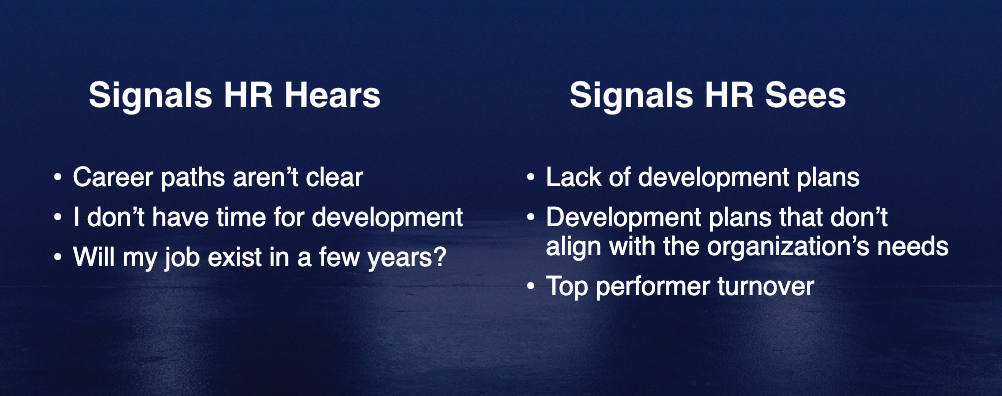
The future of work is characterized by constant evolution, driven by technological advancements, shifting market demands, and the emergence of new industries. Organizations must proactively cultivate a workforce that possesses the skills and adaptability needed to navigate these changes. However, many employees feel that career paths are opaque, opportunities for development are scarce, and there’s a fundamental uncertainty about the longevity of their current roles. This creates a disconnect between the organization’s strategic need for future-ready talent and the individual’s desire for personal and professional development that offers security and relevance.
The most insightful diagnostic question in this domain is not simply whether development plans exist, but whether they are actively utilized and intrinsically linked to an employee’s day-to-day experience. A documented growth plan that remains on a shelf serves little purpose. Conversely, a stretch project that directly builds the skills crucial for the organization’s future success transforms development from a perfunctory exercise into a strategic advantage.
Succession planning data, when integrated with employee feedback, offers another critical layer of insight. By analyzing candidate status alongside survey responses, organizations can determine if they are intentionally developing the talent most critical for their future or relying on assumptions. This data can also be flipped to assess the effectiveness of current leaders. When a candidate for a leadership role receives feedback from their team about their ability to foster growth and development, it provides a more accurate picture of their leadership capabilities than traditional performance metrics alone.
Data Insights and Implications: The World Economic Forum’s "Future of Jobs Report" consistently highlights the growing skills gap. In 2023, it was estimated that 50% of all employees will need reskilling by 2025. Organizations that fail to invest in continuous learning and development risk a significant deficit in critical skills, impacting their ability to innovate, adapt, and remain competitive. Furthermore, employees who feel stagnant in their roles are more likely to seek opportunities elsewhere, leading to increased turnover and the loss of institutional knowledge.
What Action Looks Like:
- Skills Gap Analysis: Conducting regular analyses of current and future skill requirements to identify critical talent needs and inform development strategies.
- Embedded Development: Integrating learning and development opportunities into daily work through project assignments, cross-functional collaborations, and mentorship programs.
- Transparent Career Paths: Creating clear and accessible career pathing frameworks that outline opportunities for advancement and the skills required for progression.
- Strategic Succession Planning: Developing robust succession plans that identify high-potential employees and provide them with targeted development experiences to prepare them for future leadership roles.
4. Value: Are We Reinforcing What Matters Most?
The Tension: Organizations require sustained performance; employees want to feel valued.
Sustained performance is the bedrock of long-term business success. However, achieving this requires a workforce that feels recognized and appreciated for its contributions. The feedback often heard from employees includes sentiments like "I’m expected to do more, but my compensation hasn’t kept pace," "It feels like some roles are valued more than others," and "Leaders seem to prioritize profit above all else." These perceptions, when reflected in data, often correlate with inconsistent recognition practices across teams and high turnover among critical talent.
The most impactful diagnostic question reframes recognition as a financial imperative rather than solely a cultural initiative. When turnover is driven by employees feeling undervalued, recognition becomes a direct factor in retention and, consequently, a significant cost-saving measure. Connecting retention risk data directly to recognition metrics can demonstrate the tangible financial impact of a lack of perceived value.
It is also crucial to recognize that feeling valued is not exclusive to top performers. Solid contributors, who often form the largest segment of any organization, also need to feel that their impact is significant. Recognition programs that exclusively target high achievers miss a substantial portion of the workforce. By integrating talent reviews or performance ratings with employee feedback, organizations can gain a clearer understanding of whether their recognition efforts are equitably distributed and genuinely impactful across the entire employee base.
Data Insights and Implications: Employee recognition is a powerful driver of engagement and retention. A study by O.C. Tanner found that 63% of employees reported that they are unlikely to leave their job if they are recognized frequently. Conversely, a lack of recognition can lead to disengagement, reduced productivity, and increased voluntary turnover. The cost of replacing an employee can range from half to twice their annual salary, making effective recognition programs a strategic investment in talent retention and sustained performance.
What Action Looks Like:
- Holistic Recognition Programs: Designing recognition programs that acknowledge contributions at all levels and across all performance tiers, not just for exceptional achievements.
- Performance-Based Rewards: Linking recognition and rewards directly to measurable contributions and alignment with organizational goals.
- Fair Compensation Practices: Ensuring that compensation structures are competitive, equitable, and transparent, reflecting the value employees bring to the organization.
- Managerial Recognition Training: Equipping managers with the skills to provide timely, specific, and meaningful recognition to their team members.
Conclusion: Building Conditions for Shared Success
The four tensions—Alignment, Empowerment, Growth, and Value—may present themselves differently, but they share a common underlying structure: the perceived opposition between business needs and employee desires, with HR often caught in the middle. The instinctive response is to choose a side, to prioritize one over the other. However, a more effective and sustainable approach is to cultivate the conditions where both can flourish concurrently.
Teams that are Aligned, Empowered, Growing, and Valued are not a compromise; they represent the foundation of sustainable business performance. HR’s role is not to personally solve every conflict, but to guide organizations in asking and answering more intelligent questions, fostering an environment where these dual demands can be met.
The right talent platform can be instrumental in this endeavor. By connecting insights from engagement, performance, development, and recognition into a unified view, such platforms empower every leader, from HR professionals to frontline managers, with the clarity and confidence to act decisively on what truly matters. The data to address these critical questions already exists within most organizations; the challenge lies in connecting it and leveraging it to build a workforce that is not only productive but also deeply engaged and fulfilled. This is the future of work, and it begins with HR’s commitment to fostering environments where every employee can thrive.