Building a robust culture of recognition has become an increasingly critical imperative for organizations worldwide, with compelling data underscoring its profound impact on employee engagement, retention, and overall business performance. Far from being a mere perk, consistent appreciation is emerging as a foundational element of a thriving workplace, yet recent trends reveal a troubling "recognition gap" that threatens organizational health. According to the latest State of Recognition Report, the frequency of employee appreciation is in sharp decline, with weekly recognition plummeting by 10% in just one year. Manager-led recognition, a cornerstone of employee development and motivation, has also seen a significant drop, sliding from 20% to a concerning 15%. These statistics, while seemingly modest on paper, translate into a palpable shift in the employee experience, fostering environments where individuals may feel unseen, undervalued, and questioning the significance of their contributions.
The Unseen Cost of a Devalued Workforce: Understanding the Recognition Gap
The widening recognition gap represents a silent crisis in the modern workplace, with profound implications for organizational culture and strategic objectives. This isn’t merely about employees feeling "nice"; it directly impacts their sense of belonging, purpose, and motivation. When recognition is sparse or poorly executed, it erodes trust, diminishes psychological safety, and ultimately disengages the workforce. The problem extends beyond everyday interactions; even moments specifically designed for appreciation are failing to resonate. The Engagement and Retention Report highlights a stark reality: only 25% of employees feel genuinely appreciated during events like Employee Appreciation Day or Week—occasions that should be guaranteed morale boosters. This disconnect underscores a fundamental flaw in many existing recognition strategies, revealing that generic or infrequent gestures are largely ineffective.
The significance of this gap cannot be overstated. Recognition serves as one of the clearest and most powerful behavioral signals an organization can send. When an employee is acknowledged for a specific action, there is an 85% likelihood they will repeat that behavior. This positive reinforcement loop is crucial for aligning individual actions with organizational values and goals. Conversely, when recognition is absent, this alignment quickly dissipates, and the organizational culture risks drifting in an undesirable direction. In an era characterized by the "Great Resignation," "quiet quitting," and a fierce competition for talent, the failure to cultivate a culture of appreciation translates into tangible costs: increased turnover, decreased productivity, diminished innovation, and a damaged employer brand. Employees are increasingly seeking workplaces where they feel respected and valued, making genuine recognition a key differentiator in attracting and retaining top talent. The long-term implications include a workforce less invested in company success and more prone to seeking opportunities elsewhere, thereby exacerbating talent shortages and increasing recruitment expenses.
A Case Study in Cultural Transformation: Campbell’s Journey to Appreciation
While the recognition gap presents a formidable challenge, leading organizations are demonstrating that it is surmountable through strategic, intentional efforts. The Campbell’s Company, a global food industry giant with a rich history, stands out as a prime example of successful cultural transformation through renewed focus on employee recognition. Following a period marked by significant cultural disruption and the arrival of a new CEO committed to fostering positive change, it became evident that their existing recognition program was inadequate. The foundational elements for a strong, cohesive culture were present, but a critical ingredient—consistent, meaningful appreciation—was missing.
Campbell’s faced several distinct challenges in their pre-transformation phase. Their previous recognition efforts were often sporadic, lacked integration into daily workflows, and struggled to achieve widespread visibility. Managers and employees alike found the existing system cumbersome, leading to low participation rates and a general perception that recognition was an infrequent, often token, gesture rather than a core cultural pillar. The absence of a unified, accessible platform meant that cross-functional or peer-to-peer appreciation was difficult to facilitate, leaving many valuable contributions unacknowledged. The "cultural disruption" alluded to likely involved challenges typical of large, established corporations undergoing strategic shifts, such as adapting to new market demands, integrating acquisitions, or navigating changes in leadership philosophy, all of which can strain employee morale and create a sense of uncertainty. The new CEO’s desire for change provided the necessary impetus to re-evaluate fundamental aspects of the employee experience, with recognition identified as a critical lever for cultural revitalization.
To effectively bridge this recognition gap, Campbell’s embarked on a strategic partnership with Achievers, a leader in employee recognition solutions. The core objective was to make recognition effortless, highly visible, and seamlessly integrated into the fabric of everyday work. Their implementation strategy was multifaceted: they established a network of dedicated onsite champions to advocate for and facilitate recognition, rolled out engaging and memorable communication campaigns to build excitement and educate employees, and leveraged the Achievers platform to spark appreciation beyond isolated events. Crucially, they focused on nurturing a continuous culture of appreciation, ensuring that recognition wasn’t confined to Employee Appreciation Week but extended to the days leading up to it and those that followed, embedding it as an ongoing practice.
The results of Campbell’s initiative were swift and impressive. Adoption of the new program soared immediately, with over 6,000 recognitions sent within the first month alone. This initial surge was not a fleeting trend; recognition became a significantly more prominent and consistent aspect of how Campbell’s supported and celebrated its people. The success demonstrated that a consistent, well-supported approach to appreciation can indeed be "souper powerful," transforming a previously underperforming system into a vibrant cultural engine. Kathryn Rider, AVP of Benefits at The Campbell’s Company, encapsulated this success, stating, "If you make it easy and you embed it into the way people work, versus making it something extra stand alone or separate, it will start to just become part of your culture and the way we work." Campbell’s story serves as a compelling testament to what can be achieved when organizations move beyond superficial gestures and make a genuine, strategic investment in their people and culture.

Strategic Imperatives for Cultivating a Culture of Appreciation
Inspired by success stories like Campbell’s, organizations can proactively build their own thriving cultures of recognition. This requires a deliberate, multi-pronged approach that integrates best practices into the core of HR and leadership strategies.
-
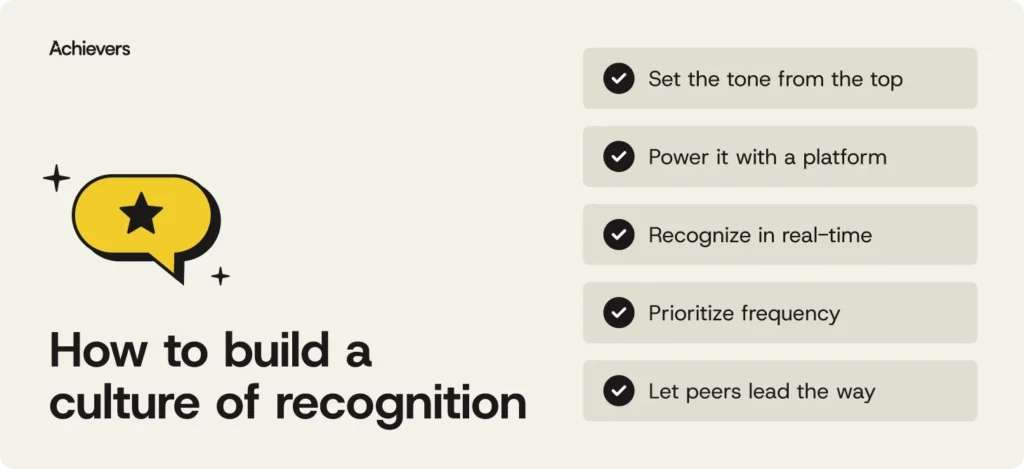
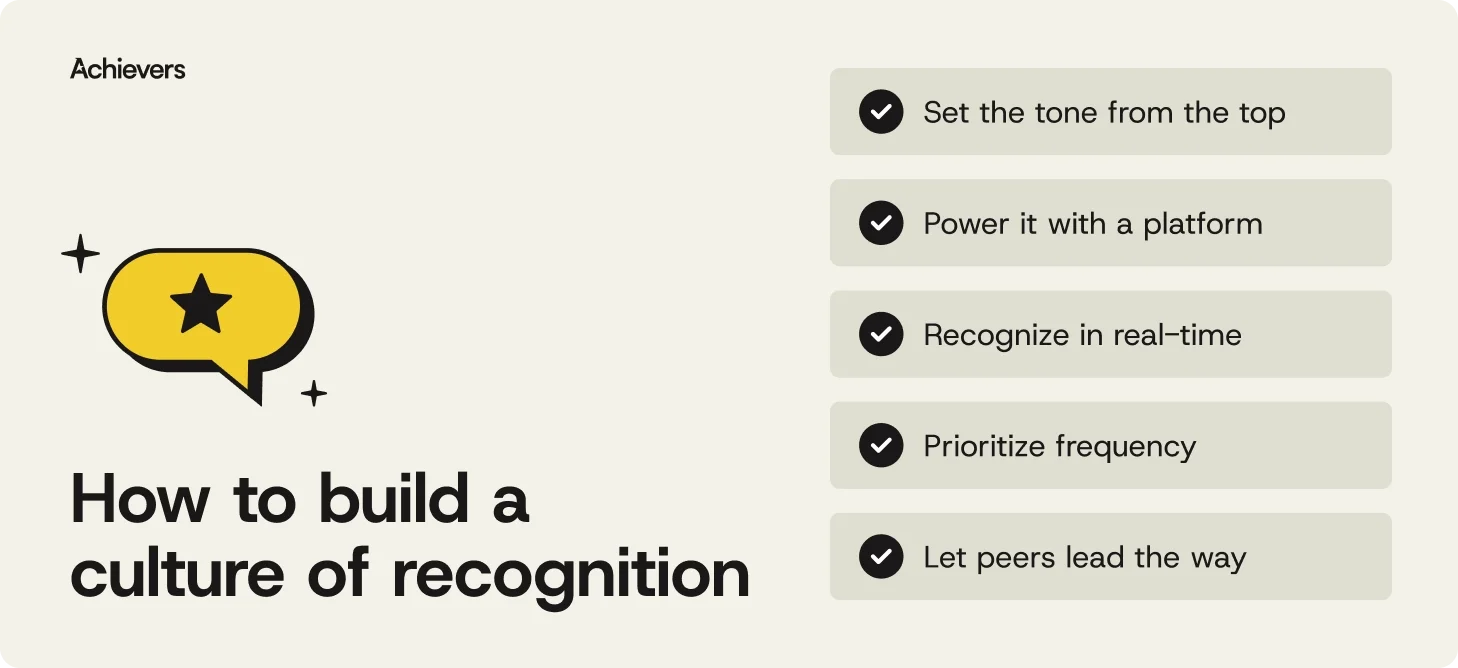
Make Recognition Visible at Every Level of Leadership: Leadership endorsement is paramount. When executives and managers consistently model appreciative behaviors and visibly recognize contributions, they establish recognition as an organizational norm. Employees keenly observe leader actions more than words. Visible recognition from the top signals that appreciation is an integral, expected component of workplace culture, fostering a trickle-down effect that permeates all levels. This also builds trust and demonstrates that leadership is connected to the daily efforts of the workforce.
-
Support Recognition with the Right Technology: The scalability and efficiency of a recognition program hinge on robust technological infrastructure. Without a dedicated platform, recognition often remains sporadic, difficult to track, and unevenly distributed. A specialized employee recognition platform offers an intuitive, centralized system for employees to acknowledge colleagues across diverse teams, geographical locations, and work schedules. When selecting technology, prioritize platforms that integrate seamlessly with existing HRIS and HCM tools, support a diverse range of meaningful rewards, and provide administrators and managers with real-time data on participation rates and engagement trends, allowing for continuous program optimization.
-
Deliver Recognition as Close to the Moment as Possible: The impact of recognition is significantly amplified when it is delivered promptly after the commendable action occurs. Immediate feedback reinforces the desired behavior more effectively than delayed acknowledgment. Crucially, specificity enhances impact. Instead of generic praise like "great job," articulate precisely what the employee did, how it aligns with company values or objectives, and the positive difference it made. Clear, specific recognition not only reinforces positive actions but also helps employees understand their direct contribution to team and business goals, fostering a stronger sense of purpose.
-
Make Recognition a Frequent Habit: Infrequent recognition diminishes its power. To truly embed appreciation into the organizational DNA, it must become a consistent, ongoing practice. Research from the Achievers Workforce Institute demonstrates a strong correlation between frequent, meaningful recognition and engagement: 91% of employees who receive meaningful recognition at least monthly report being highly engaged. This highlights that consistency is not just beneficial, but foundational to sustained employee engagement and motivation. A culture where appreciation is a frequent habit creates a continuous cycle of positive reinforcement.
-
Enable Peer-to-Peer Recognition: Managers cannot be the sole arbiters of recognition. Coworkers often have direct visibility into collaborative efforts, innovative problem-solving, and instances of extra effort that might escape a manager’s immediate attention. Empowering peer-to-peer recognition—through dedicated peer recognition software—helps bring these valuable contributions to light. This is particularly vital in remote and hybrid work environments, where informal, in-person appreciation opportunities are naturally limited. Peer recognition fosters a more inclusive and interconnected workplace, building stronger team bonds and a collective sense of shared success.
-
Give Employees Choice in How They Are Recognized: To maximize the impact and relevance of recognition, it should be personalized. What one employee values, another might not. Some individuals thrive on public acknowledgment, while others prefer private appreciation. This principle extends to rewards. Flexible, points-based reward systems are highly effective as they allow employees to select rewards that hold personal meaning and value to them, ranging from gift cards to experiential rewards, thereby increasing the perceived value and motivational power of the recognition itself.
-
Connect Recognition to Business Priorities: For recognition to be truly strategic, it must be explicitly linked to company values, team objectives, or broader strategic goals. This connection helps employees understand how their individual efforts directly contribute to organizational success, fostering a clearer sense of purpose and impact. By recognizing behaviors that exemplify core values or drive key performance indicators, leaders can effectively reinforce what matters most to the business, ensuring that recognition fuels the desired culture and strategic direction.
-
Build Inclusion into Your Recognition Strategy: An inclusive recognition strategy ensures that every employee feels seen, valued, and appreciated, regardless of their role, location, tenure, or work style. Programs that inadvertently favor highly visible roles or individuals can create feelings of exclusion and unfairness among others who contribute significantly. Designing recognition programs to be accessible and equitable for all employees is crucial for fostering a truly connected and psychologically safe workplace, where diversity of thought and contribution is celebrated across the board.
-
Reinforce Recognition Across the Employee Experience: Recognition should not be confined to a single program or platform; it must be woven throughout the entire employee experience to become a consistent workplace habit. HR and people leaders should actively reinforce appreciative behaviors in team meetings, during one-on-one conversations, within onboarding processes, and as a core component of performance discussions. The more consistently employees encounter and witness recognition in various contexts, the more deeply it becomes embedded in daily behavior and the overall company culture.
-
Embed Recognition into Existing Programs: To ensure high participation and reduce friction, recognition should be seamlessly integrated into the flow of daily work. Employees are far more likely to recognize colleagues when the process is simple and requires minimal effort or additional steps. Integrating recognition capabilities into tools that employees already use regularly—such as communication platforms like Slack and Microsoft Teams, email clients like Outlook, or HR management systems like Workday—removes barriers and makes delivering appreciation effortless and instantaneous.
-
Measure, Refine, and Improve: A successful recognition strategy is not static; it evolves based on continuous feedback and data analysis. Regular measurement, refinement, and improvement are essential to ensure the program remains aligned with employee needs and business objectives. Tracking key metrics such as participation rates, the frequency of recognition, the types of behaviors being recognized, and reward redemption patterns provides valuable insights into what is working effectively and where gaps or opportunities for enhancement exist. This iterative approach ensures the recognition program remains dynamic and impactful over time.
Beyond Engagement: The Far-Reaching Impact of a Recognition-Rich Culture
A robust culture of recognition transcends merely making employees feel good; it is a powerful catalyst for tangible business outcomes. When individuals feel genuinely appreciated, it ignites a virtuous cycle: they are more engaged, more productive, and more likely to remain loyal to their organization. Recognition generates momentum, serving as an affirmative signal that their work is meaningful and impactful, thereby encouraging continued high performance. Over time, this transforms the fundamental dynamics of how an organization operates.
A culture built on consistent, meaningful recognition makes several critical outcomes possible:
- Enhanced Employee Engagement: Employees who feel recognized are significantly more engaged, leading to higher levels of motivation and commitment.
- Improved Retention Rates: Appreciation is a powerful driver of loyalty, reducing turnover and the associated costs of recruitment and onboarding.
- Increased Productivity and Performance: Recognized employees are more likely to go above and beyond, contributing to higher individual and team performance.
- Stronger Team Cohesion and Collaboration: Peer-to-peer recognition fosters a supportive environment where colleagues celebrate each other’s successes, enhancing teamwork.
- Alignment with Organizational Values: By recognizing behaviors that embody core values, organizations reinforce their cultural bedrock and strategic direction.
- Boosted Innovation and Creativity: Employees feel more psychologically safe to take risks and contribute new ideas when their efforts are valued.
- Positive Employer Brand and Talent Attraction: A reputation for valuing employees makes an organization more attractive to prospective talent.
- Greater Psychological Safety: A culture of appreciation contributes to an environment where employees feel safe to express themselves and be vulnerable.
Ultimately, the most effective cultures of recognition yield more than just positive employee experiences; they generate invaluable insights into employee behaviors, alignment with organizational values, and overall workforce performance. As highlighted by the Brandon Hall Group Achievers Bellwether Report, the future of employee recognition lies in its transformation into a strategic driver of workforce performance, moving beyond transactional rewards to become an integral component of business strategy.
The Future of Work: Prioritizing People and Performance
Building a culture of recognition is no longer optional; it is a strategic imperative that requires a well-defined strategy, unwavering leadership support, and a robust technological foundation. As organizations navigate the complexities of the modern talent landscape, investing in recognition technology and practices becomes a non-negotiable step towards fostering engagement and retention. Achievers, recognized as a Leader in the Everest Group PEAK Matrix®, exemplifies how advanced recognition technology continues to shape positive employee engagement and retention outcomes. By making recognition a core, continuous part of the organizational culture, businesses can cultivate a workforce that is not only highly productive and loyal but also deeply connected to the organization’s mission and values, ensuring sustainable success in an ever-evolving global market.