
Investing in employee experience is no longer a peripheral human resources function but a strategic imperative for building and sustaining a thriving organization. Companies that diligently measure the return on investment (ROI) of their employee experience initiatives unlock invaluable insights that directly translate into improved morale, heightened productivity, and significantly greater employee retention rates. This comprehensive approach acknowledges that success extends beyond mere financial figures, encompassing the holistic journey an employee undertakes within an organization.
Traditional ROI metrics often fall short by focusing exclusively on quantifiable outcomes, neglecting the profound impact of qualitative improvements such as enhanced engagement and a strengthened company culture. While lagging indicators like employee turnover provide retrospective data, allowing companies to react after damage has been done, leading indicators such as the Employee Net Promoter Score (eNPS) empower organizations to proactively monitor and adapt to cultural shifts. By adopting a broader perspective, businesses can more accurately appreciate the true, multifaceted value derived from their investments in employee experience.
The profound benefits of a positive employee experience are not merely theoretical; they manifest in tangible ways that can fundamentally reshape an organization’s trajectory. A positive work environment fosters a sense of belonging and purpose, leading to increased discretionary effort and a greater commitment to organizational goals. When employees feel valued, supported, and empowered, their engagement levels naturally rise. This heightened engagement is a powerful driver of innovation, problem-solving, and customer service excellence. Furthermore, a positive employee experience acts as a powerful magnet for talent, attracting high-caliber candidates and solidifying the company’s reputation as an employer of choice. Conversely, a negative employee experience can lead to disengagement, burnout, increased absenteeism, and a higher propensity for employees to seek opportunities elsewhere, incurring significant costs in recruitment and lost productivity.
Key Metrics for Quantifying Employee Experience ROI

To accurately gauge the impact of employee experience initiatives, a focused approach on specific metrics is essential. These metrics provide a data-driven foundation for understanding what works, what doesn’t, and where to allocate resources for maximum impact.
1. Retention and Turnover Rates
Perhaps the most direct financial indicator of employee experience is the rate at which a company retains its talent. Analyzing trends in turnover provides a clear picture of underlying issues within the workplace. High turnover rates are not only costly in terms of recruitment and onboarding expenses but also signify a potential breakdown in employee satisfaction, engagement, or overall workplace culture. For instance, according to a 2023 report by the U.S. Bureau of Labor Statistics, the average annual turnover rate across all industries hovers around 20%. For high-turnover industries like retail and hospitality, this figure can be significantly higher, often exceeding 50%. Reducing this rate through improved employee experience can lead to substantial cost savings. The estimated cost of replacing an employee can range from 50% to 200% of their annual salary, depending on the role’s complexity and seniority. Therefore, even a modest reduction in turnover can yield significant financial returns.
2. Employee Satisfaction and Engagement
Measuring employee satisfaction and engagement is paramount. Tools like employee surveys, pulse checks, and the Employee Net Promoter Score (eNPS) offer critical insights. A consistently high eNPS score, for example, suggests that employees are not only satisfied but are also likely to advocate for the company. Research by Gallup consistently demonstrates a strong correlation between high employee engagement and business outcomes. Companies with highly engaged workforces are reported to experience 21% higher profitability and 17% higher productivity.
3. Productivity Levels
While measuring productivity requires careful consideration to avoid perceived micromanagement, it is a vital metric. When implemented thoughtfully, tracking productivity can reveal the direct impact of employee experience strategies on overall business performance. For example, if a new recognition program is implemented, and productivity in a specific team or department increases by 10% within six months, this provides a quantifiable benefit. The key is to frame productivity tracking around process improvement and team efficiency rather than individual scrutiny. A study by the National Bureau of Economic Research found that employees working remotely, often a facet of flexible work arrangements that contribute to positive employee experience, can be up to 13% more productive than their office-based counterparts.
4. Company Financials
The ultimate test of any business initiative is its impact on the bottom line. Linking employee experience metrics to financial performance is essential. This could involve correlating eNPS scores with revenue growth by location, or tracking the number of employee recognitions sent against metrics like reduced waste, fewer errors, or improved quality control. For example, if a retail store with a higher employee recognition rate consistently shows lower shrinkage (product loss) compared to stores with lower recognition rates, this establishes a direct financial benefit. A report by Bersin by Deloitte found that organizations with highly effective recognition programs experience 31% lower voluntary turnover and 14% higher employee productivity.

5. Customer Satisfaction
The link between employee experience and customer satisfaction is well-established. Happy, engaged employees are more likely to provide exceptional customer service, leading to increased customer loyalty and positive reviews. Companies that prioritize employee experience often see a direct correlation with higher customer satisfaction scores. For instance, a consistent improvement in customer satisfaction metrics, such as the Net Promoter Score (NPS) for customers, following the implementation of employee well-being programs, can serve as strong validation of the ROI of those initiatives. Bain & Company research indicates that a 5% increase in customer retention can boost profits by 25% to 95%. Engaged employees are key to achieving this retention.
Calculating the ROI of Employee Experience
Calculating the ROI of employee experience initiatives, while complex, can be demystified through a structured approach.
1. Collect Baseline Data
The foundational step involves identifying and collecting baseline data for key metrics before implementing any new initiatives. This includes quantitative data gathered through employee satisfaction surveys, turnover records, productivity reports, and exit interviews. Concurrently, qualitative data from focus groups and open-ended survey responses can provide deeper context and understanding of employee sentiment. Collecting demographic information alongside these metrics is crucial for identifying specific areas for improvement and tailoring interventions. For example, a baseline survey might reveal that employees in a particular department have significantly lower engagement scores than the company average. This granular data allows for targeted interventions. Regularly reviewing this baseline data is essential for tracking progress and making informed decisions about future investments.
2. Identify Quantifiable Benefits
Once baseline data is established, the next step is to identify and quantify the tangible benefits derived from employee experience initiatives. This involves measuring the impact of implemented programs on key metrics. For instance, if a new employee recognition program is launched, the benefit might be measured by tracking the reduction in absenteeism or the increase in team collaboration metrics. Financial benefits from turnover reduction can be calculated by comparing the costs associated with hiring and training new employees against the savings realized from retaining existing staff. The average cost of employee turnover is estimated to be 42% of an employee’s annual salary, according to the Society for Human Resource Management (SHRM). Reducing this by even 10% through improved experience can represent substantial savings. Furthermore, correlating improvements in employee engagement scores with increases in revenue or customer satisfaction provides a direct link to financial performance.

3. Factor in Intangible Gains
While harder to quantify, intangible gains are critical to a comprehensive ROI calculation. These include improvements in workplace culture, enhanced employee morale, and stronger teamwork, all of which foster trust and encourage innovation. Employees who feel valued are more likely to contribute ideas, take initiative, and become brand ambassadors. A positive employer brand, built on a strong employee experience, significantly reduces recruitment costs and improves the quality of hires. For example, Glassdoor reports that companies with strong employer brands are 50% more likely to attract high-quality candidates. Additionally, increased employee advocacy, where satisfied employees share positive experiences online and through word-of-mouth, can lead to organic marketing and a stronger competitive position.
4. Utilize the ROI Formula
The standard formula for calculating ROI is:
*ROI = (Total Benefits – Total Costs) / Total Costs 100**
For example, if an organization invests $10,000 in a new employee well-being program and, over the following year, realizes $15,000 in quantifiable benefits through reduced absenteeism and increased productivity, the ROI would be:
ROI = ($15,000 – $10,000) / $10,000 * 100 = 50%

This percentage provides a clear and comparable measure of the initiative’s effectiveness. It is also beneficial to segment these calculations to assess the ROI of specific initiatives or departments, allowing for a more granular understanding of resource allocation and strategic adjustments.
5. Validate Results and Iterate
The final and ongoing step is to validate the calculated results and use these insights to iterate and refine strategies. Analyzing the collected data over time against baseline metrics helps identify significant changes and patterns that correlate with implemented initiatives. Engaging employees for direct feedback on their experiences further enriches this understanding, providing qualitative context to quantitative findings. Based on these validated results, organizations should continuously refine their employee experience strategies. This might involve reallocating resources to the most successful programs, revising those that did not yield desired outcomes, or introducing entirely new initiatives based on emerging employee needs and business objectives. This cyclical process of measurement, validation, and iteration ensures that employee experience investments remain effective and contribute to sustained organizational growth and a positive workplace culture.
Best Practices to Enhance Employee Experience ROI
To maximize the return on investments in employee experience, organizations can adopt a range of strategic best practices. These are designed to foster a more engaged, productive, and loyal workforce.
1. Implement Robust Recognition Programs
Recognition programs are fundamental to cultivating a culture of appreciation. When employees feel their contributions are acknowledged, their motivation and job satisfaction significantly increase. Initiatives such as spot awards, public acknowledgments in team meetings or company-wide communications, and digital recognition platforms can amplify this effect. A study by Deloitte found that organizations with highly effective recognition programs experience 14% higher employee productivity. These programs not only boost individual morale but also reinforce desired behaviors and share best practices across the organization, ultimately contributing to a more cohesive and productive workforce.

2. Embrace Flexible Work Arrangements
The modern workforce increasingly values flexibility. Offering arrangements such as remote work, hybrid models, flexible hours, and compressed workweeks is crucial for attracting and retaining top talent. By accommodating diverse personal circumstances and prioritizing work-life balance, organizations demonstrate a genuine regard for their employees as individuals. This flexibility often leads to higher job satisfaction, reduced stress, and increased loyalty, directly impacting turnover rates. Companies that embrace flexible policies are perceived as forward-thinking and empathetic, significantly enhancing their employer brand and appeal to potential candidates. Data from Stanford University research suggests that remote workers are 13% more productive than their in-office counterparts.
3. Prioritize Employee Wellbeing
Creating a supportive and healthy workplace culture hinges on prioritizing employee wellbeing. Research consistently shows that employees consider a company’s commitment to their wellbeing to be a critical factor in their job satisfaction. For example, a 2023 survey by Mental Health America indicated that 58% of employees would consider a company that actively cares about their wellbeing to be more important than a 10% pay raise. This commitment can manifest through comprehensive mental health support resources, robust wellness programs, and the active promotion of a healthy work-life balance. Initiatives such as stress-management workshops, fitness challenges, and access to counseling services can significantly aid employees in managing stress and improving their overall health. Organizations that genuinely invest in their workforce’s wellbeing often see a direct increase in engagement and productivity, as employees who feel cared for are more likely to perform at their peak and exhibit greater loyalty.
4. Review and Optimize Compensation
Regularly reviewing and adjusting compensation packages is essential to ensure they remain competitive within the evolving labor market. Transparent communication regarding salary, benefits, and perks helps employees feel valued and appreciated for their contributions. Organizations should update employee job descriptions to accurately reflect their current responsibilities and benchmark compensation against industry standards to attract and retain top talent. Furthermore, implementing performance-based bonuses or merit increases aligns individual employee contributions with organizational goals, reinforcing a culture of accountability and motivation. A competitive compensation structure is a foundational element of a positive employee experience.
5. Provide Growth and Development Opportunities
Investing in pathways for professional growth and development is a powerful strategy for enhancing employee experience. Organizations that commit to training, mentorship programs, and continuous education demonstrate a strong investment in their employees’ long-term career success. Offering workshops, online courses, or tuition reimbursement programs not only equips employees with new skills but also cultivates a culture of lifelong learning. When employees perceive clear opportunities for advancement and development, their engagement with their work tends to increase, leading to reduced turnover and enhanced productivity. According to LinkedIn’s 2023 Workplace Learning Report, 94% of employees would stay at a company longer if it invested in their learning and development.
6. Leverage the Right Technology
The strategic use of technology is crucial for facilitating seamless communication, amplifying employee engagement, and effectively gathering feedback. Implementing platforms for employee surveys, recognition, and collaboration can streamline interactions and ensure that employee voices are heard and acted upon. Technologies such as employee engagement software can empower senior leadership to better connect with frontline staff, monitor satisfaction levels, and track incremental progress over time. By leveraging the data generated from these tools, organizations can make informed decisions that drive continuous improvements in employee experience, ultimately contributing to a healthier organizational culture and superior business outcomes.
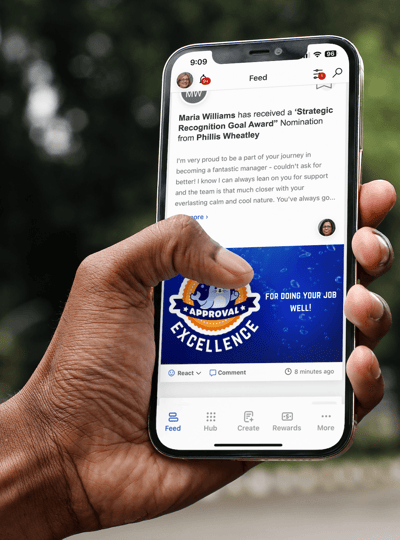
Elevating Employee Experience with Reward Gateway | Edenred
At Reward Gateway | Edenred, we understand the transformative power of prioritizing employee experience. Through innovative technology and a focus on recognizing employee contributions, we empower businesses to cultivate unparalleled workplace cultures. Our comprehensive suite of solutions is designed to elevate your employee experience, drive deeper engagement, and ultimately, improve your overall ROI.
In conclusion, measuring the ROI of employee experience is not merely an option but a strategic necessity for organizations aiming to thrive in today’s competitive global landscape. By focusing on both qualitative and quantitative metrics, embracing best practices, and consistently valuing the employee journey, businesses can cultivate vibrant cultures that drive sustainable success—a true win for employees and the organization alike.
Learn more about how Reward Gateway | Edenred’s suite of employee experience solutions can help you transform your company culture and create a better place to work.