The start of the work week often brings a familiar feeling of being overwhelmed, with overflowing inboxes and a mind struggling to focus. While a common experience for many, for a significant portion of the population, this difficulty concentrating is indicative of a larger mental health challenge. In the United States, approximately one in five adults grapple with mental health conditions annually, a statistic echoed in Canada where around 23% of adults are affected. The workplace, far from being an isolated environment, is deeply impacted by these realities. Recent data reveals a staggering 300% surge in mental health-related leaves of absence among U.S. workers, underscoring the urgent need to prioritize mental well-being within professional settings. Mental Health Awareness Month, observed every May, provides a critical platform to address issues such as stress, burnout, and anxiety openly and without stigma. By fostering an environment where employees feel supported, organizations can move beyond mere survival to cultivate a culture where individuals not only endure but thrive, laying the groundwork for exceptional performance and a robust company culture. This comprehensive roadmap offers a practical, people-centered approach to navigating Mental Health Awareness Month, providing a framework for organizations to foster a more supportive and productive workplace.
Understanding Mental Health Awareness Month and Its Significance
Established in 1949 by Mental Health America (MHA), Mental Health Awareness Month was conceived with the explicit purpose of dismantling the stigma surrounding mental health issues, advocating for improved access to care, and promoting the ongoing practice of mental wellness. Over the decades, a broad coalition of organizations, ranging from grassroots community initiatives to large corporate entities, has amplified this cause, transforming a nascent conversation into a robust and urgent global dialogue.
The concept of mental health extends far beyond the mere absence of illness. It encompasses a state of holistic well-being characterized by the capacity for clear thinking, effective emotional regulation, adept stress management, and the cultivation of healthy interpersonal relationships. In essence, mental health is intrinsically linked to emotional, psychological, social, and even financial well-being, forming a complex tapestry of human experience.
The workplace is a significant arena where mental health profoundly impacts individual and organizational outcomes. When employees feel genuinely supported, their focus sharpens, engagement levels rise, and their commitment to the organization strengthens. Conversely, the pervasive issues of burnout and the lingering stigma associated with mental health struggles can significantly undermine productivity, dampen morale, and lead to increased employee turnover, ultimately eroding the very foundation of a positive company culture. The financial and human cost of neglecting mental health is substantial, while the benefits derived from cultivating a healthy work environment are immeasurable and far-reaching.
Observed annually in May, Mental Health Awareness Month serves as a dedicated period for organizations, leadership, and individuals to pause and place a heightened emphasis on mental well-being. The overarching objective throughout this month is to elevate awareness, actively reduce stigma, and reinforce the fundamental understanding that mental health is an indivisible component of overall health, particularly within the demanding context of the modern workplace. It presents an invaluable opportunity to normalize conversations that have historically been relegated to the shadows, reminding individuals that empathy, understanding, and meaningful connection are not merely desirable but essential.
For organizations, Mental Health Awareness Month represents more than just a symbolic observance; it is a strategic imperative to translate awareness into tangible action. This can manifest through the active encouragement of open and honest dialogue, the acknowledgment of the emotional burdens employees may carry, and the reinforcement of a corporate ethos where seeking help is not only accepted but actively encouraged.
A Four-Week Agenda for Cultivating Mental Well-being
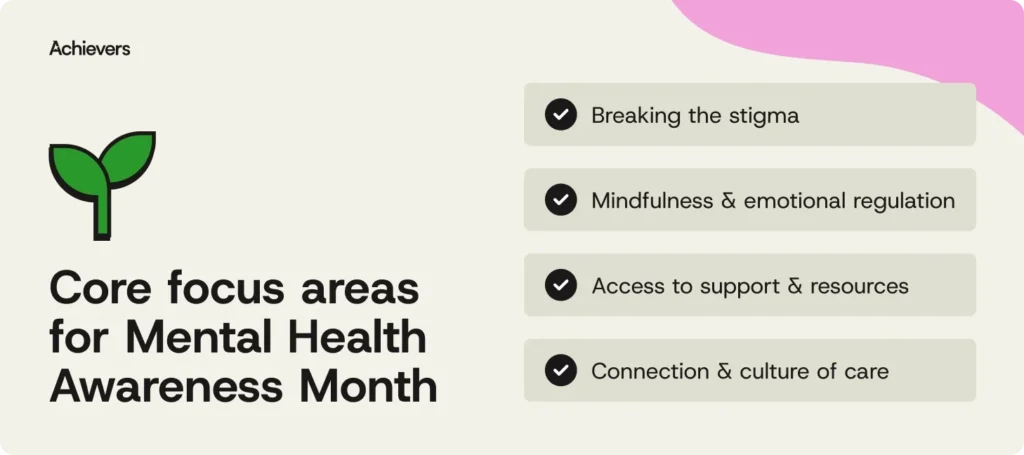
To effectively leverage Mental Health Awareness Month, a structured approach is essential. Each week in May can be dedicated to a specific theme, building momentum and fostering a deeper engagement with mental well-being. The ultimate goal by the end of the month is to facilitate open conversations, disseminate practical tools and resources, strengthen interpersonal connections, and firmly establish mental health and employee well-being as a shared, ongoing organizational priority.
Week 1: Breaking the Silence – Let’s Talk About It
The foundational step in addressing mental health challenges within the workplace is to dismantle the pervasive stigma that has historically discouraged open discussion. Week 1 is dedicated to creating a safe and inclusive space for dialogue. This is not about conducting therapy sessions, but rather about fostering authentic, judgment-free conversations where individuals feel comfortable expressing their experiences. When employees feel empowered to articulate, "I’m struggling right now," it signifies the presence of psychological safety, a critical element in building a healthier and more resilient company culture.
Ideas for Week 1:
- Leadership Open Forum: Senior leaders can initiate the month by sharing their own experiences with stress or acknowledging the importance of mental health, setting a tone of vulnerability and support.
- "Coffee & Conversation" Sessions: Organize informal gatherings where employees can connect and discuss general well-being topics in a relaxed setting.
- Anonymous Question Box: Provide an anonymous channel for employees to submit questions about mental health that can be addressed in a general Q&A session.
- Share Personal Stories (Voluntary): Encourage employees who are comfortable to share brief, anonymized stories of overcoming challenges, highlighting resilience and hope.
- Educational Workshops on Stigma: Conduct sessions that define mental health stigma and its impact, offering practical strategies for combating it in everyday interactions.
When individuals feel secure enough to voice their struggles, it is a direct manifestation of psychological safety, forming the bedrock of a more supportive and effective organizational environment.
Week 2: Cultivating Calm – Finding Your Inner Peace
Following the crucial step of opening communication channels, Week 2 shifts focus to equipping employees with practical strategies for managing everyday stressors. The cultivation of mindfulness and the development of emotional intelligence are paramount skills that contribute significantly to building personal resilience and enhancing focus. These are not abstract concepts but actionable practices that can be integrated into daily routines.
Ideas for Week 2:
- Mindfulness Meditation Sessions: Offer guided meditation sessions, either in-person or virtual, to help employees practice present moment awareness and stress reduction.
- Stress Management Workshops: Host workshops that explore various techniques for managing stress, such as deep breathing exercises, progressive muscle relaxation, and time management strategies.
- Introduction to Emotional Intelligence: Provide training on understanding and managing one’s own emotions and recognizing and influencing the emotions of others, fostering better interpersonal dynamics.
- Desk Yoga or Stretching Breaks: Encourage short, accessible physical activity breaks that can alleviate physical tension and promote mental clarity.
- "Digital Detox" Challenges: Promote initiatives that encourage employees to disconnect from digital devices for specific periods, fostering a greater sense of presence and reducing digital overload.
By the conclusion of Week 2, employees should feel equipped not only to discuss mental health openly but also to actively implement habits that safeguard their own mental well-being.
Week 3: Navigating Support – Knowing What Resources Are Available
While raising awareness about mental health is crucial, ensuring access to appropriate resources is equally, if not more, important. Week 3 is dedicated to demystifying the available support systems and clarifying how employees can effectively utilize them. It is a common oversight that valuable employee benefits and support programs often go underutilized simply due to a lack of awareness regarding their existence or accessibility.
Ideas for Week 3:

- Employee Assistance Program (EAP) Showcase: Organize a session where representatives from the EAP can explain the services offered, confidentiality, and how to access support.
- Benefits Review Session: Clearly outline mental health coverage within the company’s health insurance plans, including details on counseling services, therapy, and medication.
- Resource Hub Creation: Develop a centralized, easily accessible online portal or physical binder containing information on all available mental health resources, both internal and external.
- Guest Speaker on Mental Health Services: Invite a mental health professional to discuss common conditions, treatment options, and the importance of seeking professional help.
- "How-To" Guides for Accessing Support: Create simple, step-by-step guides on navigating insurance portals, booking appointments, and utilizing company-provided wellness apps.
The greater the perceived accessibility of support, the more inclined employees will be to seek it out when they require assistance, fostering a proactive approach to mental wellness.
Week 4: Building Bonds – Fostering a Culture of Care
Ultimately, organizational culture is the enduring element that sustains any initiative. To conclude Mental Health Awareness Month, the focus intensifies on cultivating deeper connections among employees. This week is about celebrating the progress made throughout the month and reinforcing the message that mental health is not a transient, one-month initiative but an integral aspect of the company’s ongoing operations and values.
Ideas for Week 4:
- Team-Building Activities Focused on Connection: Organize activities that encourage collaboration, empathy, and mutual support, moving beyond purely task-oriented goals.
- "Gratitude Wall" or Board: Create a space where employees can publicly express appreciation for colleagues, fostering a positive and supportive atmosphere.
- Highlighting Mental Health Champions: Recognize and celebrate individuals or teams who have actively promoted mental well-being throughout the month and beyond.
- Employee Feedback Session on Well-being Initiatives: Solicit feedback on the effectiveness of the month’s activities and gather suggestions for future mental health programming.
- Commitment to Ongoing Support: Leadership can publicly reiterate the company’s long-term commitment to employee mental health, outlining future plans and initiatives.
A robust culture of care is not built in a single week; however, Week 4 can effectively set the trajectory for embedding employee well-being into the fabric of daily work life.
Launching a Successful Initiative: Planning and Promotion Strategies
Executing a meaningful Mental Health Awareness Month requires diligent preparation, but it need not be an overwhelming undertaking. The following strategies can help ensure the month is both smooth and impactful.
- Establish a Dedicated Planning Committee: Form a diverse group of employees from various departments to brainstorm ideas, coordinate activities, and ensure broad representation.
- Secure Leadership Buy-In and Participation: Visible support and active involvement from senior leadership are crucial for signaling the importance of the initiative.
- Develop a Clear Communication Plan: Outline how information about events, resources, and key messages will be disseminated to all employees through multiple channels (email, intranet, team meetings, posters).
- Create Engaging Content: Utilize a mix of formats, including articles, videos, infographics, and interactive sessions, to cater to different learning styles and maintain interest.
- Integrate with Existing Communication Channels: Leverage company newsletters, internal social media platforms, and regular team meetings to promote awareness and activities.
- Set Measurable Goals: Define what success looks like, whether it’s increased participation in workshops, a rise in EAP utilization, or improved employee survey scores related to well-being.
- Pilot or Test Key Initiatives: If introducing new programs or platforms, consider a pilot phase to gather feedback and make necessary adjustments before a full rollout.
- Collaborate with External Experts: Partner with mental health organizations or professionals to bring specialized knowledge and resources to your workforce.
Through thoughtful and strategic planning, organizations can create a month that not only raises awareness but also inspires lasting, positive change in their workplace culture.
Sustaining Well-being Beyond May
Mental health is not a fleeting campaign to be addressed once a year; it requires a sustained, year-round commitment. To achieve genuine and lasting impact, the practices and principles established during May must become embedded in the daily operations and culture of the organization.
- Integrate Well-being into Performance Reviews: Include discussions about work-life balance and stress management as part of regular performance conversations.
- Promote Flexible Work Arrangements: Where feasible, offer options for flexible hours, remote work, or compressed workweeks to help employees better manage their personal and professional lives.
- Regularly Review and Update Benefits: Periodically assess employee benefits to ensure they adequately address evolving mental health needs and remain competitive.
- Train Managers on Mental Health Support: Equip managers with the skills to recognize signs of distress, have supportive conversations, and guide employees to appropriate resources.
- Foster a Culture of Psychological Safety Year-Round: Continuously reinforce an environment where employees feel safe to express concerns, admit mistakes, and ask for help without fear of reprisal.
- Encourage Peer Support Networks: Facilitate opportunities for employees to connect and support each other, perhaps through employee resource groups or informal peer mentoring programs.
- Measure and Track Well-being Metrics: Regularly collect data through employee surveys, EAP utilization rates, and absenteeism to monitor the impact of well-being initiatives and identify areas for improvement.
Sustained momentum is a direct result of consistency. By weaving care and support into the organizational fabric throughout the year, companies can cultivate a truly healthy and thriving work environment.
Making Mental Health an Integral Part of Everyday Culture
Mental health is not a seasonal theme; it is a perpetual commitment that demands ongoing attention and action. While the outlined roadmap serves as a valuable starting point, its true efficacy lies in the organization’s ability to adapt it to the unique needs of its people and to maintain its principles over the long term.
The power of recognition should not be underestimated in this endeavor. Employee recognition programs, such as those offered by Achievers, can significantly simplify the process of celebrating progress, highlighting incremental successes, and reinforcing a culture where proactive care is not merely encouraged but is an expected and valued aspect of professional conduct.
By leading with empathy, committing to the cultivation of psychological safety, and making mental health a tangible priority within the company culture on a daily basis, organizations can create an environment where everyone benefits. When employees feel secure and unequivocally supported, the positive ripple effects extend to both individuals and the business as a whole, fostering a more productive, engaged, and resilient workforce.
Mental Health Awareness Month FAQs
What is the primary goal of Mental Health Awareness Month?
The primary goal is to raise awareness about mental health issues, reduce the stigma associated with them, and advocate for better mental health care and support systems.
How can organizations effectively participate in Mental Health Awareness Month?
Organizations can participate by organizing educational events, promoting open dialogue, sharing resources, encouraging leadership involvement, and integrating mental well-being into their company culture.
What are some practical ways employees can prioritize their mental health during May?
Employees can prioritize their mental health by engaging in mindfulness practices, seeking support when needed, setting healthy boundaries, participating in company-offered wellness activities, and fostering connections with colleagues.
Why is it important for employers to support Mental Health Awareness Month?
Supporting Mental Health Awareness Month demonstrates a commitment to employee well-being, which can lead to increased productivity, improved morale, reduced absenteeism, and higher employee retention rates. It also contributes to a positive and supportive company culture.
How can the impact of Mental Health Awareness Month be sustained beyond May?
Sustainability is achieved by embedding mental health support into the company’s ongoing policies, practices, and culture. This includes continuous training for managers, regular communication about resources, and ongoing initiatives that prioritize employee well-being throughout the year.