
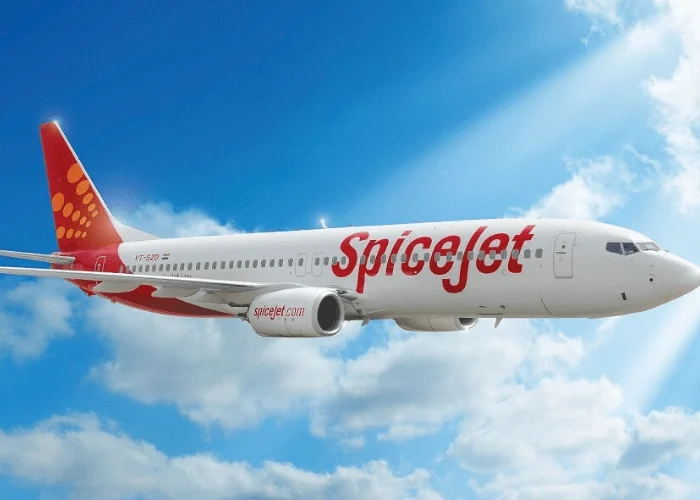
SpiceJet, a prominent low-cost carrier in India, has embarked on a significant workforce reduction strategy, a direct consequence of its escalating financial difficulties and a dramatically shrinking operational footprint. The initial phase of this restructuring is projected to affect more than 500 employees, signalling a challenging period for the airline and its staff. This move comes as the airline’s active fleet has dwindled substantially, from a peak of approximately 50 aircraft to now operating only about 13 of its own planes and an additional 14 wet-leased aircraft, which arrive complete with their own crew. The drastic reduction in fleet size, coupled with a burgeoning liability portfolio, has prompted the management to implement severe cost-cutting measures, including furloughs and compulsory leave without pay, with indications that up to 20 per cent of its total workforce could eventually face similar impacts.
Chronology of Escalating Financial Distress and Workforce Actions
SpiceJet’s current predicament is not an isolated event but rather the latest chapter in a protracted history of financial volatility that has plagued the airline for over a decade. The carrier, which narrowly averted collapse in late 2014 with a significant capital infusion, has consistently grappled with a delicate financial balancing act. Its recent troubles have been exacerbated by a challenging post-pandemic aviation landscape, marked by volatile fuel prices, intense competition from new entrants like Akasa Air, and the resurgence of established players like Air India under Tata Group.
Early 2024: The year began with a glimmer of hope as SpiceJet successfully raised approximately Rs 3,000 crore through a combination of preferential allotment of shares and warrants. This capital infusion was touted by the airline’s management as a crucial step towards deleveraging its balance sheet, enhancing operational capabilities, and addressing outstanding dues to lessors and vendors. The market had reacted positively, anticipating a period of stabilization and growth. However, the subsequent workforce reductions indicate that even this substantial capital infusion has not been sufficient to alleviate the deep-seated financial pressures.
March 31, 2024: A pivotal date for many SpiceJet employees, the company’s human resources department disseminated a letter informing a significant portion of its staff about impending furloughs. This communication detailed that many employees would be placed on a six-month leave without pay period, commencing from April 2026 and extending through September 2026. While technically not outright layoffs, the designation of "furlough" with zero pay has created immense financial strain for the affected personnel, who are left without an income stream for half a year. The timing of this communication, on the last day of the financial year, also drew criticism for its abruptness.
March 31, 2024 (Engineers’ Plight): Simultaneously, a distinct group of around 62 engineers faced an immediate and unforeseen termination of their employment. These engineers had tendered their resignations and were serving their mandatory notice periods, many with confirmed offers from rival airlines such as the newly invigorated Air India or the rapidly expanding Akasa Air. On March 31, they were abruptly informed that their notice periods had been waived, rendering that day their last working day. This decision effectively cut off their income stream prematurely, leaving them without pay for the remainder of their notice period and potentially creating a financial gap before their new employment commences. With an engineering workforce estimated at around 800, this incident has triggered widespread apprehension, with further exits anticipated as staff seek more stable employment opportunities.
Early April 2024: The pervasive issue of salary delays, a long-standing grievance among SpiceJet employees, reached critical levels. Payments that were once delayed by a manageable single month have now stretched to up to three months. As of early April, numerous senior employees reported not having received their January salaries, while essential ground staff and loaders, often the lowest-paid segments of the workforce, were reportedly awaiting two months’ worth of pay. This chronic delay has profoundly eroded employee morale and trust, impacting their ability to meet daily living expenses and financial commitments.
Supporting Data and Background Context: A Troubled Trajectory
SpiceJet’s journey has been a roller coaster of near-collapses and temporary recoveries. Founded in 2005, it quickly established itself as a key player in India’s burgeoning low-cost aviation market. However, its financial health has rarely been robust.
Indian Aviation Landscape: The Indian aviation sector is notoriously challenging. Despite its immense growth potential, it is characterized by fierce price wars, high operational costs (especially fuel, which is often taxed heavily), and intense competition. Several airlines, including Kingfisher Airlines and more recently Go First, have succumbed to these pressures, highlighting the fragility of even established carriers. The entry of well-capitalized players like Akasa Air and the ambitious expansion plans of the Tata Group-owned airlines (Air India, Vistara, Air India Express) have further intensified the competitive environment, making it difficult for smaller, financially stretched airlines to compete effectively on fares and service.
SpiceJet’s Historical Financial Performance:
- 2014 Crisis: SpiceJet faced an existential crisis in December 2014, when it had to ground its fleet due to insufficient funds to pay for fuel and airport charges. It was saved by a last-minute bailout led by its co-founder Ajay Singh. This period saw massive operational disruptions and a significant loss of market share and public trust.
- Recurring Losses: Despite periods of profitability, often driven by aggressive cost-cutting and opportunistic market conditions, SpiceJet has largely operated with thin margins and recurring losses, particularly evident in the post-pandemic era. The airline has frequently reported negative net worth, indicating that its liabilities exceed its assets.
- Market Share: From being one of the top three domestic carriers, SpiceJet’s market share has steadily eroded. In recent months, it has hovered around 5-6%, significantly behind market leaders like IndiGo and even newer players like Akasa Air in certain segments.
- Debt Burden: The airline’s liabilities are extensive, estimated at over Rs 4,500 crore. This substantial figure includes not only dues to lessors for aircraft rentals and maintenance but also pending statutory dues exceeding Rs 100 crore, which encompass obligations like provident fund contributions, tax deducted at source (TDS), and goods and services tax (GST). Non-payment of statutory dues can invite severe penalties and regulatory action. Furthermore, outstanding payments to vendors, fuel suppliers, and airport authorities continue to mount, contributing to a precarious financial position.
Fleet Details and Lessor Disputes: The reduction of SpiceJet’s fleet from 50 to 13 owned aircraft, supplemented by 14 wet-leased planes, is a critical indicator of its financial distress. Lessors, who own the aircraft and lease them to airlines, have become increasingly wary of SpiceJet’s ability to meet its lease obligations. Numerous reports and legal filings over the past year detail instances where lessors have sought to de-register and reclaim their aircraft from SpiceJet due to unpaid dues. This has led to a shrinking operational capacity, forcing the airline to rationalize its route network and flight frequencies. Wet leasing, while offering immediate operational capacity, is generally a more expensive option than owning or dry leasing aircraft, further straining the airline’s finances in the long run.
Impact on Employees: A Cascade of Hardship
The workforce reduction and associated measures have had a profound and multifaceted impact on SpiceJet’s employees, extending beyond mere financial inconvenience.
Furlough and Financial Hardship: For those placed on a six-month furlough without pay, the implications are severe. Unlike a layoff, a furlough theoretically implies the employee remains on the company’s rolls, but without income. This creates a dilemma: employees cannot seek full-time alternative employment without resigning, yet they have no salary to support themselves or their families. Many employees, especially those with dependents, existing medical conditions requiring continuous treatment, or housing loan EMIs, face immense stress and uncertainty. The timing of the furlough, extending into 2026, suggests a protracted period of financial instability for these individuals.
Engineers’ Transition Woes: The 62 engineers whose notice periods were waived faced immediate financial disruption. While many had secured new positions, the loss of income for a month or two, coupled with potential relocation expenses and the general costs of transitioning between jobs, imposed an unexpected burden. Beyond the financial aspect, the mass exit of experienced engineers raises critical questions about the airline’s ability to maintain its fleet effectively. Aviation engineering is a highly specialized field, requiring certified personnel. A significant loss of experienced staff could potentially compromise maintenance schedules, increase aircraft ground time, and, in extreme scenarios, raise concerns about operational safety. The Director General of Civil Aviation (DGCA) typically monitors such situations closely to ensure compliance with safety standards.
Erosion of Morale and Trust: Chronic salary delays are a corrosive force on employee morale. When basic remuneration is inconsistent, it creates deep-seated anxiety and resentment. The current situation, where senior staff and ground personnel are awaiting multiple months of pay, has shattered trust in the management’s ability to stabilize the airline. This erosion of trust often leads to a "brain drain," with skilled and experienced personnel actively seeking opportunities with more financially secure airlines. This exodus further weakens the company’s operational capabilities and institutional knowledge, creating a vicious cycle.
Inferred Statements and Reactions from Related Parties
While direct statements from all parties were not provided in the original article, their reactions can be logically inferred based on typical industry responses during such crises.
SpiceJet Management: An official statement from SpiceJet’s management would likely emphasize the "difficult but necessary decisions" being made to ensure the airline’s "long-term sustainability and operational efficiency." They would probably frame the workforce reduction as a "cost rationalization measure" aimed at aligning the employee base with the current fleet size and operational requirements. The furloughs would be presented as "temporary measures" designed to weather the current economic headwinds, with an implied promise of recall should the financial situation improve. The management might also reiterate its commitment to employee welfare within the constraints of its financial reality.
Employee Unions/Representatives: Employee unions or unofficial staff representatives would undoubtedly voice strong condemnation of the measures, particularly the unpaid furloughs and the abrupt termination of engineers. They would likely call for greater transparency from management, demand immediate payment of all outstanding salaries, and advocate for fair compensation packages for affected employees. Appeals to the Ministry of Labour and Employment or other government bodies for intervention to protect workers’ rights would also be probable.
Aviation Analysts: Industry analysts would likely view these developments with concern, interpreting them as a clear indicator of SpiceJet’s continuing financial fragility despite the recent capital infusion. They might suggest that the Rs 3,000 crore raised was perhaps insufficient to cover the existing liabilities and provide adequate working capital. Analysts would also highlight the operational risks associated with a shrinking fleet and a potentially demoralized workforce, predicting further erosion of market share and increased scrutiny from regulators. The situation might be seen as a precursor to potential consolidation in the Indian aviation market.
Directorate General of Civil Aviation (DGCA): The DGCA, India’s aviation regulator, would be expected to closely monitor SpiceJet’s operational stability and financial viability. While the DGCA’s primary mandate is safety, an airline’s financial health directly impacts its ability to maintain aircraft, pay staff, and ensure operational integrity. The regulator might issue notices to SpiceJet seeking clarification on its financial health, fleet maintenance plans, and contingency measures to ensure passenger safety and smooth operations amidst workforce changes. Past instances of financial distress in Indian airlines have often led to increased DGCA oversight.
Broader Impact and Implications
The current crisis at SpiceJet carries significant broader implications for the airline itself, the Indian aviation sector, and potentially investor confidence.
Operational Stability and Safety Concerns: The exodus of experienced engineers and the demoralization of the wider workforce pose tangible risks to SpiceJet’s operational stability. A reduced and potentially less experienced engineering team could lead to delays in maintenance, increased ground time for aircraft, and potentially compromise the rigorous safety standards required in aviation. While the DGCA is vigilant, any perception of compromised safety could severely damage public trust and lead to regulatory interventions, including restrictions on operations.
Further Market Share Erosion: With a diminished fleet and a reputation for operational instability and salary delays, SpiceJet is likely to continue losing market share to its competitors. Passengers often prioritize reliability and punctuality, and an airline facing such internal turmoil struggles to deliver on these fronts. This shrinking market presence makes it even harder for SpiceJet to achieve economies of scale and generate sufficient revenue to cover its fixed costs.
Investor Confidence and Future Funding: Despite the recent capital raise, the ongoing financial struggles and the need for drastic cost-cutting measures will undoubtedly dampen investor confidence. Potential future investors will scrutinize SpiceJet’s ability to utilize fresh capital effectively and achieve sustainable profitability. The company’s persistent issues may make it challenging to secure additional funding, which is crucial for an industry that is highly capital-intensive.
Consolidation in Indian Aviation: SpiceJet’s struggles could accelerate the trend of consolidation in the Indian aviation market. As smaller, weaker players face existential threats, larger, better-capitalized airlines may look for opportunities to acquire assets or absorb market share. This could lead to a more concentrated market with fewer, but potentially stronger, airlines.
Employee Rights and Welfare: The situation at SpiceJet highlights the vulnerabilities of employees in a highly competitive and often volatile industry. It underscores the need for robust labor protections and for clear communication and fair treatment during periods of corporate restructuring. The long-term impact on the careers and financial well-being of the affected employees is a serious concern.
In conclusion, SpiceJet’s decision to reduce its workforce and implement severe cost-cutting measures reflects a deepening financial crisis. While presented as necessary for long-term survival, these actions have inflicted immediate hardship on hundreds of employees and raised significant concerns about the airline’s operational stability, market viability, and its future in India’s competitive aviation landscape. The coming months will be critical in determining whether these drastic measures can steer SpiceJet back to stability or if they are merely delaying a more profound reckoning.








