
Social recognition, the public acknowledgment of employee contributions, achievements, and exemplary behaviors, is emerging as a cornerstone of modern organizational strategy. Far from being a mere formality, it represents a deliberate approach to fostering a vibrant, engaged, and productive workforce. Unlike private commendations that remain confined to an individual and their immediate supervisor, social recognition casts a wider net, illuminating successes across teams and departments. This transparency cultivates an inclusive atmosphere where accomplishments are not only seen but actively celebrated by the collective, often facilitated through digital platforms or visible public forums, thereby reinforcing a culture of shared appreciation and mutual respect.
The Undeniable Benefits of Social Employee Recognition
The strategic implementation of social recognition initiatives yields a multitude of advantages that extend beyond immediate morale boosts, profoundly impacting an organization’s long-term health and performance.
Boosting Employee Engagement and Morale: A Ripple Effect of Appreciation
Publicly acknowledging an employee’s contributions serves as a potent catalyst for enhancing morale. This visibility fosters cross-departmental empathy, strengthening camaraderie and encouraging collaborative efforts, all of which are critical drivers of heightened employee engagement. Data consistently shows a strong correlation between feeling valued and increased discretionary effort. A study by Deloitte found that organizations with highly engaged employees are 21% more profitable. When employees witness the tangible results of hard work from colleagues in different departments, it cultivates a deeper understanding of how each role contributes to the overarching success of the business. This shared awareness mitigates silos and promotes a unified vision, where individual efforts are seen as integral components of a larger, collective achievement.
Forging a Stronger Company Culture: Embedding Appreciation into Daily Operations
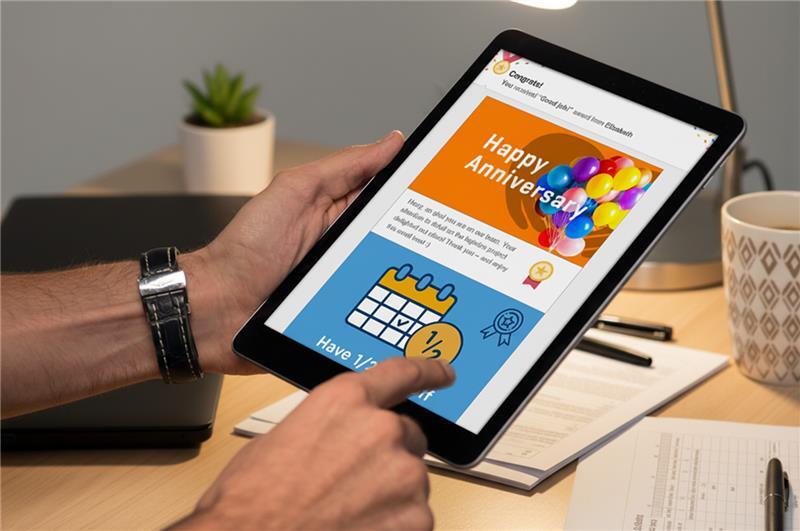
Social recognition is instrumental in building a company culture where appreciation and respect are woven into the fabric of everyday operations, rather than being relegated to annual reviews or special occasions. By openly celebrating successes, organizations cultivate a positive environment that nurtures collaboration, trust, and mutual support. Over time, these consistent, shared moments of recognition coalesce to define the organizational ethos – the informal "how we do things here." This continuous reinforcement of desired behaviors and values shapes a robust and interconnected culture, fostering a sense of belonging and shared purpose among all staff. A report by Gallup indicates that companies with strong recognition cultures experience 31% lower voluntary turnover.
Mitigating Turnover and Enhancing Employee Retention: Cultivating Loyalty Through Value
Employees who feel genuinely recognized and valued are demonstrably more likely to remain with their organization. This sense of being seen and appreciated directly translates into a clearer perception of their contributions’ impact on business success, fostering a sense of long-term commitment. Consistent and thoughtful recognition initiatives provide employees with a tangible vision of their future within the company, offering stability and encouragement, particularly during periods of organizational change or uncertainty. Consequently, social recognition programs can significantly reduce turnover rates, saving companies substantial resources associated with recruitment and onboarding, while simultaneously preserving invaluable institutional knowledge and maintaining a stable, high-performing workforce. Research by Bersin by Deloitte suggests that companies with effective recognition programs see a 28.6% lower annual turnover rate.
Catalyzing Team Collaboration and Connection: Building Bridges Through Shared Success
The act of publicly acknowledging an employee’s achievements not only uplifts individual spirits but also strengthens interpersonal bonds within teams. This is particularly crucial in today’s diverse work environments, encompassing co-located, distributed, and hybrid teams. When employees regularly celebrate each other’s successes, it cultivates a profound sense of belonging, fosters psychological safety, and builds trust. This foundation of trust makes cross-functional collaboration, communication across geographical boundaries, and hierarchical interactions significantly smoother and more effective. A sense of belonging, as highlighted by research from the Harvard Business Review, is a key predictor of employee performance and retention.
Defining Characteristics of Effective Social Recognition
To unlock the full potential of social recognition, certain key characteristics are paramount. A well-designed program moves beyond superficial gestures to create a truly impactful and inclusive experience.

Public and Visible: The Power of Shared Acknowledgment
The essence of social recognition lies in its visibility. When achievements are easily seen and appreciated by all, it fosters a shared experience of gratitude throughout the workplace. When employees habitually recognize and thank each other publicly for their contributions, it naturally leads to stronger interpersonal bonds and a more empathetic understanding when challenges arise. This transparency ensures that good work is not hidden but celebrated, creating a positive feedback loop that encourages continued excellence.
Frequent and Timely: Capturing the Moment of Impact
Recognition is most effective when delivered regularly and in close proximity to the behavior or achievement being celebrated. This immediacy reinforces positive actions and makes them more memorable, increasing the likelihood of repetition. The temporal connection between an action and its acknowledgment amplifies its significance in the employee’s mind. Prompt recognition signals that an organization is attentive and values timely contributions, creating a dynamic and responsive work environment.
Inclusive and Accessible: Ensuring Everyone Has a Voice
A truly effective social recognition program is designed to be equitable, ensuring that all employees, regardless of their position, department, or tenure, have the opportunity to both recognize others and be recognized themselves. This inclusivity prevents any sense of hierarchy or favoritism, promoting a culture where every contribution is valued. Accessibility means that the tools and processes for giving and receiving recognition are straightforward and readily available to everyone.
Values-Driven: Aligning Recognition with Organizational Purpose
Crucially, social recognition should be intrinsically linked to an organization’s core values. By aligning acknowledgments with these foundational principles, companies reinforce what truly matters and communicate the specific behaviors and achievements that drive business success. For example, if operational safety is a key organizational goal, integrating it into the recognition program through specific accolades for safe practices is a powerful way to champion and embed this value through positive reinforcement. This ensures that recognition is not arbitrary but purposeful, guiding employees towards actions that support the company’s strategic objectives.

Social Recognition in Practice: Real-World Applications
The theoretical benefits of social recognition translate into tangible practices that can be integrated into the daily operations of any organization.
Digital Platforms and Social Walls: The Virtual Hub of Appreciation
Modern digital employee recognition platforms serve as central hubs for showcasing employee achievements in real-time, creating a virtual space where appreciation is openly celebrated. Platforms like Reward Gateway | Edenred’s "boom!" platform, featuring its "Wow! wall," allow employees to share and view recognition moments. More than just a digital bulletin board, these platforms often enable employees to react, comment, and even attach rewards to particularly outstanding actions, further amplifying the impact of the recognition. These digital spaces foster a sense of continuous acknowledgment and provide a valuable overview of successes across the organization.
Integrating Recognition into Meetings and All-Hands Events: Highlighting Collective Successes
Incorporating dedicated recognition segments into regular team meetings and company-wide all-hands gatherings provides a powerful platform for highlighting individual and team contributions. This practice not only celebrates specific achievements but also encourages team members to actively acknowledge each other’s efforts. Furthermore, hearing about successes from different parts of the organization can serve as an informal knowledge-sharing mechanism, disseminating best practices and fostering a more informed and connected workforce. Starting meetings with positive recognition can also set a more optimistic and productive tone, especially during challenging periods.
Leveraging Company Communication Channels: Sustaining Appreciation in the Flow of Information
Utilizing existing company communication channels, such as internal newsletters, email digests, or enterprise social media platforms, to share shout-outs and recognition stories ensures that appreciation remains a consistent presence in the organizational dialogue. Sharing stories of inter-departmental collaboration and success can provide valuable context and understanding. For instance, if a particular department is experiencing delays, knowing they are undergoing a major system overhaul, as shared through a company-wide update that includes recognition for their efforts, can transform potential frustration into understanding and empathy.
Peer-Nominated Awards and Recognition Programs: Empowering Employees to Acknowledge Excellence
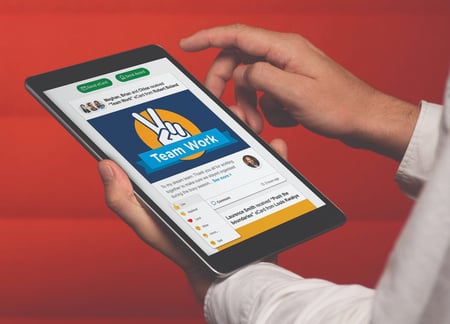
Implementing programs where employees can nominate their colleagues for outstanding achievements cultivates a strong sense of camaraderie and community. Employees work together daily and possess firsthand knowledge of the effort and impact of their peers’ work. Empowering them to recognize each other ensures that exceptional contributions, which might otherwise go unnoticed by management, are brought to light. This peer-driven recognition fosters a culture of mutual support and acknowledges the collaborative nature of modern work.
Implementing Social Recognition: A Strategic Roadmap
Introducing or enhancing social recognition initiatives within an organization can be approached systematically, ensuring alignment with company values and fostering a lasting culture of appreciation.
Selecting the Right Recognition Platform and Tools: The Foundation for Success
The initial step involves choosing a recognition platform that is intuitive, user-friendly, and facilitates public acknowledgment in a manner that aligns with the organization’s specific needs and culture. Key features to evaluate include the types of recognition offered, the range of reward options, accessibility methods (e.g., single sign-on integration), and privacy settings. A platform that is easy to navigate reduces friction and increases adoption rates.
Comprehensive Training for Leaders and Employees: Equipping the Workforce
Effective implementation requires thorough training for both leaders and employees on how to deliver and receive recognition meaningfully. Managers play a pivotal role in setting the tone and encouraging widespread participation. Training should cover the platform’s functionalities, best practices for giving constructive and appreciative feedback, and the importance of aligning recognition with company values. Equipping employees with the skills and confidence to recognize their peers fosters a more engaged and supportive environment.
Tying Recognition to Company Values: Reinforcing Organizational Purpose
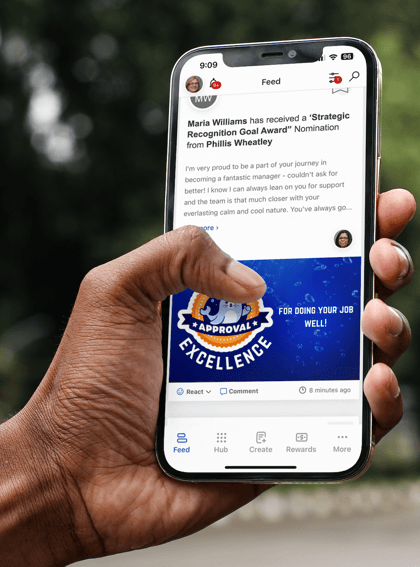
Explicitly linking recognition to the organization’s core values imbues the act of acknowledgment with deeper meaning. This can be achieved by creating value-specific eCards or providing clear guidelines on how and when to use recognition to highlight behaviors that exemplify these values. This strategic alignment ensures that recognition is not just about acknowledging good work but about actively shaping and reinforcing the desired organizational culture.
Streamlining the Recognition Process: Making it Effortless
The simpler the recognition process, the more likely employees are to engage with it. From initial login to the final act of sending recognition, every step should be as seamless and efficient as possible. This includes ensuring easy access to the platform, straightforward methods for sending acknowledgments, and clear visibility of received recognition. A frictionless experience maximizes participation and ensures that recognition becomes a natural part of the daily workflow.
Measuring and Celebrating Impact: Sustaining Momentum
Regularly assessing the impact of social recognition efforts through key performance indicators (KPIs), such as the number of recognition moments shared or the percentage of employees participating, is essential. Celebrating milestones and successes achieved through these initiatives helps to maintain momentum and reinforce their importance. Tracking these metrics provides valuable insights into the health of the organizational culture and allows for timely adjustments to the program. For instance, setting a KPI for monthly recognition moments shared can serve as a benchmark for internal culture and a leading indicator of employee sentiment.
Conclusion: Cultivating a Culture of Appreciation
In today’s dynamic business landscape, social employee recognition is no longer a fringe benefit but a strategic imperative. By embracing public acknowledgment, organizations can unlock higher levels of engagement, forge stronger cultures, improve retention, and foster genuine connection among their teams. As exemplified by platforms like Reward Gateway | Edenred’s "boom!" and its "Wow! wall," technology plays a vital role in facilitating these interactions, making it seamless for employees to express gratitude and celebrate achievements. Ultimately, investing in social recognition is an investment in the organization’s most valuable asset: its people, creating a workplace where every contribution is seen, valued, and celebrated, driving collective success and fostering a truly positive and productive environment.