
The global landscape for early talent recruitment has undergone a significant transformation, prompting organizations to re-evaluate traditional hiring methodologies. In response to these evolving challenges, Yello, a leading talent acquisition platform, has announced its acquisition of Symba, an innovative internship and new grad program management solution. This strategic integration aims to provide a comprehensive, end-to-end platform designed to enhance candidate engagement and mitigate the rising rates of offer reneges in the competitive early career market. The acquisition addresses a critical "engagement gap" that often leaves promising candidates feeling disconnected between offer acceptance and their first day, a period increasingly fraught with risks for employers.
A Seismic Shift in Early Talent Recruitment
The past year has witnessed a profound shift in the dynamics of the job market, particularly impacting early talent recruitment. Economic uncertainties, a volatile job market, and heightened expectations from prospective employees have collectively made the talent pool more discerning and cautious during their job search. This new reality translates into intensified competition among employers vying for top entry-level talent, alongside a noticeable decline in candidate engagement throughout the hiring process. Recruiters frequently report new obstacles, including ghosting from candidates, decreased response rates to communications, and a general difficulty in maintaining enthusiasm from offer acceptance to start date. Effectively engaging and retaining entry-level talent has become more arduous than ever before.
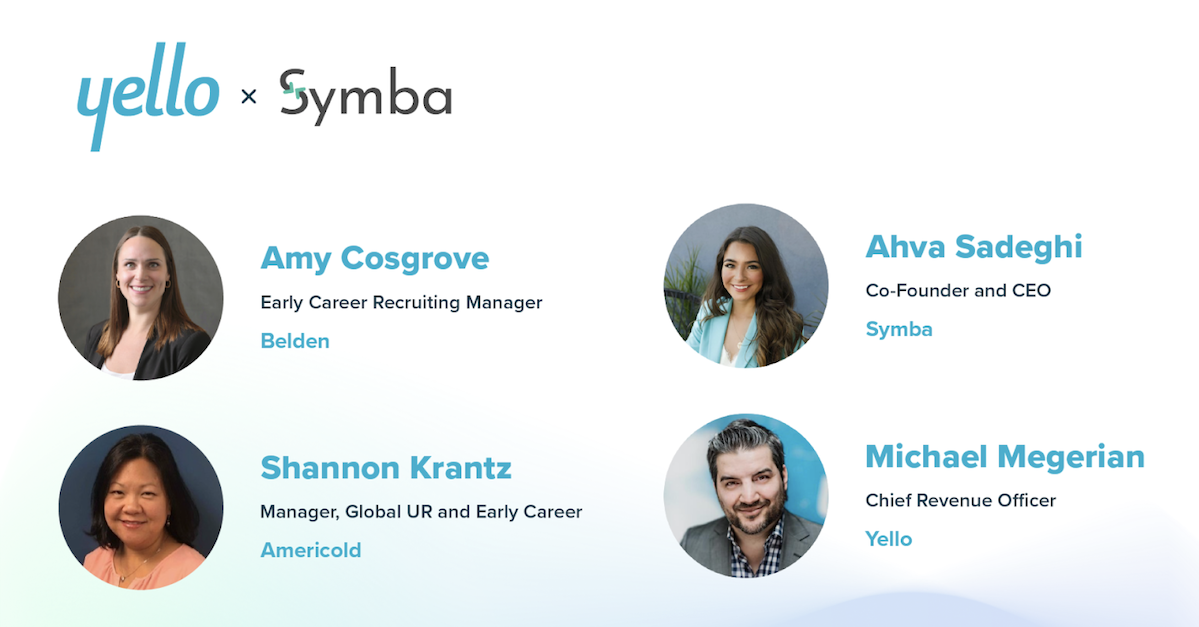
This context formed the backdrop for a recent panel discussion featuring industry experts, convened to pinpoint deficiencies in existing recruiting strategies. The central announcement of the event was Yello’s acquisition of Symba, a move specifically engineered to foster stronger, more consistent connections with early talent, spanning from initial contact through to their inaugural day of employment.
Mapping the Evolving Early Career Journey
A common misconception in early recruiting is the belief that it is confined solely to the fall academic season. While autumn indeed represents a peak period for entry-level hiring, the cultivation of robust talent pipelines, the maintenance of meaningful candidate relationships, and the achievement of high offer acceptance rates are, in fact, year-round endeavors. To fully grasp where potential hires might disengage, a holistic review of the early career hiring journey is imperative. Examining a typical internship hiring timeline reveals distinct phases where engagement can fluctuate significantly.
Phase 1: Fall Recruiting – The Initial Spark
This phase traditionally serves as the bedrock of early talent acquisition. It is characterized by high energy and proactive outreach, as employers connect with prospective hires at career fairs, campus events, and online forums. Organizations leverage this period to showcase their brand, share information about open roles, and present themselves as leading employers. Successful fall recruiting culminates in extending offers and securing a strong cohort of new talent for the subsequent year. At this stage, excitement levels are generally high, and candidates are actively engaged in the decision-making process.

Phase 2: The Critical Candidate Engagement Gap – Post-Offer Silence
This period, often stretching from November to May for summer internships, is where the greatest vulnerabilities emerge. For many early talent hires, the journey transitions from an exciting, interactive recruitment process to a prolonged period of silence following offer acceptance. Candidates, having navigated multiple opportunities and committed to an exciting role, frequently experience a complete cessation of communication from their new employer. This unfortunate reality creates a significant vacuum, leaving new hires feeling neglected and questioning their choice. As Ahva Sadeghi, Co-Founder and CEO of Symba, noted from personal experience, "At the beginning of my career, I had six different internships. For most, I didn’t get any emails from my employer until the week before my internship started. That’s a lot of silence."
During these critical months, top talent remains open to alternative opportunities. The absence of a structured, consistent communication plan exposes organizations to the substantial risk of losing these valuable hires before their internship even commences. Competitors are always scouting, and a lack of engagement can easily lead promising candidates to accept different roles that offer more consistent interaction and a stronger sense of belonging. This "engagement gap" is not merely an inconvenience; it is a direct threat to recruitment investment and talent pipeline stability.
Phase 3: Summer Internship Season – Active Integration
Once the summer internship season officially begins, the intensity of engagement naturally increases. New hires are onboarded, managers and leadership actively participate in the internship program, and the organization starts to reap the benefits of its recruiting efforts. This phase is characterized by hands-on learning, mentorship, and direct exposure to company culture, ideally solidifying the new hires’ commitment to the organization.
Phase 4: Post-Internship Keep-Warm – Nurturing Future Leaders
The primary objective of most internship programs extends beyond immediate project work; it aims to identify and cultivate a pipeline of qualified early talent for future full-time roles. Consequently, many early recruiting teams already possess established post-internship communication strategies. These typically involve follow-ups with high-performing interns, maintaining connections regarding future job openings, and extending full-time offers. However, even in this phase, opportunities for refinement exist. Questions arise regarding the structure and frequency of outreach, and how consistently organizations reinforce their value proposition to past interns. Optimizing this re-engagement strategy can significantly impact conversion rates from intern to full-time employee.

Yello Acquires Symba: Bridging the Divide
Recognizing the escalating complexity and fragmented nature of early talent recruiting, Yello’s acquisition of Symba marks a pivotal step toward creating a unified, robust solution. The goal is to specifically address the identified engagement gap and automate the most intricate aspects of early career hiring and onboarding. The combined entity aims to streamline the entire early career journey, empowering employers to automate the administrative burdens associated with running internship and new graduate programs, while simultaneously maximizing candidate engagement and conversion rates.
Ahva Sadeghi expressed optimism about the merger, stating, "Yello’s leadership is incredibly visionary. They’re thinking many steps ahead about what the market needs. This partnership introduces the first end-to-end early career solution in the market, and I’m excited for what’s to come." Amy Cosgrove, Early Career Recruiting Manager at Belden, a company that has already benefited from Symba’s capabilities, echoed this sentiment: "Using Symba to automate our communication strategy post-offer has made our strategy so much more structured. We’ve been on a constant journey of improvement since we started." These testimonials underscore the practical value and strategic foresight behind the acquisition.
The Economic Imperative: Why the Post-Offer Gap Matters

Historically, the period between offer acceptance and internship start was perceived as a quiescent phase. Recruiting teams often assumed their work was complete once an offer was signed, shifting focus to other priorities. However, this assumption is no longer tenable in the current talent landscape. There can be as many as eight months between a candidate accepting an offer and their actual start date, a significant window during which new hires can explore other opportunities.
The data reveals a stark reality:
- A staggering 52% of candidates continue to apply for jobs even after accepting a role, according to the 2024 State of Campus Recruiting Report. This highlights a pervasive lack of certainty or continued interest that employers must actively combat.
- Since 2021, there has been a +100% increase in overall renege rates, indicating a significant erosion of candidate commitment.
- Specifically, intern reneges have seen a 10% increase, posing a direct threat to pipeline development for future full-time roles.
These statistics illustrate that a signed offer letter is no longer a guarantee of a new hire’s presence on day one. The financial implications of these reneges are substantial. Research indicates that organizations lose an average of $4,700 or more per reneged offer. This cost encompasses not only the direct expenses of recruitment (advertising, screening, interviews) but also the indirect costs of lost productivity, team morale impacts, and the necessity to restart the hiring process.
Shannon Krantz, Manager of Global University Relations and Early Career at Americold, emphasized the importance of proactive engagement: "I’ll send out a communication every month up until a new hire’s start date, and track how quickly they respond. When folks respond immediately, we know that they’re very on board and are excited to start working with us. If it’s taken five days and we still haven’t heard back, we know it’s time to pick up the phone or dig a bit deeper about why they’re not engaging with us." This highlights the need for continuous monitoring and adaptive strategies. Amy Cosgrove further elaborated on the benefits of a structured approach: "I noticed a lot of reneges from new hires throughout the process up until the start date. With that occasional but consistent drip of losing talent, we couldn’t track where folks were falling off in our old Excel spreadsheets. When we started a more consistent communication strategy post-offer and connected new hires with internal stakeholders, we started to see those renege rates go down."

Assessing and Building a Consistent Early Talent Engagement Strategy
Understanding and addressing early talent engagement gaps requires a systematic approach. Communication pitfalls are unique to each company, influenced by factors such as hiring cycles and in-person versus remote engagement capabilities. However, several best practices can help organizations identify and rectify disengagement points.
1. Map Out Every Touchpoint: The first step involves a comprehensive inventory of all communication points with new hires, from the moment an offer is accepted until their official start date. This granular mapping helps visualize the candidate journey from their perspective. Amy Cosgrove noted, "We were using several different tools during hiring and onboarding, so it’s a gamechanger to have Symba which is a one-stop-shop throughout the entire process. It’s also a more sophisticated and consistent approach to our communications strategy, instead of sending candidates emails through Outlook or our personal phone numbers." This underscores the need for a unified system to ensure consistency.
2. Flag Silent Periods: Once touchpoints are mapped, identify any significant gaps or prolonged silences in communication. These quiet periods are prime opportunities for disengagement. The goal is to pinpoint where additional, meaningful touchpoints could be introduced to maintain connection and enthusiasm.

3. Gather Feedback: Leverage insights from candidates and hiring managers, who often possess valuable, firsthand information about communication gaps. Conducting surveys or soliciting anecdotal feedback can provide critical data to refine outreach strategies.
4. Diagnose the Impact: Analyze recruitment metrics to understand the tangible consequences of engagement gaps. Are renege rates increasing? Are acceptance rates declining? By correlating engagement patterns with these metrics, organizations can prioritize their efforts and tailor communication strategies to address the most pressing issues.
Once gaps are identified, building a consistent new hire communication strategy becomes paramount.
- Prioritize Gaps and Focus Areas: Define what constitutes a "5-star" new hire experience. What key messages about employer brand, company culture, or career development opportunities should be consistently reinforced? Identifying these priorities guides the content and frequency of outreach.
- Add Intentional Touchpoints: Rather than overwhelming candidates, focus on strategic, value-driven interactions. These don’t need to be daily or weekly but should consistently convey core employer brand messages, such as a strong company culture or robust networking opportunities. Shannon Krantz highlighted the efficiency gains from automation: "We’re sending out 40 emails every week for months on end. It’s impossible to manage without a tool like Symba, which can personalize our messaging and automate those activities so that we have more time to focus on strategic planning and reform our overall hiring structure."
- Build Human Connections: Facilitate personal connections before day one. This can involve pairing incoming interns with current team members based on shared universities or interests, creating social media groups for the intern class to connect, or scheduling pre-start Zoom calls with managers. Shannon Krantz shared an example: "We keep the conversation going by asking interns fun questions via email that make them excited to respond, and so that they can get to know other interns. It can be something silly like ‘Who’s your favorite superhero,’ which is light but drives engagement and helps us gauge response rates."
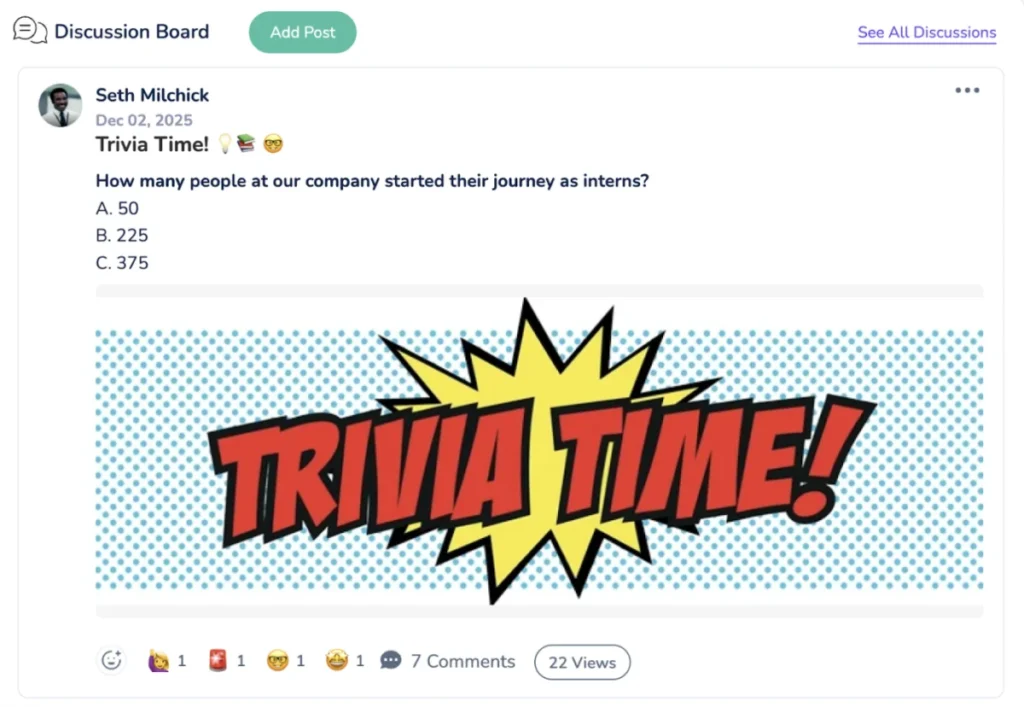
- Add Value Before Day One: Beyond administrative onboarding, provide tangible value. This could include sending company swag as a welcome gesture or organizing virtual networking events and panel discussions to offer early insights into career paths and company operations. Amy Cosgrove mentioned, "We post ongoing discussion starters in Symba, like trivia questions where folks can enter for a raffle prize. It’s low-stakes and fun, so that it’s easy to participate and drive engagement."
- Lean on Technology: Modern recruitment technology is indispensable for managing these complex communication strategies at scale. Platforms like the combined Yello-Symba solution enable effective communication and engagement on platforms familiar to early talent, automating personalized outreach and tracking engagement metrics.
Broader Impact and Future Implications

The acquisition of Symba by Yello underscores a fundamental truth about contemporary early talent recruiting: it is no longer solely about attracting exceptional candidates during a specific season. Instead, it has evolved into a continuous process of nurturing, supporting, and consistently engaging prospective hires to ensure they remain connected, excited, and confident in their decision to join an organization. The data unequivocally demonstrates that periods of silence carry significant costs in terms of lost talent, wasted time, and substantial financial outlays.
By embracing a thoughtful engagement strategy, implementing intentional communication, and leveraging advanced technological tools, organizations can transform current disengagement challenges into a formidable competitive advantage. The Yello and Symba partnership is specifically designed to facilitate this transformation by simplifying candidate management and fortifying critical touchpoints throughout the hiring lifecycle. This holistic approach aims to convert more early talent into committed, long-term employees.
In this new era of talent acquisition, the organizations that will thrive are those that move beyond mere recruitment. They will be the ones that actively nurture, support, and consistently demonstrate to early talent why their organization is the ideal place for them to grow and succeed. The future of early career hiring demands continuous connection, not just initial attraction.






