Open and honest employee communication is not merely a desirable organizational trait; it is a fundamental pillar for sustained growth, ensuring teams remain aligned, productive, and resilient, especially during periods of high demand. When employees feel genuinely heard and valued, their commitment deepens, fostering an environment conducive to innovation and long-term contribution. Conversely, a lack of effective communication can lead to disengagement and increased turnover, a costly issue for businesses of all sizes. Research consistently underscores this point, with a significant majority of employees citing poor internal communication as a primary driver for seeking new employment. For instance, a study revealed that 61% of employees considering a job change identified inadequate communication as a key reason. This statistic highlights a critical blind spot for many organizations.
Fortunately, enhancing employee communication does not necessitate large-scale, resource-intensive initiatives or a significant expansion of HR departments. By prioritizing genuine, impactful communication—beyond superficial all-hands meetings—organizations can cultivate an atmosphere of transparency and trust, making them more attractive and sustainable workplaces. This article delves into the strategies and methodologies essential for fostering a culture where communication thrives and genuinely connects.
Cultivating a Continuous Flow of Meaningful Dialogue
Effective workplace communication, while seemingly straightforward, demands intentionality. Growing organizations typically employ five core communication methods, often without explicit recognition: verbal, written, nonverbal, digital, and visual. Each plays a distinct role in ensuring clarity, building trust, and preventing messages from being lost in the corporate hierarchy. A consistent and well-integrated application of these methods, even in small, everyday interactions, transforms employees from passive recipients of information into active, included participants. This distinction elevates communication from mere information dissemination to impactful message delivery.
Verbal Communication: The Power of Spoken Word
Verbal communication, encompassing face-to-face conversations, team meetings, and informal discussions, remains a cornerstone of workplace interaction. Its immediacy allows for real-time clarification, feedback, and the subtle nuances conveyed through tone and body language. In a dynamic business environment, regular one-on-one meetings between managers and employees are invaluable for discussing progress, addressing concerns, and providing personalized guidance. Town hall meetings, when structured for genuine dialogue rather than one-way pronouncements, can foster a sense of collective ownership and understanding of company objectives. The effectiveness of verbal communication is amplified by active listening, where leaders not only hear but also understand and respond to employee input, creating a reciprocal flow of information.
Written Communication: Precision and Documentation
Written communication, including emails, reports, internal memos, and instant messaging platforms, offers a crucial record and allows for detailed articulation of complex information. While essential for conveying formal directives, policies, and project updates, its efficacy hinges on clarity, conciseness, and accessibility. Overly lengthy or jargon-filled documents can alienate employees. Therefore, businesses must strive for clear, actionable written communication. The strategic use of internal newsletters or intranet portals can centralize important information, ensuring employees can access updates at their convenience. When written communication is precise and easily digestible, it minimizes misunderstandings and provides a verifiable reference point for ongoing tasks and decisions.
Nonverbal Communication: The Unspoken Language
Nonverbal cues—body language, facial expressions, gestures, and even the physical environment—profoundly influence how messages are received. While often subconscious, these elements can either reinforce or contradict verbal messages. A leader who appears disengaged or dismissive during a conversation, despite their words, will undermine trust. Cultivating awareness of nonverbal communication is critical for managers. Demonstrating openness through posture, maintaining eye contact, and employing encouraging facial expressions can significantly enhance the receptiveness of employees and foster a more approachable atmosphere.
Digital Communication: Reaching Modern Workforces
The proliferation of digital tools has revolutionized workplace communication. Platforms like Slack, Microsoft Teams, and project management software facilitate rapid information exchange, collaboration, and team coordination. For organizations with remote or hybrid workforces, digital channels are indispensable. However, the sheer volume of digital communication can lead to information overload. Establishing clear protocols for different communication channels—e.g., using instant messaging for urgent queries and email for formal announcements—can help manage this challenge. Furthermore, leveraging digital platforms for pulse surveys and feedback mechanisms allows for continuous monitoring of employee sentiment and operational efficiency.
Visual Communication: Enhancing Understanding
Visual aids, such as infographics, charts, presentations, and videos, can significantly enhance comprehension and retention of information. Complex data can be made more accessible through well-designed visuals, and company strategies or progress reports can be more engaging when presented visually. For instance, a compelling infographic illustrating company performance metrics can resonate more effectively than a dense spreadsheet. In the context of training and onboarding, visual elements can accelerate learning and improve knowledge retention, particularly for diverse learning styles.
Tailoring Communication for Diverse Employee Groups
Effective communication is not a monolithic strategy; it requires adaptation to the specific needs and roles of different employee segments. Recognizing these distinctions ensures that messages are received, understood, and acted upon appropriately.
Deskless Workers: Bridging the Information Gap
For employees who operate away from traditional desks—such as those in manufacturing, retail, or healthcare—communication must be immediate, accessible, and mobile-friendly. Lengthy emails or intranet articles are often impractical. Instead, short text message alerts, dedicated mobile apps, or concise updates delivered via platforms they already use are more effective. Implementing rapid feedback loops, allowing for real-time input from the front lines, is crucial. Furthermore, fostering peer-to-peer recognition through accessible digital tools can significantly boost morale and engagement among these vital team members. Platforms like Achievers are designed to facilitate this, enabling easy celebration of daily wins.
Peer-to-Peer Communication: The Foundation of Culture
Colleague-to-colleague interactions are a powerful force in shaping workplace culture and driving collaboration. Encouraging open dialogue through platforms like Slack or Teams, alongside informal manager check-ins, keeps work flowing efficiently without the need for constant formal meetings. Creating virtual spaces for idea sharing, mentorship programs that connect junior and senior employees, and fostering an environment where colleagues feel comfortable offering constructive feedback all contribute to a robust internal network. When employees feel appreciated by their peers, their motivation and willingness to contribute increase.
Mid-Level Managers: The Crucial Connectors
In mid-market organizations, mid-level managers often serve as the vital link between strategic leadership and operational teams. They are responsible for translating high-level goals into actionable tasks while simultaneously managing team morale and performance. Clear, consistent, and two-way communication is essential for these managers to effectively support their teams and stay aligned with executive priorities. Regular team meetings, structured feedback sessions that facilitate upward and downward information flow, and providing managers with the resources and training to communicate effectively are paramount. This ensures that critical insights are shared and that teams remain cohesive and informed.

Senior Leadership: Setting the Tone for Transparency
Executives play a pivotal role in shaping organizational culture and direction through their communication. Clear, consistent messaging from the top creates organizational alignment and reinforces company values. Conversely, a lack of transparency from leadership can breed uncertainty and mistrust. Regular updates, whether delivered through concise videos, live Q&A sessions, or well-crafted written communications, help keep growing teams aligned. Implementing "Ask Me Anything" (AMA) sessions or other forums that allow for direct interaction between leadership and employees fosters a sense of openness and accessibility. Publicly recognizing leaders who embody exemplary communication practices further reinforces its importance.
Rectifying Communication Deficiencies for Enhanced Performance
Miscommunication and unclear directives can significantly erode employee morale and productivity. Data suggests that a substantial percentage of employees experience frustration due to confusing messages from management. The implications are far-reaching, impacting project timelines, team cohesion, and overall business outcomes. Addressing these communication breakdowns requires a strategic and thoughtful approach.
Clarity, Consistency, and Conciseness
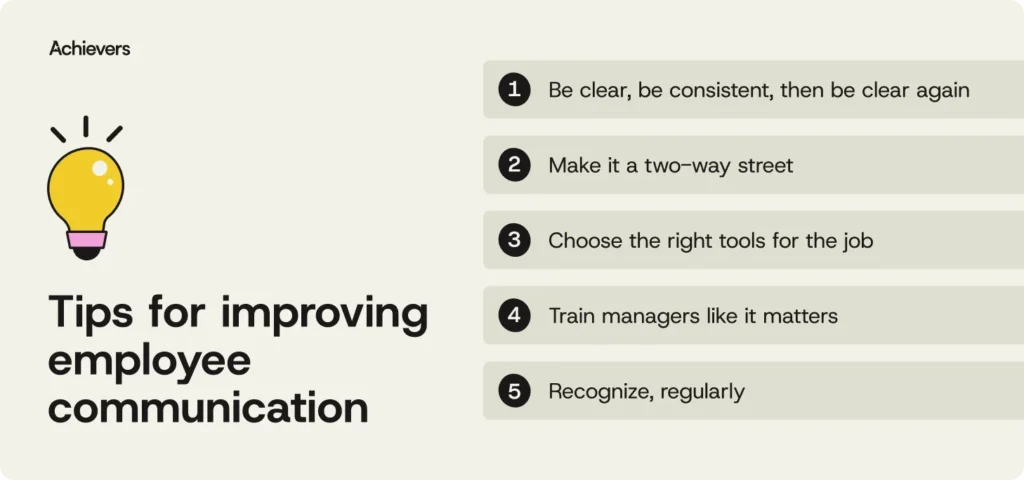
To avoid confusion, communication must be clear, concise, and directly aligned with organizational goals and actions. Setting clear expectations, utilizing appropriate communication channels, and avoiding the need for employees to navigate multiple platforms to find essential information are critical. Messages should be brief and to the point, minimizing the possibility of misinterpretation.
Embracing Two-Way Dialogue
Effective communication is inherently conversational. While open-door policies are a starting point, implementing anonymous feedback tools and conducting regular, structured check-ins provides employees with safer avenues to express their thoughts and concerns. This not only builds trust but also offers valuable insights into whether messages are being understood as intended or if they are inadvertently creating confusion.
Strategic Technology Adoption
Selecting the right communication tools for specific purposes is essential. While a plethora of platforms exists, a streamlined approach that leverages tools effectively is more beneficial than a fragmented technology stack. For instance, instant messaging platforms are ideal for quick collaborations, email for formal updates, and project management tools for task tracking. For fostering culture, feedback, and recognition, dedicated employee recognition platforms can serve as central hubs.
Investing in Managerial Communication Skills
Managers are on the front lines of communication and significantly influence employee trust and engagement. Providing comprehensive training in active listening, constructive feedback delivery, and empathetic leadership is crucial. The objective is to equip managers with the skills to foster genuine dialogue and reduce the reliance on guesswork and assumptions.
Integrating Regular Recognition
Communication extends beyond disseminating information; it encompasses expressing appreciation. Utilizing employee recognition platforms to acknowledge achievements, celebrate successes, and demonstrate that employees are valued can profoundly impact their motivation and commitment. When employees feel seen and appreciated, they are more likely to engage fully and remain with the organization.
The Transformative Power of Recognition in Communication
A robust company culture that champions open communication can be significantly bolstered by a strong employee recognition program. Recognition is not merely about boosting morale; it actively stimulates dialogue and strengthens connections. When recognition is frequent, meaningful, and publicly acknowledged, it fosters transparency, encourages authentic conversations, and enables leadership to identify and address communication gaps before they escalate into widespread misunderstandings.
Transparency and Dialogue Amplification
Public recognition highlights positive contributions and behaviors, making organizational values more tangible and visible. This transparency encourages employees to share their successes and learn from others, fostering a more collaborative environment. When employees are acknowledged for their efforts, it often sparks conversations among colleagues, sharing insights and celebrating collective achievements.
Identifying and Addressing Communication Gaps
By observing patterns in recognition—who is being recognized, for what, and by whom—leaders can gain insights into areas where communication might be lacking or where certain achievements are going unnoticed. This proactive approach allows for the early identification and resolution of communication breakdowns, preventing them from impacting broader team dynamics or project outcomes.
Fostering a Culture of Continuous Improvement
When recognition is embedded within the daily workflow, it shifts the focus from simply relaying information to actively engaging with and appreciating the contributions of team members. This creates a more dynamic and responsive communication ecosystem, where teams are not just keeping up with information but are actively participating in the organization’s progress. Platforms like Achievers are designed to facilitate this continuous cycle of recognition and communication, making the cultivation of such a culture achievable and sustainable.
The Economic Imperative: Stronger Communication, Stronger Business
The financial ramifications of poor communication are substantial. Businesses incur significant losses annually due to unclear messages, misunderstandings, and the time employees spend deciphering ambiguous directives. This inefficiency directly impacts productivity and profitability. Organizations that prioritize clear and effective communication, coupled with robust recognition practices, can mitigate these losses. By integrating communication and recognition efforts, companies can foster a culture of trust, transparency, and alignment. This leads to a more motivated workforce, fewer misunderstandings, and ultimately, stronger, more cohesive teams working collaboratively towards shared objectives and long-term success. The strategic implementation of communication and recognition tools, such as those offered by Achievers, can provide growing organizations with a competitive edge by enhancing employee engagement and operational efficiency.