
The conventional wisdom of hiring for "culture fit," once lauded as the bedrock of cohesive teams and harmonious workplaces, is undergoing a profound re-evaluation within contemporary human resources strategy. While the allure of a seamlessly integrated team, understanding unspoken norms and aligning perfectly with existing cultural tenets, remains strong, a growing consensus suggests that an overemphasis on such conformity can inadvertently stifle innovation, impede adaptability, and ultimately limit an organization’s potential. In a business landscape defined by relentless technological advancement, shifting consumer expectations, and unforeseen global challenges, the homogeneity that "culture fit" can breed risks rendering an organization static and uncompetitive. This critical shift in perspective is propelling the hiring conversation beyond mere "culture fit" towards a more dynamic and expansive concept: "culture add." This new philosophy champions the integration of individuals who, while sharing an organization’s immutable core values, distinctly contribute divergent experiences, fresh perspectives, and varied cognitive approaches, thereby enriching the organizational fabric.
The Genesis and Evolution of "Culture Fit"
The concept of "culture fit" gained significant traction in the late 20th and early 21st centuries, particularly as companies began to recognize the importance of organizational culture in employee retention, engagement, and overall performance. Early proponents argued that aligning new hires with the existing cultural norms would lead to greater job satisfaction, reduced turnover, and more efficient teamwork. The premise was straightforward: individuals who naturally fit into a company’s social and psychological environment would be happier, more productive, and less likely to depart, thereby saving recruitment and training costs. This approach often manifested in interview processes designed to assess personality alignment, shared interests, and similar communication styles, often implicitly or explicitly seeking candidates who resembled the "ideal" employee already within the organization.
For a period, this methodology was seen as a sophisticated advancement over purely skills-based hiring. Companies like Southwest Airlines became renowned for their strong, distinctive cultures and their rigorous pursuit of "culture fit," which was credited with fostering an exceptionally loyal and motivated workforce. However, as the global economy grew more complex and the pace of change accelerated, the limitations of an overly rigid "culture fit" model began to surface.
The Unforeseen Costs of Conformity: The Pitfalls of Misguided "Culture Fit"
While the intention behind "culture fit" was largely positive—to build cohesive and productive teams—its practical application often led to unintended consequences. A primary criticism emerged around the concept’s propensity to foster homogeneity. When recruiters and hiring managers prioritize candidates who "look, think, and behave like those already inside" the organization, they risk creating echo chambers where diverse viewpoints are absent and critical challenges to the status quo are muted. This "mini-me" syndrome can become a significant barrier to innovation. Research from various institutions, including Harvard Business Review and McKinsey & Company, consistently indicates that diverse teams—encompassing diversity of thought, background, experience, and demographics—outperform homogeneous ones in problem-solving, creativity, and financial performance. For instance, a 2018 McKinsey report, "Delivering Through Diversity," found that companies in the top quartile for ethnic and cultural diversity on executive teams were 33% more likely to have industry-leading profitability.
Moreover, a narrow interpretation of "culture fit" can lead to unconscious biases creeping into the hiring process. Interviewers might subconsciously favor candidates who share their alma mater, hobbies, or social backgrounds, overlooking highly qualified individuals who simply do not conform to an unarticulated "norm." This not only limits the talent pool but can also lead to discriminatory practices, alienating promising candidates from underrepresented groups. The legal and ethical implications of such practices have become increasingly scrutinized, pushing organizations to adopt more objective and inclusive hiring methodologies. The danger lies in transforming what should be an assessment of alignment with core values into a preference for superficial similarities, inadvertently screening out the very people who could inject vitality and novel solutions into the workplace.
The Rise of "Culture Add" and DEI Imperatives
The growing recognition of these pitfalls, coupled with an increasing global emphasis on Diversity, Equity, and Inclusion (DEI), has catalyzed the shift towards "culture add." This paradigm actively seeks out individuals who not only resonate with an organization’s fundamental ethical principles and mission but also bring a distinct flavor—a unique blend of experiences, skills, and perspectives—that enriches the existing culture. It’s about consciously seeking out differences that can stimulate growth, challenge assumptions, and broaden the collective intelligence of the team.
This strategic pivot is not merely a philanthropic endeavor; it is increasingly seen as a business imperative. Organizations operating in a globalized, rapidly changing market need agility, resilience, and the capacity for continuous reinvention. These qualities are inherently linked to diversity of thought. A workforce composed of individuals from varied backgrounds—different educational paths, cultural origins, socioeconomic experiences, and professional trajectories—is better equipped to understand diverse customer needs, anticipate market shifts, and innovate disruptive solutions. This expanded perspective allows companies to tackle complex problems from multiple angles, leading to more robust decision-making and enhanced competitive advantage.
Balancing Core Values with Diversity of Thought: A Nuanced Approach
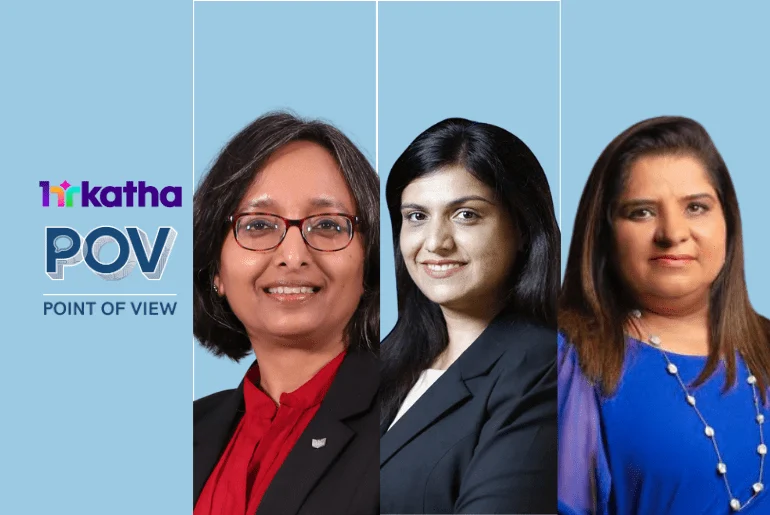
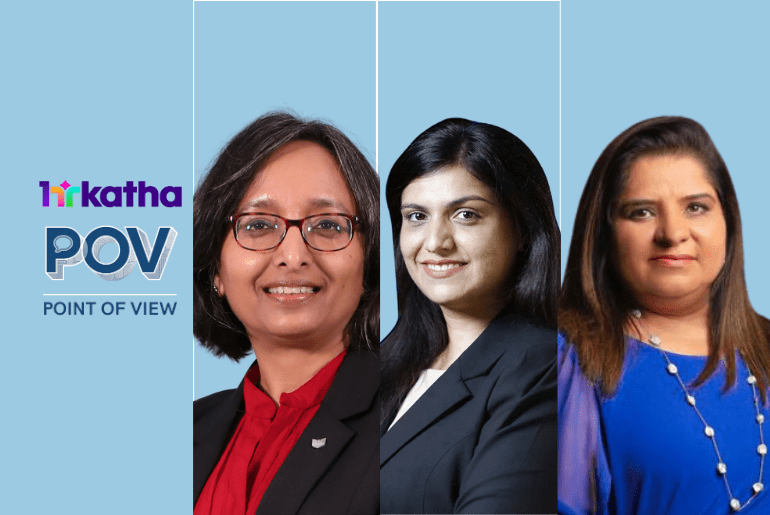
The transition to "culture add" does not, however, imply abandoning the importance of shared foundational principles. Rather, it demands a more sophisticated understanding of what truly constitutes an organizational "fit." As Shikha Rai, Head – HR & IT, Canon India, astutely points out, a delicate balance is required. "Diverse interests, opinions, and ways of looking at things are essential because they drive innovation. Organisations need people who think differently and bring different expectations. From that perspective, looking beyond traditional culture fit makes sense." Yet, Rai emphasizes that the "fundamentals of culture must remain intact."
For Canon India, these fundamentals include non-negotiable principles such as "respect for people," "punctuality" (particularly significant in a Japanese organizational context), and "integrity," with "zero tolerance for dishonesty." These are the ethical anchors that define the organization’s identity and guide its operations. When hiring, Canon India conducts rigorous background verification specifically to assess alignment with these core values, complementing this with psychometric assessments to enhance objectivity. The distinction Rai draws is crucial: "Culture fit should not mean hiring people who resemble those already in the organisation. It should establish alignment on the values the organisation is unwilling to compromise. Culture add can then bring the diversity of thought needed to challenge assumptions, innovate and evolve." This approach ensures that while the ethical and operational bedrock remains solid, the intellectual and experiential landscape is continuously enriched.

Culture as a Dynamic Force: Adapting to Change
A critical insight underlying the "culture add" philosophy is the recognition that organizational culture is not a static artifact but a living, breathing entity in constant flux. Roma Bindroo, People Director – India, Sanofi Consumer Healthcare India, challenges the myth of an unchanging culture. "Culture is what you award, what you penalise and what you ignore. That is its definition." Bindroo articulates that culture is shaped daily by leadership actions—what is recognized, rewarded, or corrected—and is continuously influenced by internal and external shifts, including changes in leadership, market conditions, and global events.
This dynamic perspective highlights why a rigid adherence to a "fixed" culture can be detrimental. Different stages of an organization’s journey demand different cultural attributes. A startup culture, prioritizing agility and rapid iteration, will differ significantly from the culture required for a mature, publicly listed company navigating complex governance and shareholder expectations across global markets. "Organisations that adapt their cultures and build talent in line with that evolution become stronger over time," Bindroo asserts. "You build a culture for what needs to get done today, but it has to remain agile enough to shift towards what will be needed tomorrow." This necessitates a continuous infusion of diverse perspectives, challenging leaders to transcend their own biases and create space for individuals who can constructively question existing norms and contribute to the ongoing evolution of the organization.
The Crucial Role of Inclusion and Psychological Safety
The mere act of hiring for "culture add" is only the first step; its true potential is unlocked through genuine inclusion. Deepali Bharadwaj, Regional HR Director, IHG Hotels & Resorts, underscores this vital connection. "Asking people to align with company values while also bringing fresh ideas and diverse viewpoints is fundamentally what inclusion is about." Bharadwaj draws a critical distinction between representation and inclusion: "representation tells us who is in the organisation, while inclusion tells us how people experience being there."
For "culture add" to truly flourish, organizations must cultivate an environment where diverse individuals feel not just present, but valued, heard, and psychologically safe to contribute their unique insights without fear of ridicule or retribution. Google’s extensive "Project Aristotle" research famously identified psychological safety as the single most important factor distinguishing high-performing teams. Without this safety, even the most diverse team can underperform, as members may self-censor, hesitate to challenge assumptions, or withhold innovative ideas. Bharadwaj eloquently states, "True inclusion is therefore not simply about who joins the company. It is about who thrives within it." This means creating forums for open dialogue, establishing robust feedback mechanisms, and ensuring that leadership actively champions and models inclusive behaviors. Only when different people are empowered to "belong, influence it and contribute meaningfully once they are there" can the full benefits of "culture add" be realized.
Practical Implementation and Overcoming Challenges

Implementing a "culture add" strategy requires deliberate effort and a systemic overhaul of traditional hiring practices.
- Redefining Values: Organizations must clearly articulate their non-negotiable core values, distinguishing them from superficial preferences. These values should be broad enough to accommodate diverse interpretations and expressions.
- Training Hiring Managers: Comprehensive training is essential to help managers identify potential "add" rather than just "fit." This includes training on unconscious bias, structured interviewing techniques, and asking behavioral questions that probe for problem-solving approaches and adaptability rather than just past experiences.
- Diversifying Interview Panels: Including individuals from various departments, levels, and backgrounds on interview panels can help mitigate individual biases and offer a broader assessment of a candidate’s potential contributions.
- Leveraging Assessments: As highlighted by Shikha Rai, psychometric assessments can provide objective data on cognitive styles, strengths, and potential areas of contribution, moving beyond subjective impressions.
- Focusing on Onboarding and Integration: The journey doesn’t end at hiring. Robust onboarding programs that celebrate differences, provide mentorship, and foster early connections can help new hires integrate and feel valued.
- Fostering Psychological Safety: Leaders must actively create and maintain an environment where constructive dissent is encouraged, mistakes are seen as learning opportunities, and all voices are heard and respected. This involves leading by example, actively soliciting feedback, and addressing non-inclusive behaviors promptly.
Challenges can include resistance from long-tenured employees comfortable with the existing culture, the perceived difficulty in objectively measuring "culture add," and the risk of tokenism if diversity efforts are not accompanied by genuine inclusion. These require strong leadership commitment, transparent communication, and continuous evaluation of the strategy’s effectiveness.
A Strategic Imperative for Future-Ready Organizations
The shift from "culture fit" to "culture add" is more than a semantic adjustment; it represents a fundamental re-calibration of how organizations perceive and cultivate their human capital. It acknowledges that in an era of unprecedented change and complexity, the most resilient and innovative companies will be those that embrace intellectual diversity as a strategic asset. By prioritizing core values while actively seeking out individuals who enrich the collective perspective, organizations can build dynamic, adaptable, and truly inclusive cultures. This progressive approach to talent acquisition is not merely about achieving demographic targets; it is about forging a robust, future-ready workforce capable of navigating tomorrow’s challenges and seizing emerging opportunities, ultimately driving sustained success and market leadership. The ongoing evolution of this paradigm underscores that the human element remains the most potent catalyst for organizational transformation and competitive advantage.








