The pervasive influence of employee recognition is demonstrably evident across all facets of an organization, from tangible performance metrics and morale surveys to the crucial element of daily motivation. This foundational practice fundamentally reshapes employee engagement, loyalty, and overall contribution, impacting individuals at every career stage, from those newly joining the workforce to seasoned executives. For human resources departments and senior leadership, cultivating a culture of recognition presents a highly cost-effective strategy for fostering deep engagement and retaining top-tier talent. For employees, the message is clear: when their efforts are genuinely acknowledged and appreciated, their motivation naturally escalates. Managers, in turn, find recognition to be an indispensable leadership tool; research by Gallup indicates that a significant 28% of employees prioritize recognition from their direct manager above all other forms of acknowledgment. Understanding the tangible benefits of this practice necessitates a detailed examination of its impact at each hierarchical level within an organization.
Elevating the Employee Experience Through Recognition
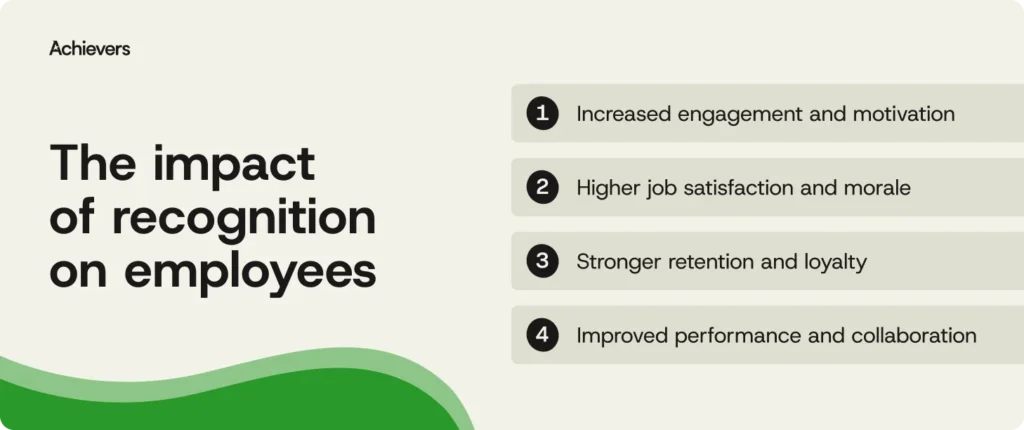
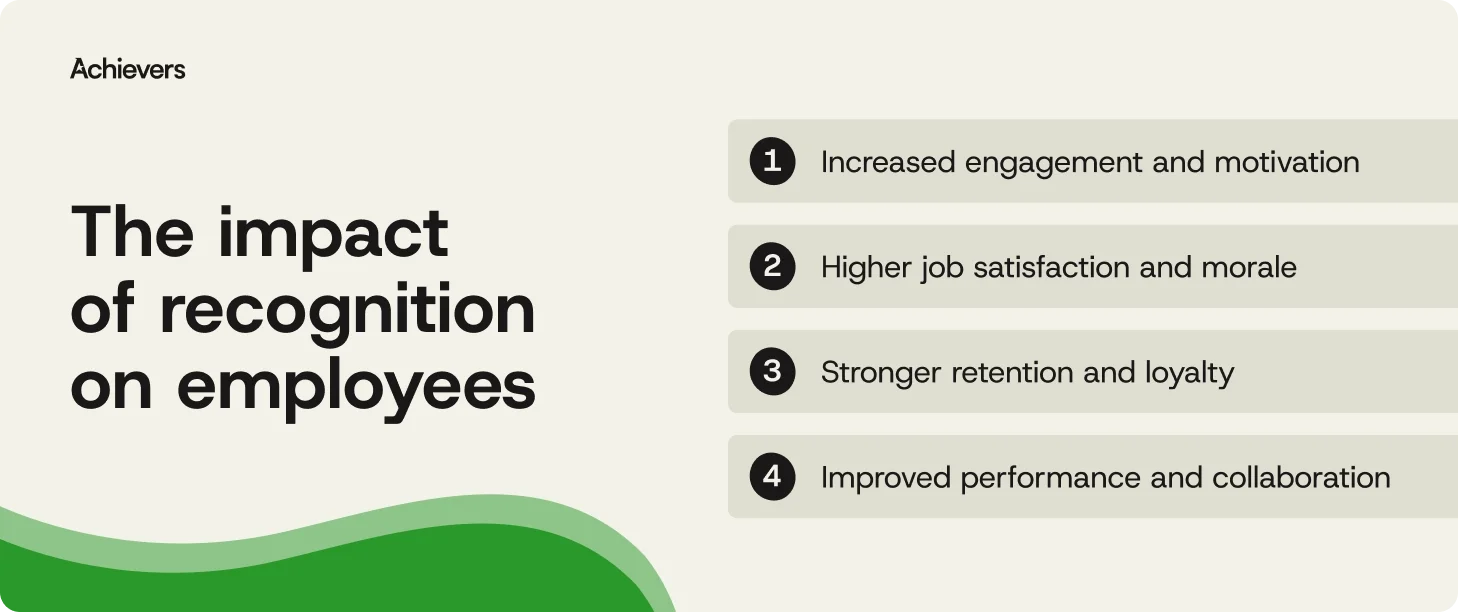
A workforce characterized by heightened engagement, unwavering loyalty, and superior performance is directly cultivated through the consistent practice of employee recognition. When individuals feel their contributions are valued, it profoundly influences their approach to their work, their interactions with colleagues, and their commitment to the company’s overarching objectives.
Boosting Engagement and Motivation: Engaged employees are not merely more productive; they exhibit greater resilience, foster stronger collaborative relationships, and demonstrate a deeper investment in achieving successful outcomes. Recognition stands as one of the most potent and immediate catalysts for amplifying this engagement. Recent surveys, such as PwC’s Global Workforce Hopes and Fears Survey, highlight a concerning trend where 26% of employees are contemplating leaving their current organization within the next year. Meaningful recognition emerges as a powerful countermeasure, effectively re-engaging and retaining these valuable individuals.
The tangible benefits include:
- Increased Productivity: Employees who feel appreciated are more likely to go the extra mile, directly impacting output and efficiency.
- Enhanced Creativity and Innovation: Acknowledged employees feel more secure in proposing new ideas and experimenting with novel approaches.
- Improved Problem-Solving: When individuals feel valued, they are more inclined to actively participate in identifying and resolving challenges.
Cultivating Higher Job Satisfaction and Morale: Employees who experience a strong sense of belonging within their workplace are significantly more likely to remain with their organization long-term, positioning recognition as one of the most economically viable retention strategies available. Forbes reports that an increasing number of HR leaders, specifically 38%, are incorporating recognition and rewards as a vital component of their total compensation discussions, acknowledging its role in rounding out the financial incentives. Recognition fosters this sense of belonging by validating employees not only for monumental achievements but also for the consistent, everyday efforts that sustain business operations.
Observable manifestations of this include:
- Reduced Absenteeism: Employees with higher job satisfaction are less likely to take unnecessary days off.
- Positive Workplace Atmosphere: A culture of appreciation contributes to a more harmonious and enjoyable work environment.
- Greater Team Cohesion: When individuals feel recognized, they are more likely to support and uplift their colleagues.
Forging Stronger Retention and Loyalty: Recognition acts as a crucial bridge, transforming short-term successes into enduring organizational loyalty. When employees perceive their efforts as seen and supported, and when they feel they are more than just a replaceable component of the organizational machinery, their propensity to stay increases substantially. Forbes data reveals that a robust sense of belonging can elevate retention rates by an impressive 43% and extend estimated employee tenure by as much as 84% – a compelling outcome achievable through the simple act of acknowledging a job well done.
The differentiating factors that contribute to this phenomenon are:
- Reduced Turnover Costs: Lower attrition rates translate directly into significant savings in recruitment and training expenses.
- Knowledge Retention: Experienced employees who stay with the company carry valuable institutional knowledge.
- Brand Advocacy: Loyal employees often become enthusiastic proponents of the company, enhancing its external reputation.
Driving Improved Performance and Collaboration: Recognition serves to clearly define what constitutes excellent work, thereby inspiring peers to strive for similar standards. However, with Gallup data indicating that only 23% of employees currently report feeling engaged, there exists a substantial opportunity to bridge this gap through more frequent and timely recognition initiatives.
The enabling power of recognition facilitates:
- Clearer Performance Benchmarks: Employees understand what behaviors and outcomes are valued and rewarded.
- Enhanced Teamwork: Recognizing collaborative efforts encourages greater synergy and mutual support among team members.
- Proactive Goal Achievement: When employees see their contributions acknowledged, they are more motivated to proactively work towards organizational goals.
Empowering Managers Through Strategic Recognition
The complexities of managing people are undeniable. Juggling competing priorities, meticulously coaching performance, and consistently maintaining high levels of morale place managers in a perpetual balancing act. While recognition may not be a panacea for all management challenges, it provides managers with one of the most effective, albeit often underestimated, tools for exemplary leadership.
Achieving Better Team Performance: The correlation is direct and powerful: when managers extend more recognition, their teams invariably deliver superior results. This principle is underscored by the State of Recognition Report (SOR), which found that employees receiving weekly recognition are 2.6 times more likely to report peak productivity, while those recognized monthly are 1.8 times more likely to achieve the same, compared to individuals who never receive any acknowledgment. Furthermore, with 91% of employees stating that recognition serves as a significant motivator for increased effort, the return on investment is exceptionally difficult to overlook.
The positive consequences of recognition fueling performance include:

- Increased Output: Motivated employees consistently produce more and higher-quality work.
- Improved Efficiency: Recognition can drive a focus on streamlining processes and optimizing workflows.
- Greater Accountability: When efforts are acknowledged, employees feel a stronger sense of responsibility for their tasks and outcomes.
Building Higher Trust and Stronger Relationships: Effective managers transcend the role of mere task facilitators; they are fundamentally builders of trust. This trust is not cultivated instantaneously but rather through consistent, meaningful actions, such as acknowledging effort at critical junctures. Research from the aforementioned report indicates that employees who receive recognition from their manager are a remarkable 19 times more likely to trust them. This profound level of trust significantly enhances the effectiveness of all managerial interactions, from providing constructive feedback to fostering seamless collaboration.
The foundational elements of trust built through recognition are:
- Open Communication: Trust fosters an environment where employees feel comfortable sharing concerns and ideas.
- Psychological Safety: Employees are more likely to take risks and admit mistakes when they trust their manager.
- Reduced Conflict: Stronger relationships built on trust can mitigate interpersonal friction within teams.
Enhancing Leadership Effectiveness: Competent managers achieve results. Exceptional managers, however, earn trust, inspire discretionary effort, and lead with unwavering clarity – and recognition plays a pivotal role in this distinction. According to the Achievers Workforce Institute (AWI), employees who would recommend their manager are four times more likely to be engaged, a clear indicator that recognition is not merely appreciated but is a memorable and impactful aspect of the leadership experience.
The ways in which recognition elevates good managers to great ones include:
- Increased Employee Advocacy: Engaged employees are more likely to speak positively about their managers and the organization.
- Improved Morale: A manager who consistently recognizes efforts fosters a more positive and uplifting team environment.
- Greater Influence: Trust earned through recognition empowers managers to more effectively guide and motivate their teams.
Simplifying Performance Management: Performance discussions need not be arduous or dreaded. Recognition fundamentally shifts the focus from identifying shortcomings to celebrating successes and acknowledging ongoing efforts, a subtle yet transformative adjustment that impacts the entire dynamic. When employees are aware that their contributions are being noticed, they are more inclined to remain motivated, proactively address performance gaps, and take greater ownership of their professional development.
Recognition facilitates this positive shift by:
- Creating a Positive Feedback Loop: Regular acknowledgment reinforces desired behaviors.
- Encouraging Continuous Improvement: Employees are motivated to maintain high standards when their efforts are recognized.
- Facilitating Constructive Dialogue: Performance conversations become more balanced, incorporating both areas for development and achievements.
Amplifying HR’s Strategic Impact Through Recognition
Human resources professionals juggle a multitude of critical responsibilities: cultivating a vibrant company culture, devising effective retention strategies, meticulously analyzing data, and acting as stewards of the employer brand. Recognition serves to streamline and significantly enhance the effectiveness of each of these vital roles. It breathes life into organizational values, transforming abstract principles into tangible, everyday actions. Furthermore, it provides real-time insights into employee engagement levels, effectively converting appreciation into a measurable and actionable metric. This leads to reduced guesswork, amplified impact, and the creation of a workplace environment that employees genuinely desire to be a part of.
Cultivating a Stronger Company Culture: Authentic organizational culture is forged in the crucible of daily interactions, and recognition plays an instrumental role in bringing this culture to life by translating core values into visible, impactful actions. It serves as a clear communication channel, signaling to employees what truly matters within the organization and underscoring the significance of their individual contributions.
The mechanisms through which recognition reinforces culture include:
- Reinforcing Core Values: Recognizing behaviors aligned with company values makes those values tangible and actionable.
- Promoting a Positive Environment: A culture of appreciation fosters a more supportive and inclusive workplace.
- Building Shared Identity: Collective recognition of achievements can foster a stronger sense of unity and shared purpose.
Improving Employee Retention Metrics: Employees are far less likely to depart from organizations where they feel seen, supported, and genuinely appreciated. Recognition is a cornerstone in achieving this sentiment. It cultivates a profound sense of belonging, providing employees with compelling reasons to remain committed to the organization.
The direct impact on retention metrics is:
- Reduced Voluntary Turnover: Employees who feel valued are less prone to seeking opportunities elsewhere.
- Increased Tenure: A culture of recognition contributes to employees staying with the company for longer periods.
- Lower Recruitment Costs: Retaining existing talent significantly reduces the expenditure associated with hiring new employees.
Providing Data-Driven Insights into Engagement: While the intrinsic value of recognition is undeniable, it also serves as a rich source of data regarding employee sentiment. Every expression of gratitude, every positive comment, and every reward generates a valuable snapshot of how employees are experiencing their work environment. For HR departments, this translates into enhanced insight, enabling more agile and informed strategic action, and significantly reducing the likelihood of unexpected challenges.
The valuable insights gleaned from recognition include:
- Early Detection of Disengagement: Patterns in recognition activity can highlight teams or individuals who may be experiencing lower engagement.
- Identification of High Performers: Consistent recognition of certain employees can identify individuals who are consistently exceeding expectations.
- Understanding Cultural Nuances: Recognition trends can reveal what aspects of the work environment are most valued by the workforce.
Enhancing the Employer Brand: An organization’s employer brand is intrinsically linked to the experiences and perceptions of its current employees. Recognition provides employees with compelling narratives to share, showcasing that individuals are genuinely valued. It demonstrates that appreciation is not exclusively reserved for senior leadership or confined to annual performance reviews, thereby fostering a more authentic and positive external perception.
The outward manifestations of recognition on the employer brand are:
- Improved Candidate Attraction: A strong reputation for valuing employees attracts higher-quality candidates.
- Positive Online Reviews: Satisfied employees are more likely to leave favorable reviews on platforms like Glassdoor.
- Enhanced Reputation: A consistent practice of recognition positions the company as an employer of choice.
Impacting Executive Strategy and Organizational Performance
Executives are not solely responsible for charting strategic direction; they are also instrumental in setting the overall tone and culture of an organization. When recognition is integrated into their leadership philosophy, it generates a measurable and positive ripple effect throughout the entire enterprise. From enhancing performance and fostering alignment to building trust and bolstering retention, recognition empowers leadership to genuinely "walk the talk," clearly communicating organizational priorities, valued behaviors, and the collective trajectory of the company.
Driving Higher Organizational Performance: The link between recognition and tangible business results is unequivocal. Companies that implement robust recognition programs demonstrate significantly higher profitability, with research from the Incentive Research Foundation indicating they are 44% more profitable than those without such initiatives. Furthermore, when employees perceive recognition from leadership, their productivity can increase by an impressive 17% to 26%.
The mechanisms through which recognition fuels organizational performance include:
- Increased Profitability: Motivated employees contribute directly to revenue generation and cost savings.
- Improved Quality of Work: Employees who feel valued are more likely to invest in producing high-quality output.
- Enhanced Innovation: A culture that rewards creativity can lead to the development of new products and services.
Achieving Better Alignment with Business Goals: While a clear strategic vision is paramount, its efficacy hinges on employees understanding how their daily tasks contribute to that broader objective. Recognition plays a critical role in bridging this gap, transforming high-level goals into concrete actions by spotlighting the specific behaviors that propel the business forward.
The ways in which recognition connects strategy to action are:
- Clarifying Priorities: Recognizing actions aligned with strategic goals reinforces what is most important.
- Motivating Strategic Execution: Employees are more motivated to pursue objectives when their efforts are acknowledged.
- Fostering a Shared Vision: Consistent recognition helps embed the company’s strategic direction into the daily work of all employees.
Improving the Employee Experience and Culture: A thriving organizational culture does not develop passively; it requires deliberate attention, intentional effort, and, crucially, consistent recognition. When this recognition emanates from the highest levels of leadership, its impact is amplified exponentially. Indeed, 77% of employees report working harder when they feel recognized by their leaders, managers, and peers, underscoring the profound influence of leadership-driven appreciation.
The positive outcomes when recognition works effectively are:
- Enhanced Employee Engagement: A positive employee experience leads to greater commitment and involvement.
- Stronger Sense of Purpose: Employees feel more connected to their work and the organization’s mission.
- Reduced Burnout: Feeling valued can mitigate stress and prevent employee exhaustion.
Building a Stronger Leadership Reputation: Individuals keenly remember how their leaders make them feel, and when employees experience genuine appreciation, the resulting trust becomes deeply ingrained. Deloitte research highlights that companies with trusted leadership significantly outperform their peers, achieving 400% greater success. This trust also makes employees 1.5 times more likely to publicly defend their company and 33% less inclined to initiate job searches. Recognition serves as a powerful signal of empathy, transparency, and confidence – qualities that are highly sought after and respected in leadership.
The ways in which recognition builds trust and credibility include:
- Demonstrating Empathy: Acknowledging challenges and efforts shows leaders understand employee experiences.
- Promoting Transparency: Openly recognizing contributions fosters a sense of fairness and honesty.
- Boosting Confidence: When leaders recognize achievements, it instills confidence in their judgment and leadership abilities.
The Transformative Effects of Effective Employee Recognition
When employee recognition is implemented thoughtfully and consistently, its effects are far-reaching and profoundly transformative. It acts as a potent catalyst for enhanced performance, cultivates deeper interpersonal connections, and plays a pivotal role in shaping a workplace culture that individuals genuinely aspire to be a part of. Employees experience heightened engagement, managers lead with greater efficacy, HR departments gain crucial insights to inform strategic decision-making, and executives witness improved organizational alignment and demonstrably stronger results.
The strategic integration of recognition, particularly through robust platforms, elevates it beyond a mere program to an ingrained organizational habit. Companies equipped with flexible, points-based recognition tools and personalized reward options can effectively foster this cultural shift across diverse teams, geographical regions, and job functions. Furthermore, the availability of tools like ROI calculators allows organizations to precisely quantify the tangible benefits and financial returns generated by their recognition initiatives. By experiencing firsthand how recognition can elevate performance at every organizational level, businesses can unlock new potentials for growth and employee satisfaction.