Digital performance management systems have fundamentally reshaped how organizations perceive, quantify, and manage employee performance. The advent of sophisticated software solutions has streamlined the entire performance management lifecycle, benefiting administrators, managers, and employees alike. However, navigating the crowded and often complex landscape of performance management technology requires a strategic approach. This comprehensive guide aims to equip HR professionals and business leaders with the essential considerations and insights needed to identify the optimal performance management software for their unique organizational needs.
Understanding Performance Management Systems
At its core, a performance management system encompasses the processes and tools designed to foster employee growth and improve business outcomes. A well-implemented system not only boosts employee engagement but also amplifies their impact within the organization. It empowers managers to cultivate a deeper understanding of their team’s performance through continuous dialogue, feedback, and coaching. The overarching objectives of such software are to create a framework for consistent improvement and alignment between individual contributions and company-wide goals.
The Imperative for Performance Management Software
In today’s competitive business environment, achieving and sustaining employee success is paramount. This extends beyond mere task completion; it involves cultivating a high-performing team culture. Organizations still relying solely on annual performance reviews are likely missing crucial opportunities for ongoing development and engagement. The shift towards a continuous performance management approach is no longer a trend but a necessity, fostering a more dynamic, engaging, and actionable process.
This evolution towards continuous performance management yields several critical benefits:

- Enhanced Employee Engagement: Regular feedback and goal alignment keep employees connected to their work and the company’s mission.
- Improved Productivity and Output: Clear expectations and ongoing support help individuals and teams perform at their peak.
- Proactive Issue Resolution: Continuous monitoring allows for early identification and mitigation of performance challenges.
- Stronger Manager-Employee Relationships: Consistent communication builds trust and fosters a coaching-oriented environment.
- Data-Driven Talent Development: Insights gained inform personalized development plans and career progression.
A modern performance management system transcends being a mere evaluation tool; it serves as the bedrock upon which HR professionals and organizations can adapt, improve, and drive performance across all levels.
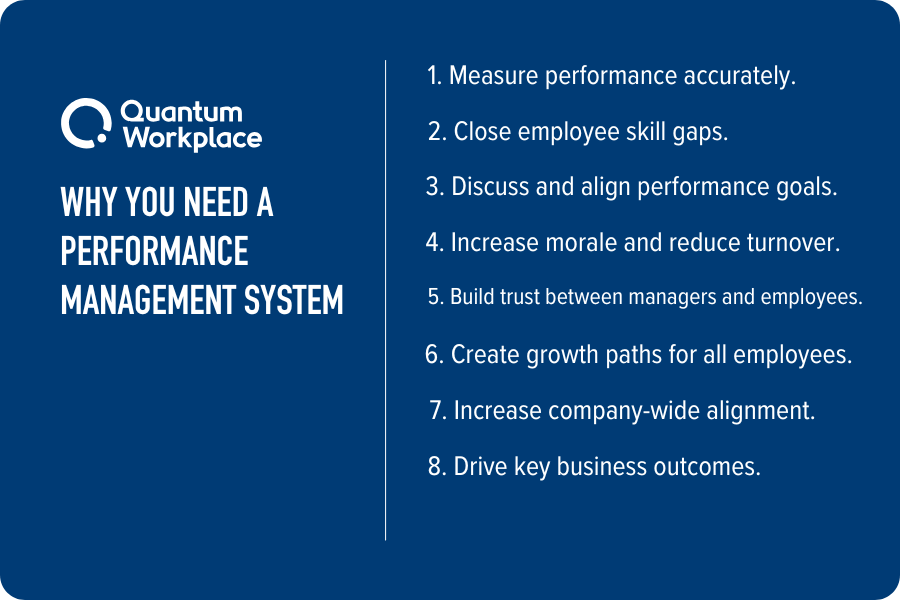
Key Benefits of Performance Management Systems:
-
Accurate Performance Measurement: While seemingly basic, achieving accurate performance measurement remains a challenge for many organizations. Lighthouse Research & Advisory data indicates that only 36% of employees fully understand their job responsibilities and performance expectations. A robust system provides the necessary clarity, aligning individual efforts with strategic organizational objectives, which is crucial for overall business performance.
-
Closing Employee Skill Gaps: A significant portion of the workforce craves more feedback and coaching. Research from Quantum Workplace shows that 50% of employees desire additional feedback. Performance management systems empower leaders to identify and address skill gaps effectively, developing targeted employee development plans that equip individuals with the tools to grow and succeed.
-
Goal Alignment and Discussion: Clearly defined performance goals are powerful drivers of engagement. Employees with individual goals are twice as likely to be engaged, according to internal research. Performance management software facilitates the discussion and alignment of personal aspirations with overarching organizational objectives, fostering a sense of shared purpose.
-
Boosting Morale and Reducing Turnover: Recognition and appreciation are vital for employee satisfaction. With only 20% of employees feeling recognized and appreciated, and half desiring more acknowledgment, a performance management system can formalize and amplify these efforts. Effective recognition programs significantly boost morale and contribute to reducing costly employee turnover.
-
Cultivating Manager-Employee Trust: Trust is the cornerstone of any successful workplace. Transparent and fair performance management practices build a strong foundation of trust, essential for robust working relationships. Organizations must prioritize providing consistent feedback, fostering manager connections, and ensuring clear visibility into performance metrics.
-
Creating Clear Growth Pathways: Every employee deserves a defined path for career advancement. Performance management systems integrate crucial elements that bring talent development strategies to life, transforming talent development from an aspiration into a structured, actionable process.
-
Enhancing Company-Wide Alignment: Quantum Workplace research consistently demonstrates that performance management significantly impacts organizational culture. Effective systems ensure that team members are aligned with the company’s mission, purpose, and strategic goals, fostering a cohesive and focused workforce.
-
Driving Business Outcomes: Ultimately, performance management software is a strategic business tool. Brandon Hall Group reports that 62% of organizations believe their current performance management processes do not effectively enhance performance. Modern systems are designed to drive the critical outcomes and key results that are essential for business success.
Essential Elements of High-Performing Software
An effective performance management system should seamlessly guide organizations through the entire performance lifecycle: planning, monitoring, reviewing, and recognizing.
1. Planning: Laying the Foundation
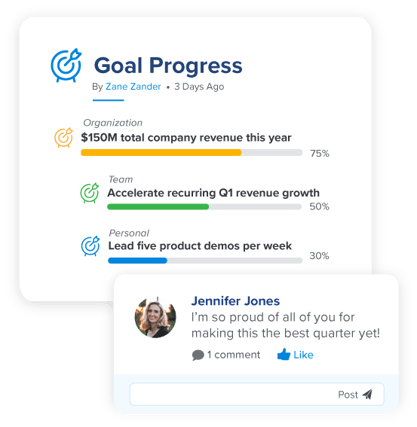
Effective performance management begins with meticulous planning. The system should facilitate the definition and alignment of employee goals with organizational objectives. Transparent and clearly communicated goals contribute to:
- Strategic Alignment: Ensuring individual work directly supports company objectives.
- Employee Motivation: Providing a clear understanding of how contributions matter.
- Accountability: Establishing clear expectations for performance.
- Development Focus: Identifying areas for growth that align with future roles.
2. Monitoring: Real-time Insights and Progress
To effectively monitor performance, organizations need access to accurate, real-time data and actionable insights. The right system enables tracking key performance indicators (KPIs) and progress towards established goals. A continuous monitoring approach helps teams:
- Identify Performance Trends: Spotting patterns and potential issues early.
- Provide Timely Feedback: Offering constructive guidance as performance unfolds.
- Maintain Momentum: Keeping employees focused and motivated throughout the performance cycle.
- Adapt to Change: Adjusting strategies and goals as business needs evolve.
The ultimate goal is to address performance challenges promptly and foster sustained productivity.
3. Reviewing: Fostering Development and Growth
The review phase is critical for employee development. An effective performance management system should facilitate efficient and meaningful performance reviews that go beyond simple appraisals. These reviews serve as a platform for constructive dialogue, including:
- Constructive Feedback: Providing balanced perspectives on strengths and areas for improvement.
- Coaching and Guidance: Offering actionable advice for development.
- Goal Setting for the Next Cycle: Planning for future performance objectives.
- Career Path Discussions: Aligning development with long-term aspirations.
Furthermore, the system should support 360-degree feedback when appropriate, providing a holistic view of an employee’s performance. The review process should be simplified, encouraging open and productive conversations, with robust documentation capabilities for historical reference.
4. Recognizing: Motivating and Appreciating Contributions
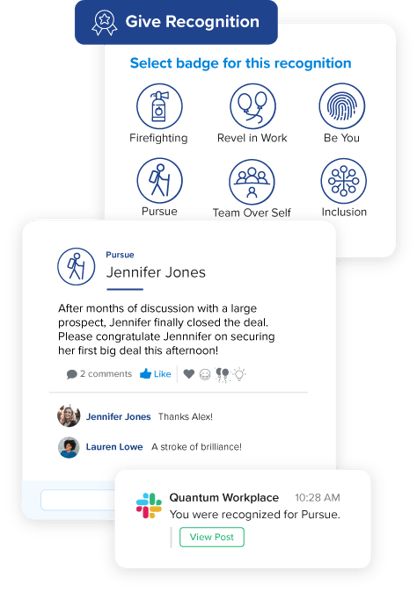
Employee recognition is a powerful driver of motivation and performance. The system should equip leaders to acknowledge and celebrate employees’ efforts. Effective employee recognition:
- Boosts Morale: Making employees feel valued and appreciated.
- Reinforces Desired Behaviors: Encouraging repetition of positive actions.
- Increases Engagement: Fostering a sense of belonging and commitment.
- Drives Performance: Motivating individuals and teams to exceed expectations.
Publicly acknowledging outstanding contributions cultivates a culture of excellence and continuous improvement.
Essential Features for Performance Management Tools
When evaluating performance management software, several key features should be prioritized to ensure comprehensive support for the entire performance lifecycle.
1. Goal Setting, Tracking, and Collaboration
Performance goals are instrumental in helping organizations achieve objectives efficiently and strategically. Clear, aligned, and shared goals provide direction, foster accountability, and ensure work remains synchronized with organizational strategy. Key features to look for include:
- Goal Cascading: Aligning individual goals with departmental and organizational objectives.
- SMART Goal Framework: Supporting the creation of Specific, Measurable, Achievable, Relevant, and Time-bound goals.
- Progress Tracking: Enabling real-time updates on goal achievement.
- Collaborative Goal Setting: Facilitating dialogue between managers and employees during goal definition.
- Goal Library: Providing templates or examples to guide goal creation.
2. Ongoing One-on-One Meetings and Performance Reviews
Documented, ongoing performance conversations provide a comprehensive view of employee progress and are directly linked to increased engagement.
One-on-One Meetings:
These meetings are ideal for discussing performance in a way that actively engages teams. Look for one-on-one meeting software that supports:
- Structured Agendas: Providing templates or customizable meeting frameworks.
- Action Item Tracking: Documenting and following up on agreed-upon tasks.
- Real-time Feedback Capture: Allowing for immediate documentation of performance discussions.
- Employee Self-Reflection Prompts: Encouraging employees to prepare and contribute to the discussion.
- Manager Coaching Tools: Providing resources and prompts for effective coaching.
Performance Reviews:
Performance evaluations should offer valuable context and focus on engagement and growth. Actionable advice is consistently cited as a highly valued aspect of reviews. Features to consider include:
- Customizable Review Templates: Adapting to different roles and departments.
- 360-Degree Feedback Integration: Gathering input from peers, subordinates, and managers.
- Self-Appraisal Tools: Allowing employees to reflect on their own performance.
- Rating Scales and Calibration Tools: Ensuring consistency and fairness in evaluations.
- Performance Summaries and Development Plans: Consolidating feedback and outlining future growth.
3. Peer-to-Peer, Real-time Employee Recognition
A significant percentage of employees would work harder if recognized more effectively. Publicly acknowledging and praising employees yields numerous benefits, including increased morale, reinforced positive behaviors, and higher engagement. However, a notable portion of employees remain dissatisfied with recognition at work. Recognition software can help foster a culture of appreciation. Key features include:
- Public and Private Recognition Options: Allowing for varied forms of acknowledgment.
- Customizable Recognition Criteria: Tailoring awards to specific company values or achievements.
- Integration with Communication Platforms: Seamlessly sharing recognition across the organization.
- Nomination Workflows: Enabling peer-driven recognition processes.
- Impact Tracking: Measuring the reach and effectiveness of recognition efforts.
4. Feedback Collection and Sharing
A strong feedback culture is directly correlated with a highly engaged workplace and builds essential trust. The right software ensures teams receive the necessary feedback for success. Continuous feedback should be individualized, constructive, and unbiased. Look for tools that facilitate:
- Continuous Feedback Mechanisms: Allowing for ongoing input outside formal reviews.
- 360-Degree Feedback Capabilities: Gathering diverse perspectives.
- Anonymous Feedback Options: Encouraging candid input on sensitive topics.
- Feedback Request Workflows: Streamlining the process of soliciting feedback.
- Feedback Summaries and Dashboards: Providing an overview of feedback received and given.
5. Vital Talent Metrics Tracking
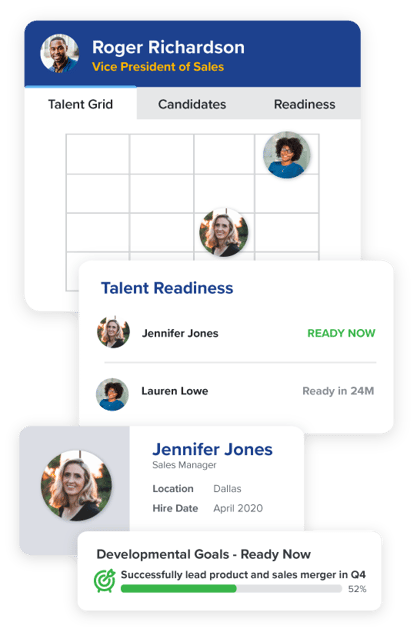
Talent reviews are essential for making informed, data-driven talent decisions. They should be frequent, unbiased, and data-rooted, providing leaders with insights into top performers, readiness for promotion, and flight risks. Talent reviews help:
- Identify High Potentials: Recognizing employees with leadership capabilities.
- Assess Performance Trends: Understanding patterns of success and areas for development.
- Inform Succession Planning: Building a pipeline for critical roles.
- Mitigate Flight Risk: Proactively addressing concerns of employees at risk of leaving.
Talent review tools can streamline this process by offering features such as:
- Talent Dashboards: Visualizing key talent metrics.
- Performance and Potential Matrices: Mapping employees based on these factors.
- Succession Planning Integration: Directly linking talent review data to succession strategies.
- Development Planning Tools: Creating personalized growth plans based on review outcomes.
6. Identifying Top Talent and Developing Successors
Proactively identifying talent gaps minimizes business disruption and fosters a culture of growth. Visibility into critical roles and available talent is the first step toward a robust succession planning strategy. This involves:
- Identifying Critical Roles: Defining positions essential for business continuity.
- Assessing Talent Pool: Evaluating current employees’ readiness for key positions.
- Creating Development Pathways: Designing targeted growth plans for identified talent.
- Risk Assessment: Understanding potential leadership gaps and mitigation strategies.
Succession planning tools integrated with performance management systems provide actionable reports on talent pipelines, readiness, and risk, enabling a clear understanding of:
- Internal Mobility Opportunities: Identifying candidates for open roles.
- Development Needs: Pinpointing skills required for future leadership.
- Bench Strength: Assessing the depth of the talent pool for critical positions.
Key Questions for Evaluating Performance Management Solutions
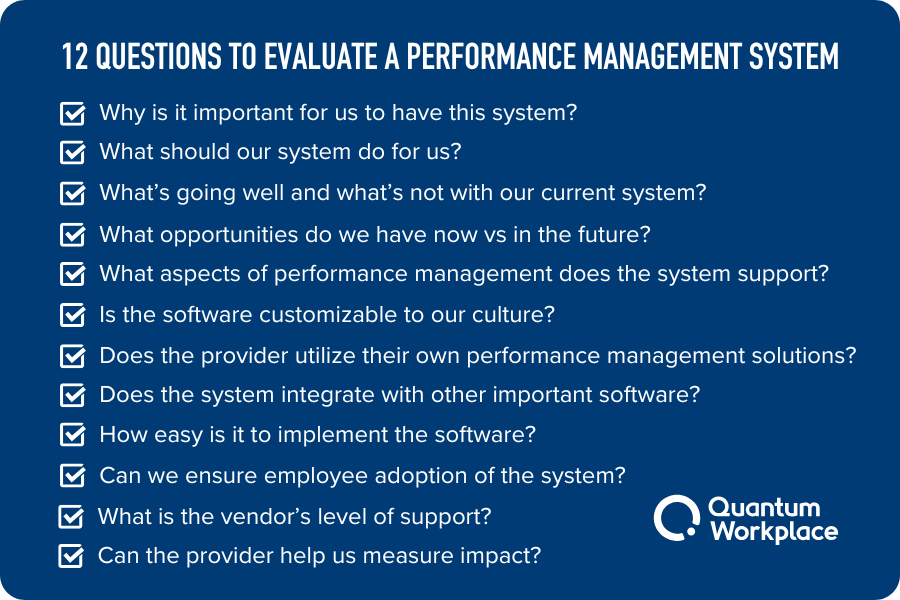
Selecting the right performance management system requires careful consideration of organizational needs and vendor capabilities. Here are crucial questions to ask:
Big-Picture Evaluation Questions
-
Why is staff performance management software important for us? Understanding the core motivations for adopting a system—be it to improve engagement, streamline processes, or drive specific business outcomes—is critical. A system should organize and prioritize activities, and its selection should align with these fundamental objectives.
.png?width=900&height=600&name=Essential-elements-of-employee-engagement-software_blog-image%20(2).png)
-
What should our performance management system achieve for us? Beyond general benefits, pinpoint the specific features and capabilities required. A system laden with unnecessary features offers little value if it doesn’t address core performance improvement and process streamlining needs. Define what success looks like, such as enhanced collaboration, better goal tracking, or more effective feedback loops.
-
What’s going well with our current system, and what’s not? A thorough assessment of existing processes, including insights from employee engagement surveys, can highlight strengths to build upon and weaknesses to address. The chosen solution should enhance existing positive aspects while effectively filling identified gaps.
-
What opportunities do we have now vs. in the future? Evaluate software options for both short-term gains (e.g., transitioning from annual reviews to quarterly check-ins) and long-term strategic advantages (e.g., building a robust succession plan, fostering a data-driven culture).
Software Evaluation Questions
-
What aspects of performance management does the system support? Ensure the software offers the tools managers need to effectively lead their teams. Gathering input from managers about their pain points and needs can uncover critical opportunities. The system should be a benefit, not a burden, to managers.
-
Is the performance management software customizable to our culture? While structure is beneficial, flexibility is key. The software should adapt to your organization’s unique and evolving culture, allowing for personalization in areas like one-on-one meeting templates, feedback prompts, and recognition programs.

-
Does the developer use their own performance management software? A vendor that utilizes its own tools demonstrates confidence in its product and likely offers superior insights into its practical application and benefits.
-
Does the performance management software integrate with other systems? Minimizing the number of disparate systems and passwords is vital. Integration, especially with your HRIS for up-to-date employee data, reduces administrative overhead and streamlines workflows. Inquire about the availability and feasibility of necessary integrations.
Service Evaluation Questions
-
How easy is implementing the performance management system? A smooth implementation process, supported by strong customer service, is crucial for gaining buy-in from managers and employees. Look for systems that prioritize ease of use and offer comprehensive support for initial setup, training, and ongoing use.
-
Can we ensure manager and employee adoption of the system? The best software will be intuitive and valuable enough to earn adoption organically. Ask potential providers about their strategies for encouraging user engagement, such as training resources, best practice guides, and user-friendly interfaces. A free trial can also be invaluable in assessing workforce needs.
-
What is the vendor’s level of support? Beyond initial setup, ongoing support is critical. Seek vendors who offer reliable, comprehensive support throughout the customer lifecycle, from sales and implementation to ongoing coaching and problem-solving.

-
Can the software provider help us measure impact? A high-quality performance management system should demonstrate its value. Ensure the software can track metrics that are important to your organization and leadership, providing clear evidence of its impact on performance and business outcomes.
Comparing Performance Management Solutions
When evaluating performance management solutions, it’s important to understand the landscape:
HRIS Solutions
Human Resource Information Systems (HRIS) offer a broad range of HR functionalities, including employee records, payroll, and benefits administration. While convenient and cost-effective for basic record-keeping, they often have limited features for in-depth performance management, lacking the specialized capabilities needed for comprehensive strategies.
Point Solutions
Point solutions are designed specifically for performance management, offering advanced features like goal setting, continuous feedback, and detailed analytics. These specialized tools enable organizations to effectively monitor and enhance employee performance.
Basic Office / Google Tools
Tools like Google Forms and Word documents are accessible and free. However, they lack the comprehensive features, automation, and analytical capabilities of robust platforms. They are suitable for very simple, ad-hoc feedback needs but cannot support sophisticated, long-term performance management strategies.

Manual Spreadsheets
While low-cost, manual spreadsheets for performance tracking are time-consuming, prone to human error, and not scalable. They make it difficult to derive actionable insights, hindering effective performance management.
The Shifting Landscape: Moving Toward Continuous Performance Management
Performance management typically falls into two categories: traditional and continuous. While a one-size-fits-all approach is rarely effective, many organizations find value in balancing elements of both.
Traditional performance management often involves annual or semi-annual reviews focused on past performance within a structured framework. In contrast, continuous performance management emphasizes regular feedback and positions managers as coaches, fostering ongoing development and agile goal adjustment.
The transition to a more continuous approach doesn’t require an immediate overhaul. Organizations can adopt a phased approach, gradually integrating more frequent feedback and coaching. Key steps include:
- Establishing Regular Check-ins: Implementing frequent one-on-one meetings.
- Encouraging Continuous Feedback: Creating channels for ongoing, informal feedback.
- Aligning Goals Dynamically: Allowing for adjustments to goals as priorities shift.
- Focusing on Development: Shifting the emphasis from evaluation to growth.
- Training Managers: Equipping leaders with coaching and feedback skills.
This evolution is an ongoing journey, and organizations should continue to iterate and build upon successful practices.

Quantum Workplace’s Performance Pathways
Recognizing that a universal approach to performance management is often ineffective, Quantum Workplace offers customizable "Performance Pathways." These frameworks enable organizations to launch robust performance management programs without starting from scratch, catering to unique organizational characteristics and performance management maturity.
Quantum Workplace’s talent management platform provides people leaders with clarity and confidence to build thriving teams. It integrates critical talent signals into actionable insights for leaders, helping them quickly identify and address gaps in the employee experience. Their performance management tools empower managers to coach effectively and drive business impact through features such as:
- Continuous Feedback: Facilitating ongoing dialogue and input.
- One-on-One Meetings: Structured conversations for performance discussions.
- Performance Reviews: Comprehensive evaluations that support development.
- Goal Management: Aligning individual and organizational objectives.
- Employee Recognition: Acknowledging contributions and fostering a positive culture.
The company’s employee engagement suite offers a holistic listening strategy through surveys, while their employee development tools provide managers with real-time insights and actionable steps. With over two decades in talent management and a reputation for customer satisfaction, Quantum Workplace stands as a significant player in the HR tech space.
Performance Management Software FAQs
What is a performance management system?
A performance management system is a structured approach and technology used by organizations to monitor, evaluate, and improve employee performance. It aligns individual goals with organizational objectives to enhance productivity and development.
Why is implementing a performance management tool important?
Implementing performance management software ensures employees receive regular feedback, understand expectations, and have clear development paths. This alignment fosters motivation and contributes to achieving organizational goals.
What are the key components of effective performance management?
An effective system typically includes goal setting, continuous feedback, performance reviews and one-on-one meetings, employee growth and development programs, employee recognition and rewards, talent reviews, and succession planning.
How does a performance management system differ from a traditional performance appraisal?
Traditional performance appraisals are often annual reviews focusing on past performance. In contrast, a performance management system leverages an ongoing process that emphasizes continuous improvement, regular feedback, and future development.
What challenges might organizations face when implementing a performance management system?
Challenges can include resistance to change, inadequate training for managers, lack of clear objectives, and potential biases in evaluations. Addressing these issues requires careful planning and communication.
How can technology enhance the effectiveness of performance management?
Technology streamlines processes by providing platforms for real-time feedback, progress tracking, evaluation reminders, and data analysis to inform decision-making. Ideally, these processes integrate into manager and employee workflows, reducing administrative burden and surfacing actionable insights to address performance barriers and opportunities.
What role do employees play in the performance management process?
Employees are active participants; they set personal goals aligned with organizational objectives, engage in self-assessment, seek feedback, and take initiative in their professional development.