The United States job market, long perceived as resilient against the disruptive forces of artificial intelligence, is exhibiting a notable shift as 2026 unfolds. While the past few years saw economic slowdowns primarily attributed to cost-cutting measures and broad economic uncertainty, emerging data indicates a more pronounced and specific impact of AI, particularly on entry-level employment and the skill sets of the modern workforce. This transition, marked by a widening unemployment gap between recent college graduates and more experienced professionals, signals a fundamental recalibration of labor demands and opportunities.
Unemployment Trends Reveal a Divergent Job Landscape
Recent government statistics paint a clear picture of a tightening labor market. The US unemployment rate has risen to 4.6% by the end of 2025, a significant increase from 4.2% a year prior—a 9.5% jump. This trend becomes even more stark when viewed over a two-year period, with the rate climbing from 3.7% in November 2023 to its current level, representing a substantial 24.7% increase. This upward trajectory is particularly concerning given the historically low unemployment rates seen in the immediate post-pandemic recovery.
This macroeconomic trend, while influenced by factors such as lingering inflation, elevated interest rates, and the impact of trade policies, appears to be revealing a more granular labor market dynamic. Deeper analysis of unemployment data, when segmented by age and experience, exposes a growing divergence. While seasoned professionals with established careers have largely maintained stable employment, recent college graduates are facing unprecedented challenges in securing their first roles.
The Growing Divide: Recent Graduates vs. Experienced Professionals
Data analysis, including visualizations from research firms like Josh Bersin’s, highlights this disparity. The unemployment rate for tenured college graduates, typically those aged 25 and above with several years of experience, has remained consistently below the overall average. These individuals, possessing a combination of established skills, professional judgment, and a demonstrated track record, continue to navigate the job market with relative stability.
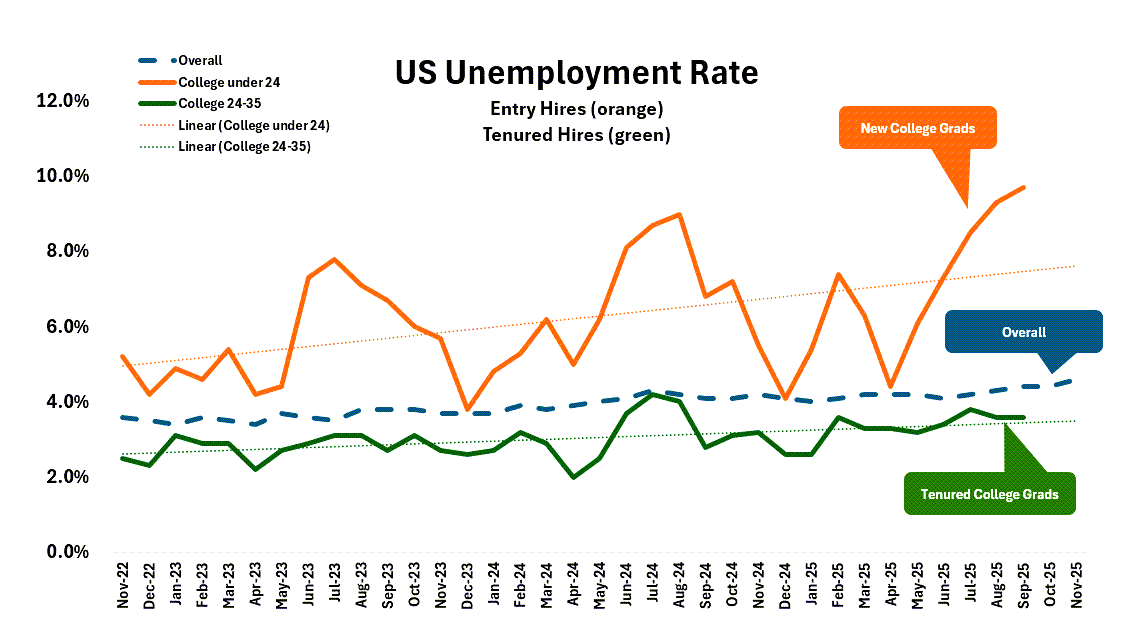
In stark contrast, the unemployment rate for new college graduates (aged 24 and younger) has shown a marked and concerning upward trend. As of late 2025, this rate is approaching 10%, a level not seen since the peak of the post-pandemic recovery in July 2021. This figure is particularly alarming when viewed in historical context. According to research from institutions like the St. Louis Federal Reserve, the last time unemployment among recent college graduates reached such heights was in 2011, a period characterized by the lingering effects of the 2008 global financial crisis and a slow economic recovery.
AI’s Indirect Influence: Shifting Educational Requirements and Job Demand
Adding another layer to this evolving landscape is the observable shift in the types of jobs available. Data from labor market analytics firms indicates that roles not requiring a college degree constitute a significant majority of the workforce, approximately 82%, a figure that has steadily increased from 79% just five years ago. This suggests a broader trend where the demand for roles traditionally filled by college graduates may be diminishing, or at least changing in nature.
While direct job displacement by AI has been a subject of debate, the indirect effects are becoming increasingly apparent. AI-powered automation and optimization are reshaping industries, leading to a re-evaluation of the skills and qualifications necessary for many roles. This means that not only is AI potentially slowing down the hiring of new college graduates, but it is also contributing to a reduction in the overall number of jobs that specifically require a four-year degree. This phenomenon suggests a potential recalibration of the value proposition of higher education in certain sectors, prompting a reassessment of career pathways for upcoming generations.
The "Trust Deficit" and AI’s Societal Impact
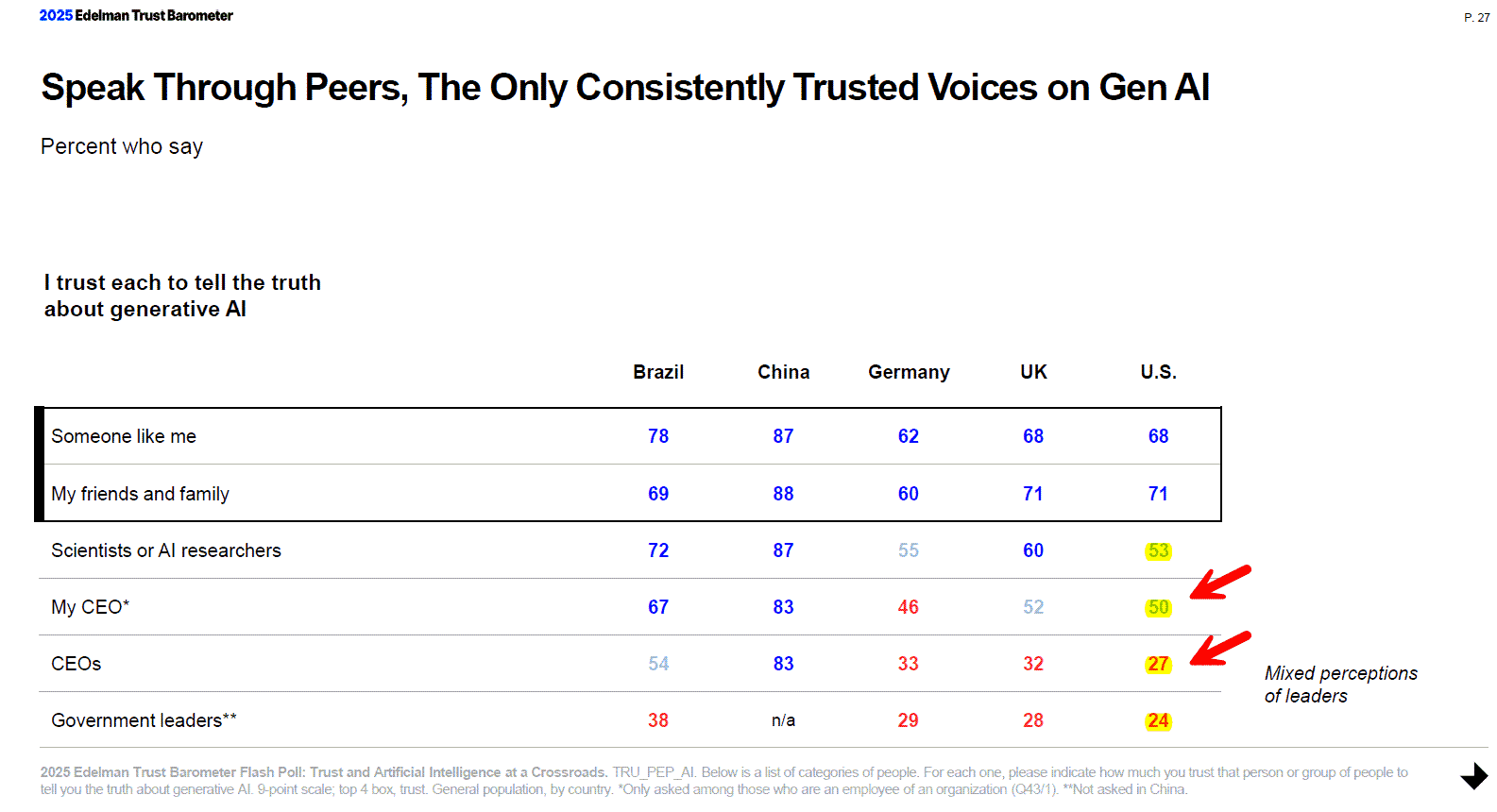
Beyond the direct economic indicators, a crucial underlying factor influencing the adoption and impact of AI in the workplace is employee trust. Recent surveys, such as those conducted by Edelman, reveal a significant "trust deficit" concerning artificial intelligence. This deficit is not necessarily about the reliability of AI platforms themselves, but rather about the perceived value and implications of AI’s integration into work.
When a substantial portion of the workforce harbors doubts or anxieties about AI’s role, it can lead to hesitancy, resistance to change, and a general decline in productivity. This is compounded by a broader sense of economic insecurity, where individuals express concerns about their job stability, career progression, and future earning potential. The psychological impact of this uncertainty, often amplified by anxieties surrounding AI, can inadvertently stifle economic productivity.

AI as a Socio-Technological Innovation: Rethinking the Workforce
Experts in human capital and organizational development emphasize that AI should be understood not merely as a technological tool but as a "socio-technological innovation." Its implementation has profound societal and sociological ramifications that extend far beyond the efficiency gains often highlighted by technology providers. The integration of AI into daily work processes, from AI-powered communication tools and personalized email generation to avatar-based interviews and AI-informed performance reviews, necessitates a significant adaptation from employees.
The accelerating pace of AI development means that by 2026, workplaces will likely see even more advanced applications, including digital twins, sophisticated robotics, and hyper-realistic animations of human workers. These advancements, while offering potential benefits, also contribute to the ambient anxiety surrounding job security and the future of work.
Navigating the AI Era: The Rise of the "Superworker"
In response to these evolving dynamics, a new paradigm is emerging: the "superworker." This concept suggests that AI is not inherently a "job killer" but rather a powerful "job leveler," democratizing access to information and expertise. For younger workers, who have grown up with digital technologies and AI, this presents an unprecedented opportunity. By leveraging AI tools, they can rapidly acquire knowledge, conduct in-depth research, and potentially transition from an "apprentice" role to an "expert" status much faster than previous generations. The ability to thoroughly research a company before an interview, for instance, is now within reach for all candidates, irrespective of their prior access to insider information.
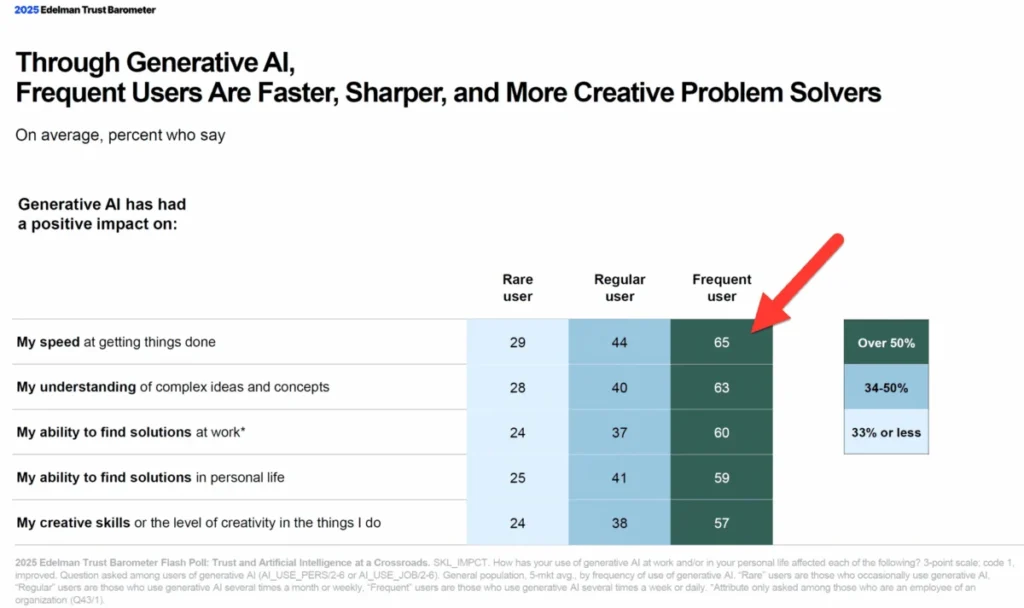
Similarly, tenured professionals are also being challenged to embrace this shift. The reliance on experience alone is becoming insufficient in a rapidly evolving professional landscape. These individuals are encouraged to proactively engage with new technologies, tools, and advancements within their respective fields. Research indicates a strong correlation between frequent AI usage and a greater sense of problem-solving efficacy and work efficiency. Individuals who actively use AI tools are nearly three times more likely to report finding solutions at work and more than twice as likely to state they can complete tasks faster.
Implications for Employers and HR Leaders
The current job market presents critical considerations for employers and HR leaders. A key concern is the "tenure trap," where organizations might overlook the potential of younger, AI-adept candidates in favor of more experienced employees. While tenured professionals may possess deep institutional knowledge, their approach to AI might be focused on optimizing existing processes rather than fundamentally rethinking them. Conversely, newer employees, unburdened by established routines, may readily adopt AI to discover entirely new and more efficient ways of working, driving innovation.
HR departments and recruiters are advised to recognize this potential. Younger workers, often more adaptable to new technologies, may demonstrate faster learning curves and contribute to productivity gains at a more accelerated rate. Identifying and nurturing these "AI pioneers" could be instrumental in building a future-ready workforce capable of driving significant organizational growth.
For CEOs and executive leadership, fostering an environment of transparency and honesty regarding AI integration is paramount. The data suggests that AI is more likely to be a "scaling technology," augmenting human capabilities rather than eliminating jobs outright. By communicating openly and supportively about the company’s AI strategy, leadership can foster greater employee adaptability and ensure the organization remains competitive in the face of technological advancements. A candid approach can mitigate anxiety and encourage employees to actively participate in the transformation, ultimately leading to a more resilient and innovative enterprise.
The Path Forward: Embracing Continuous Learning and Adaptation
The evolving US job market, marked by the increasing influence of AI and a widening gap between different segments of the workforce, necessitates a proactive and adaptive approach from individuals and organizations alike. The traditional pathways to career success are being redefined, emphasizing continuous learning, technological fluency, and a willingness to embrace change.
The insights from this period underscore the critical need for ongoing professional development and a commitment to lifelong learning. As AI continues to permeate various sectors, the ability to acquire new skills, adapt to new tools, and critically assess the impact of technology will be paramount for navigating the future of work. For employers, fostering a culture that supports this continuous learning and encourages experimentation with AI will be key to unlocking the full potential of their workforce and maintaining a competitive edge in the dynamic economic landscape of the coming years. The era of the "superworker" is not a distant future, but a present reality that demands immediate attention and strategic foresight.