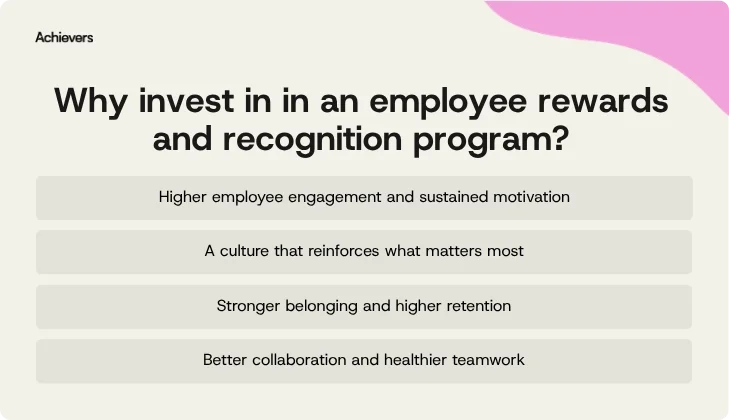
The modern workplace is undergoing a profound transformation, marked by evolving employee expectations, fierce competition for talent, and a persistent focus on organizational culture. In this dynamic environment, a well-designed employee rewards and recognition program has emerged as far more than a morale-boosting initiative; it is a strategic imperative that demonstrably drives engagement, elevates performance, and significantly improves retention rates. Yet, not all recognition efforts yield the desired results. The critical differentiator between a program that merely "sounds good" and one that truly works lies in the nuanced execution of how and how often appreciation is delivered.
The Evolution of Workplace Appreciation: From Traditional Incentives to Real-time Reinforcement
For decades, employee appreciation often manifested in annual bonuses, "employee of the month" plaques, or tenure-based awards. While these gestures held some value, they frequently lacked the immediacy, specificity, and frequency required to foster a consistently engaged workforce. The prevailing view was often that compensation alone was the primary motivator, with recognition serving as a supplementary, often sporadic, add-on. This historical approach, while well-intentioned, often failed to capture the ongoing, daily contributions of employees or to adapt to the changing psychological needs of the workforce.
However, a growing body of research, including the comprehensive "State of Recognition Report" from Achievers Workforce Institute, has systematically dismantled this traditional perspective. This research underscores a fundamental shift in understanding employee motivation: when individuals are recognized weekly, they are an astounding 2.6 times more likely to be performing at their absolute best. This finding highlights a pivotal insight: effective recognition is not a one-off event but a continuous process that is frequent, genuinely meaningful, and explicitly linked to the behaviors and values an organization seeks to cultivate.
This evolution is particularly pertinent in the wake of phenomena like the "Great Resignation" and the rise of "Quiet Quitting," where employees are actively seeking workplaces that offer more than just a paycheck. They demand environments where their contributions are seen, valued, and celebrated. Organizations that fail to adapt their recognition strategies risk losing top talent, suffering from decreased productivity, and fostering a culture of disengagement that directly impacts their bottom line. The global talent shortage and the increasing cost of employee turnover, estimated to be between 50% to 200% of an employee’s annual salary, further amplify the strategic importance of robust recognition programs.

Defining the Pillars: Recognition vs. Rewards in a Strategic Context
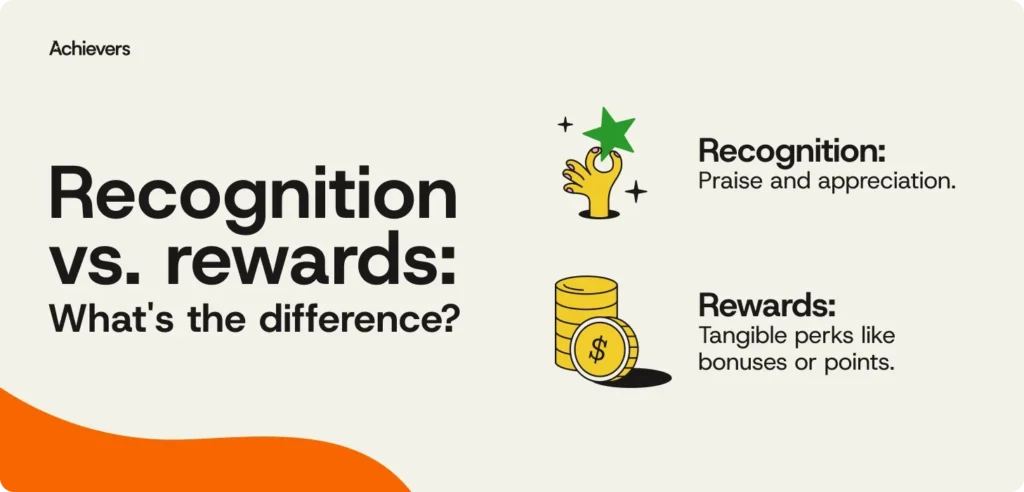
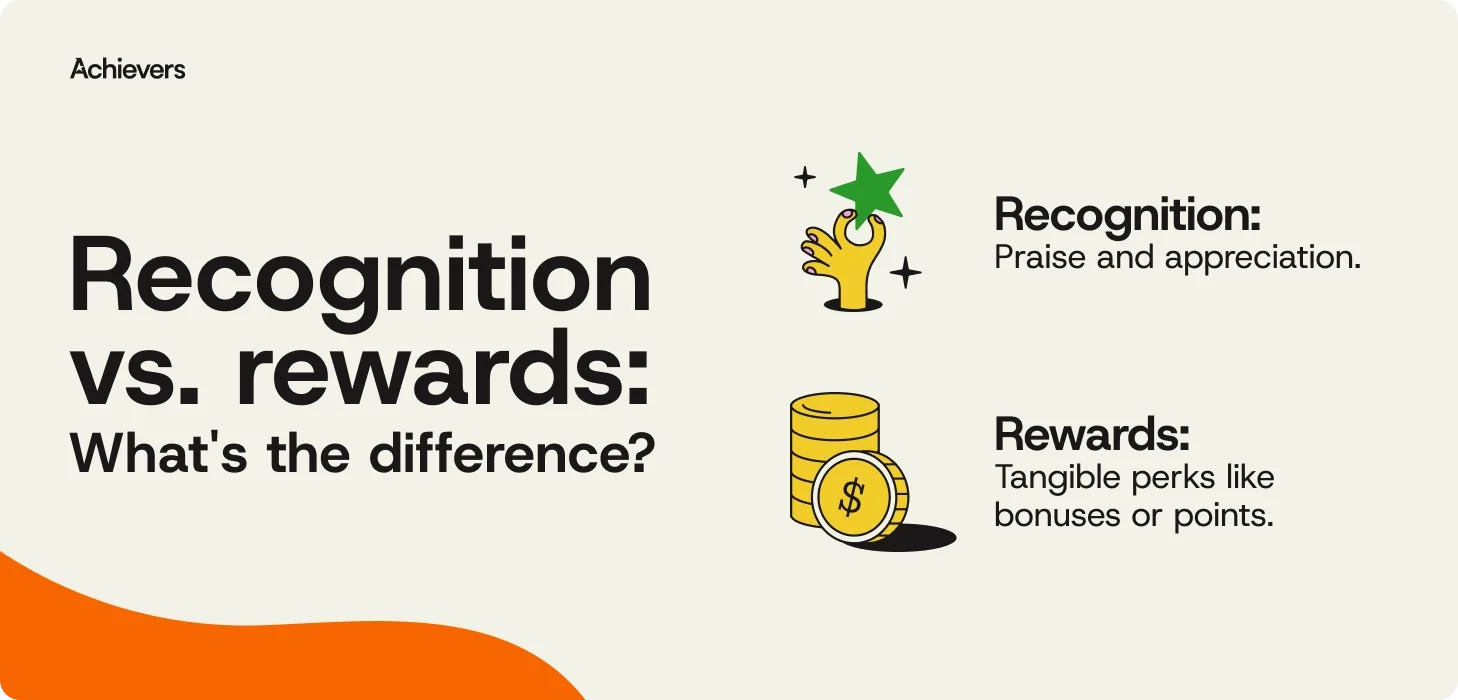
While often used interchangeably, employee recognition and employee rewards represent distinct, though profoundly complementary, components of an effective appreciation strategy. Understanding this distinction is crucial for crafting programs that deliver maximum impact and foster a truly appreciative culture.
Recognition is the act of acknowledging an employee’s effort, behavior, or results. It is inherently social, communicative, and often public. This can range from a heartfelt verbal "thank you" in a private conversation to a public shout-out in a team meeting, or a detailed message on an internal platform highlighting why a particular contribution was significant and how it aligned with company values. The power of recognition lies in its ability to reinforce desired behaviors, align individuals with organizational goals, and make exceptional work visible across teams, thereby encouraging others to emulate it. Its value is often intrinsic, fulfilling a fundamental human need to feel seen, appreciated, and a part of something larger. It builds psychological safety and a sense of belonging.
Rewards, conversely, are tangible incentives provided in conjunction with recognition. These typically include monetary components like bonuses, gift cards, points redeemable for various experiences or merchandise, or non-monetary perks such as extra vacation days or professional development opportunities. Rewards add a material layer of value to recognition, signaling that the organization not only sees the contribution but also values it in a quantifiable way. However, rewards are most effective when paired with clear, specific, and timely recognition; a reward delivered without context or a genuine expression of appreciation can feel transactional, reducing its long-term motivational impact.
In essence, recognition communicates, "I see what you did, and it mattered to our collective success." Rewards add, "And we value it materially, demonstrating our commitment to your contributions." The most potent employee appreciation programs masterfully integrate both, ensuring that timely, specific recognition is frequently accompanied by thoughtful, relevant rewards to reinforce behaviors that drive engagement, elevate performance, and secure long-term talent retention. This dual approach addresses both the intrinsic and extrinsic motivational needs of employees.
Real-world Applications: Cultivating a Culture of Appreciation
Effective recognition doesn’t require elaborate schemes or prohibitive budgets; its authenticity and strategic intent are paramount. What truly resonates with employees are gestures that are timely, deeply meaningful, and directly connected to their individual contributions and the organization’s overarching goals. Here are practical examples demonstrating how organizations can embed genuine appreciation into their daily operations:
- Intentional Work Anniversaries: Beyond a generic "Happy Anniversary" email, organizations can transform service milestones into powerful retention tools. This involves personalized messages from direct leaders and senior executives, public acknowledgment of specific achievements and growth over the years, or a choice of meaningful rewards that reflect the individual’s preferences and commitment. Celebrating milestones, from the crucial first year to decade-long tenures, reinforces loyalty and reminds employees that their dedication is valued for the long haul, tying their personal growth and journey to the company’s success story.
- Purposeful Employee Appreciation Events: Dedicated team lunches, virtual celebrations, or company-wide appreciation events provide crucial space to acknowledge employees without the pressure of a packed meeting agenda. These moments allow organizations to collectively pause, express gratitude, and strengthen interpersonal connections. The shared experience, often enhanced by food, fun activities, or inspirational speakers, fosters a sense of community and belonging that extends beyond daily tasks, reinforcing team cohesion and cross-functional relationships.
- Achievement-Focused Recognition: Promptly highlighting accomplishments—such as the successful completion of a complex project, exceeding a challenging performance goal, adeptly navigating a critical deadline, or demonstrating exceptional problem-solving—is vital. This type of recognition, whether shared in team meetings, through structured awards programs, or on internal communication platforms, not only celebrates individual success but also visibly reinforces the precise behaviors and outcomes the organization wishes to encourage and replicate. It acts as a powerful learning tool for others.
- Consistent Employee Spotlights: Implementing weekly or monthly employee spotlights offers a straightforward mechanism for regular individual recognition, moving beyond just major milestones. A brief feature in a company newsletter, a dedicated post on collaboration tools like Slack or Teams, or a segment in an all-hands meeting helps employees feel seen and appreciated. Crucially, these spotlights also serve as powerful examples, illustrating to others what exceptional work looks like in practice and fostering a culture of continuous learning and inspiration by showcasing diverse talents and contributions.
The Measurable Impact: Recognition by the Numbers
The business case for investing in robust employee rewards and recognition programs is compelling, extending far beyond subjective "feel-good" factors. Data consistently demonstrates tangible, measurable results when recognition is implemented consistently and strategically. Insights from the Achievers Workforce Institute’s "State of Recognition Report" unequivocally confirm that effective recognition scales and sticks, yielding significant improvements across key organizational metrics.
- 45% Higher Engagement with Monthly Recognition: Employees who receive recognition at least once a month are 45% more engaged than those who do not. This statistic underscores the power of consistent feedback and appreciation. Regular recognition creates a positive feedback loop, signaling to employees that their efforts are noticed and valued in real-time, rather than being relegated to infrequent annual reviews. This continuous acknowledgment fuels momentum, sustains motivation, and integrates appreciation into the everyday rhythm of work, fundamentally boosting overall employee engagement and, by extension, productivity.
- 35% Reduction in Turnover Risk with Consistent Manager Recognition: The impact of managerial recognition is particularly profound. Consistent recognition from managers reduces turnover risk by 35%. Managers serve as a direct link between employee effort and organizational objectives. When managers regularly acknowledge contributions, it builds a critical foundation of trust, provides clarity on expectations, and instills confidence in employees regarding their role and future within the company. These factors are paramount in an employee’s decision to remain with an organization or explore alternative opportunities, directly impacting talent retention and reducing recruitment costs.
- 37% Greater Likelihood of Positive Business Outcomes with Peer-to-Peer Recognition: Organizations that implement peer-to-peer recognition programs are 37% more likely to report positive business outcomes. Manager-driven recognition is essential, but it cannot fully capture the breadth of daily contributions, especially in complex, collaborative environments. Peer recognition democratizes appreciation, enabling colleagues to celebrate each other’s efforts and successes. This not only reinforces cultural values at every level but also uncovers "invisible work" that leaders might never observe, transforming recognition into a shared, collective responsibility that strengthens team cohesion, collaboration, and overall organizational performance.
- 26% Higher Success Rate for Frequent, Low-Cost Programs: Programs that prioritize frequent, low-cost recognition moments are 26% more likely to succeed than those focused solely on infrequent, high-cost rewards. While large rewards are memorable, their impact can be fleeting if not backed by consistent appreciation. Sustainable programs leverage the cumulative power of small, regular gestures of appreciation. These frequent touchpoints are easier to maintain, more adaptable, and far more effective at shaping and reinforcing desired behaviors over the long term, making appreciation an ingrained part of the company culture rather than a sporadic event.
- 60-70% Impact from Social (Non-Monetary) Recognition: Social recognition, which involves public praise, thoughtful messages, and visible appreciation without direct monetary value, can account for 60-70% of total recognition efforts and still drive significant results. This highlights a fundamental psychological truth: feeling seen and appreciated is a core human need. While monetary rewards certainly add value, social recognition is the primary driver for building deep connections, fostering a strong sense of community, and cultivating a positive organizational culture at scale. It proves that impactful appreciation doesn’t always require a hefty budget, but rather genuine sentiment and visibility.
- 96% Alignment with Company Values in High-Performing Programs: A staggering 96% of high-performing recognition programs explicitly align their recognition criteria with company values. This strategic integration ensures that recognition is not arbitrary but purposeful. By consistently highlighting behaviors that embody the organization’s mission and core values (e.g., innovation, integrity, customer-centricity), these programs effectively reinforce priorities, guide employee actions, and translate abstract values into concrete, observable behaviors that employees can model and repeat. This alignment is critical for cultural cohesion, strategic execution, and ensuring that recognition drives the right outcomes.
- 50% Higher Retention with Milestone Awards vs. Generic Tenure Awards: Recognition that acknowledges meaningful milestones—reflecting growth, impact, and significant contributions—drives 50% higher retention rates compared to generic "years-of-service" awards. This emphasizes the importance of personalization and relevance. Employees are more likely to commit long-term when recognition feels personal, acknowledges their unique journey and impact, and genuinely celebrates their evolving contributions rather than just their time spent. This shifts the focus from mere longevity to meaningful engagement.
These statistics collectively underscore a crucial insight for organizational leaders: successful recognition doesn’t necessitate an exorbitant budget. Instead, it demands intentional design, consistent execution, and a genuine, visible commitment to valuing every employee’s contribution as a strategic asset.
Building a Program That Truly Works: Practical Steps for Implementation
Crafting an employee rewards and recognition program that consistently delivers measurable results does not have to be an overly complex endeavor. With a clear structural framework, a focused approach, and an authentic commitment to fostering appreciation, organizations can create a recognition experience that genuinely resonates with employees, boosting their motivation and satisfaction.
- Prioritize Frequency and Accessibility: The cornerstone of effective recognition is its regularity. Appreciation should be woven into the daily fabric of work, not reserved for infrequent events like birthdays or annual performance reviews. The most successful programs dismantle barriers to recognition, leveraging intuitive, user-friendly platforms that empower everyone—from senior executives to new team members—to easily give and receive appreciation. This ensures that employees feel seen and supported in real-time, fostering a continuous cycle of positive reinforcement across all levels and departments.
- Ensure Specificity and Meaningfulness: Generic praise, while well-intentioned, often lacks lasting impact. Recognition becomes truly powerful when it clearly articulates what an individual did and why that action mattered to the team, department, or company goals. Instead of a vague "great job," effective recognition specifies the behavior or outcome being celebrated: "Your initiative in helping Sarah meet that critical deadline saved the project, demonstrating exceptional teamwork and problem-solving," or "Your collaborative efforts across departments significantly improved our customer satisfaction scores this quarter, embodying our value of customer-centricity." This specificity not only makes the recognition more impactful for the recipient but also provides clear examples for others to emulate, driving desired behaviors throughout the organization.
- Actively Seek and Respond to Feedback: The most robust recognition programs are dynamic and evolve over time. Regularly soliciting employee feedback—whether through structured satisfaction surveys, informal pulse checks, focus groups, or open conversations—is essential for understanding what aspects of the program are resonating and which areas require adjustment. Crucially, demonstrating that employee input directly leads to tangible changes builds trust, enhances the program’s credibility, and significantly boosts long-term employee engagement and belief in the system. Listening and following through transform a program from a top-down mandate into a collaborative, valued initiative.
- Align with Organizational Values and Strategic Goals: High-impact recognition programs are strategically aligned with the company’s core values and strategic priorities. This ensures that recognition is not arbitrary but serves to reinforce the behaviors and contributions that are most critical to the organization’s mission and success. When employees are recognized for embodying values like innovation, integrity, collaboration, or customer focus, it helps to embed these values into the daily culture, making them tangible and actionable rather than abstract concepts. This alignment transforms recognition into a powerful tool for cultural reinforcement and strategic execution.
- Train Leaders and Managers: Managers play a pivotal, often underestimated, role in the success of any recognition program. Providing them with comprehensive training on how to give timely, specific, and impactful recognition is crucial. This includes guidance on effectively utilizing recognition platforms, understanding the different types of recognition (social, monetary, formal, informal), and integrating appreciation into their regular management practices. Empowered and skilled managers become powerful advocates and daily drivers of a recognition-rich culture, setting the tone for their teams.
The Indispensable Role of Technology and Strategic Partnerships
In today’s complex, often geographically dispersed work environments, the effectiveness of an employee rewards and recognition program is intrinsically linked to the underlying platform that supports it. A well-chosen third-party solution does more than simply streamline the recognition process; it transforms appreciation into a consistent, measurable, and deeply ingrained habit across the entire organization. Such platforms are not just tools; they are enablers of cultural change.
When evaluating potential employee recognition platforms, organizations should prioritize several key features:
- User-Friendly Interface and Mobile Accessibility: The platform must be intuitive, engaging, and accessible across devices, encouraging widespread adoption and participation from all employees, regardless of technical proficiency or location. Mobile-friendliness is non-negotiable for modern workforces.
- Comprehensive Recognition Options: The platform should support diverse forms of recognition, including peer-to-peer, manager-to-employee, and formal award programs. It should also facilitate both social recognition (public shout-outs, virtual high-fives, badges) and monetary rewards (points-based systems redeemable for a wide array of desirable options).
- Seamless Integration Capabilities: Robust integration with existing HRIS, communication tools (e.g., Slack, Microsoft Teams), and performance management systems enhances usability, reduces friction, and ensures recognition is part of the natural workflow rather than an additional, isolated task.
- Robust Analytics and Reporting: A powerful platform provides actionable insights into recognition trends, program effectiveness, budget utilization, and its correlation with engagement and retention metrics. This data empowers HR leaders and management to continuously refine and optimize their programs for maximum impact and demonstrate ROI.
- Global Scalability and Customization: For multi-national organizations, the platform must support multiple languages, currencies, and cultural nuances, while offering customization options to align with specific company values and branding. This ensures a consistent yet culturally sensitive recognition experience worldwide.
- Diverse and Appealing Reward Catalog: The ability to offer a wide range of desirable rewards—from popular gift cards and merchandise to unique experiences, charitable donations, and wellness benefits—empowers employees to choose what truly motivates them, increasing the perceived value and relevance of the reward.
Platforms like Achievers exemplify how technology can supercharge recognition efforts, making it easier for organizations to foster a culture of appreciation. By providing a centralized, accessible, and data-rich environment, these solutions ensure that recognition is not an afterthought but a strategic driver of organizational success and a cornerstone of