A free coffee might offer a fleeting lift, but sustaining motivation, fostering loyalty, and inspiring peak performance within an organization demands a more robust, strategic approach. This is where advanced employee recognition platforms emerge as indispensable tools, transcending mere feel-good gestures to deliver tangible, measurable impact. Research, such as that detailed in the State of Recognition Report, unequivocally demonstrates a powerful correlation: employees who receive monthly recognition are four times more likely to envision a long-term career with their current company. This isn’t anecdotal; it’s a foundational insight shaping modern talent retention strategies.

The Evolving Landscape of Employee Appreciation
The concept of employee recognition has undergone a profound transformation. Historically, appreciation often manifested as annual bonuses, service awards for long tenure, or infrequent, top-down accolades. While these gestures held some value, they often lacked the consistency, personalization, and immediacy required to genuinely impact daily engagement and foster a pervasive culture of appreciation. The advent of the digital age, accelerated by the widespread adoption of remote and hybrid work models, has necessitated a paradigm shift. Organizations today operate across diverse geographies and time zones, with workforces composed of multiple generations, each with distinct expectations regarding feedback and acknowledgment.
In this dynamic environment, recognition must feel authentic, occur frequently, and be accessible to every member of the team, from frontline staff to the C-suite. This is precisely the void that sophisticated recognition platforms are designed to fill. They move beyond simple congratulatory messages, embedding appreciation into the very fabric of an organization’s operational workflow and cultural identity. These platforms don’t just facilitate recognition; they institutionalize it, making it a continuous, integral part of how work gets done and how people feel valued.
The Business Case for Recognition: Data-Driven Insights
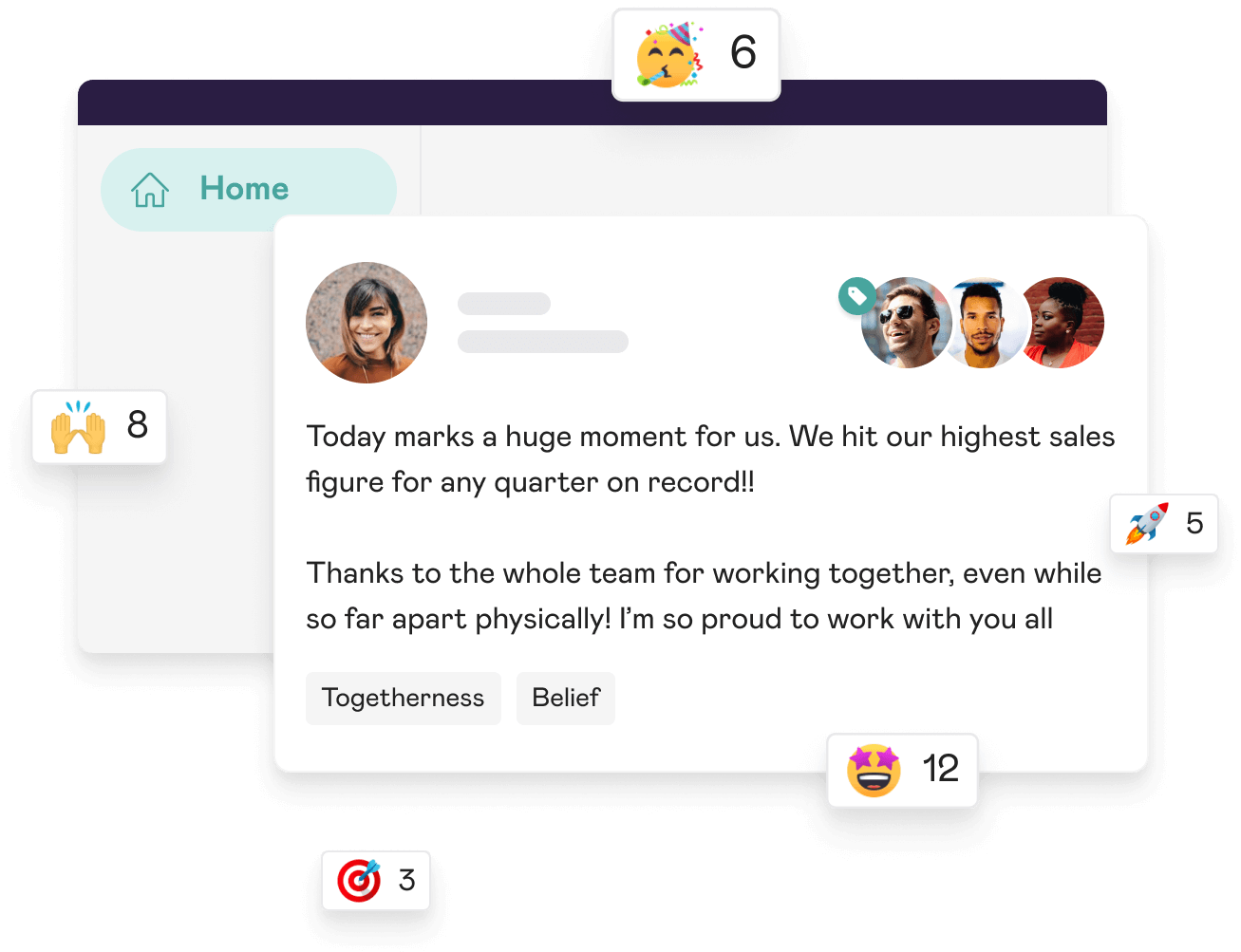
The strategic importance of employee recognition is underpinned by compelling data. Beyond the direct link to retention, robust recognition programs are proven drivers of enhanced productivity, improved customer satisfaction, and ultimately, superior financial performance. Studies by leading HR advisory firms consistently highlight that highly engaged workforces—often a direct result of effective recognition—outperform their less engaged counterparts across key business metrics. For instance, companies with strong recognition cultures report up to 14% higher productivity and 21% higher profitability. The cost of employee turnover, particularly for skilled positions, can range from 50% to 200% of an employee’s annual salary. By significantly improving retention, effective recognition platforms offer a clear return on investment, mitigating these substantial costs.
Moreover, recognition fosters a sense of psychological safety and belonging, crucial elements for innovation and collaboration. When employees feel seen and appreciated, they are more likely to take initiative, share ideas, and contribute to a positive work environment. This cultivates a virtuous cycle where positive reinforcement leads to higher performance, which in turn merits further recognition, solidifying desired behaviors and organizational values. Industry analysts widely agree that in the competitive talent market of 2020s, recognition is no longer a perk but a strategic imperative for attracting, developing, and retaining top talent.
Decoding the Modern Recognition Platform: Essential Features and Considerations
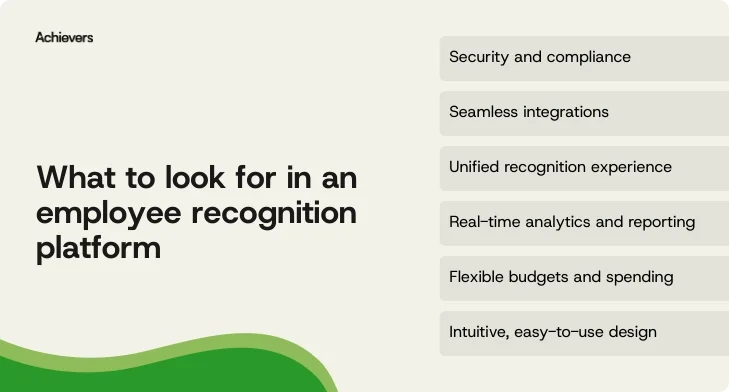
Choosing the right employee recognition platform in a crowded market can be complex. The best solutions are characterized by simplicity, impactful design, and seamless integration into existing company culture and technological infrastructure. As organizations look ahead to 2026, key considerations for platform selection include:
- Scalability and Global Reach: The ability to support diverse teams, languages, currencies, and reward preferences across multiple countries is critical for multinational enterprises and growing mid-market companies.
- Integration Capabilities: Seamless connections with existing HRIS, communication tools (Slack, Microsoft Teams, Outlook), and performance management systems ensure recognition fits naturally into daily workflows, maximizing adoption.
- Mobile Accessibility: With a significant portion of the global workforce operating remotely, hybrid, or in frontline roles, a robust and intuitive mobile application is essential for universal access and engagement.
- Behavioral Science and AI-Driven Insights: Platforms that leverage psychological principles and artificial intelligence can provide deeper insights into recognition patterns, identify potential engagement gaps, and offer personalized prompts to managers, ensuring recognition is both effective and equitable.
- Customizable Rewards Marketplace: A diverse and globally relevant rewards catalog, free from hidden markups, empowers employees to choose meaningful incentives, whether gift cards, experiences, or charitable donations.
- Robust Analytics and Reporting: Beyond tracking basic recognition counts, advanced platforms offer dashboards and reports that link recognition activity to broader business outcomes like retention, engagement scores, and performance metrics, providing actionable insights for HR and leadership.
- User Experience (UX): An intuitive, engaging, and easy-to-navigate interface encourages consistent participation from all employees, making the act of giving and receiving recognition a positive experience.
- Alignment with Company Values: The platform should enable organizations to tie recognition directly to core values, reinforcing desired behaviors and strengthening corporate culture.
- Customer Support and Success: Comprehensive 24/7 global support and a dedicated customer success model are crucial for smooth implementation, ongoing optimization, and maximizing platform value.
Spotlight on Innovation: The Leading Employee Recognition Platforms of 2026
The market for employee recognition platforms is robust, with a variety of solutions tailored to different organizational needs. Here’s an overview of 15 leading platforms shaping the landscape in 2026:
-
Achievers: (G2 rating: 4.7/5)
- Best for: Mid-market and enterprise organizations seeking a science-backed platform to connect culture and performance at scale.
- Overview: Achievers is celebrated for its customizable, scalable recognition and rewards system, underpinned by behavioral science via the Achievers Workforce Institute. It boasts the highest recognition frequency in the industry, driving significant improvements in productivity and culture. Its global rewards marketplace covers over 190 countries with 3M+ options and no hidden fees. Integrations with Microsoft, Outlook, Slack, and Workday, plus a mobile app, ensure seamless adoption.
- Weakness: Its comprehensive nature and depth of features are primarily designed for larger organizations (500+ employees), potentially exceeding the needs of smaller teams.
-
Mo: (G2 rating: 4.6/5)
- Best for: Teams fostering everyday, values-based recognition.
- Overview: Mo focuses on making appreciation a daily habit, supporting both manager-led and peer-to-peer recognition. It integrates with popular communication tools like Microsoft Teams and Slack and includes automated features for milestones and values-based recognition, using smart prompts and real-time insights to ensure consistency.
- Weakness: While strong in recognition and engagement, its rewards catalog and analytical capabilities may not be as extensive as more advanced enterprise platforms.
-
WorkTango: (G2 rating: 4.7/5)
- Best for: Organizations streamlining recognition with automation and analytics.
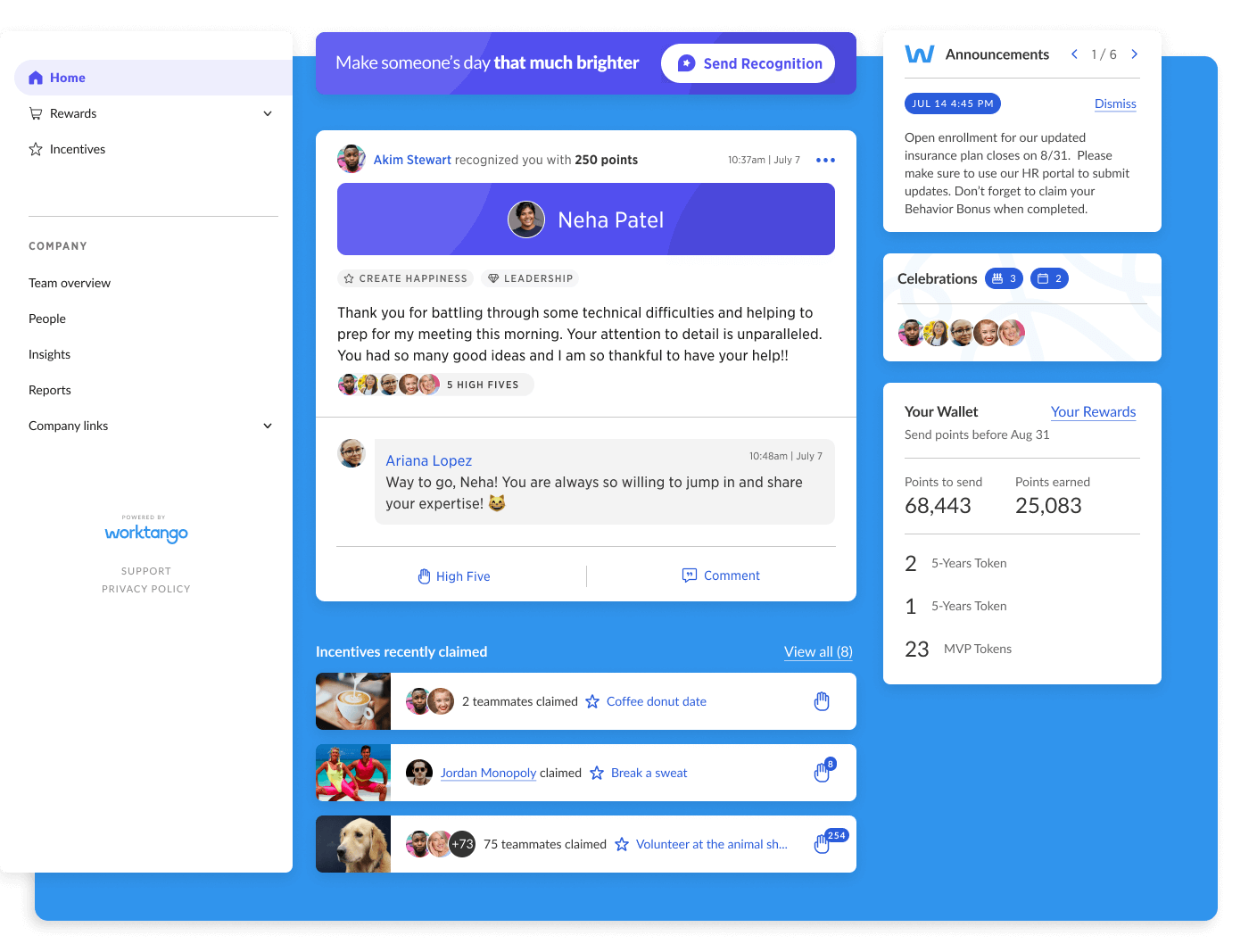
- Overview: WorkTango provides a robust platform for streamlining appreciation programs. It supports peer and manager recognition, automates milestones, and offers reporting to track activity. It integrates with collaboration tools and features a rewards marketplace.
- Weakness: May lack the deep behavioral insights, recognition frequency data, or highly advanced analytics found in more specialized mid-market and enterprise platforms.
-
Motivosity: (G2 rating: 4.7/5)
- Best for: Companies driving frequent, data-backed recognition and rewards.
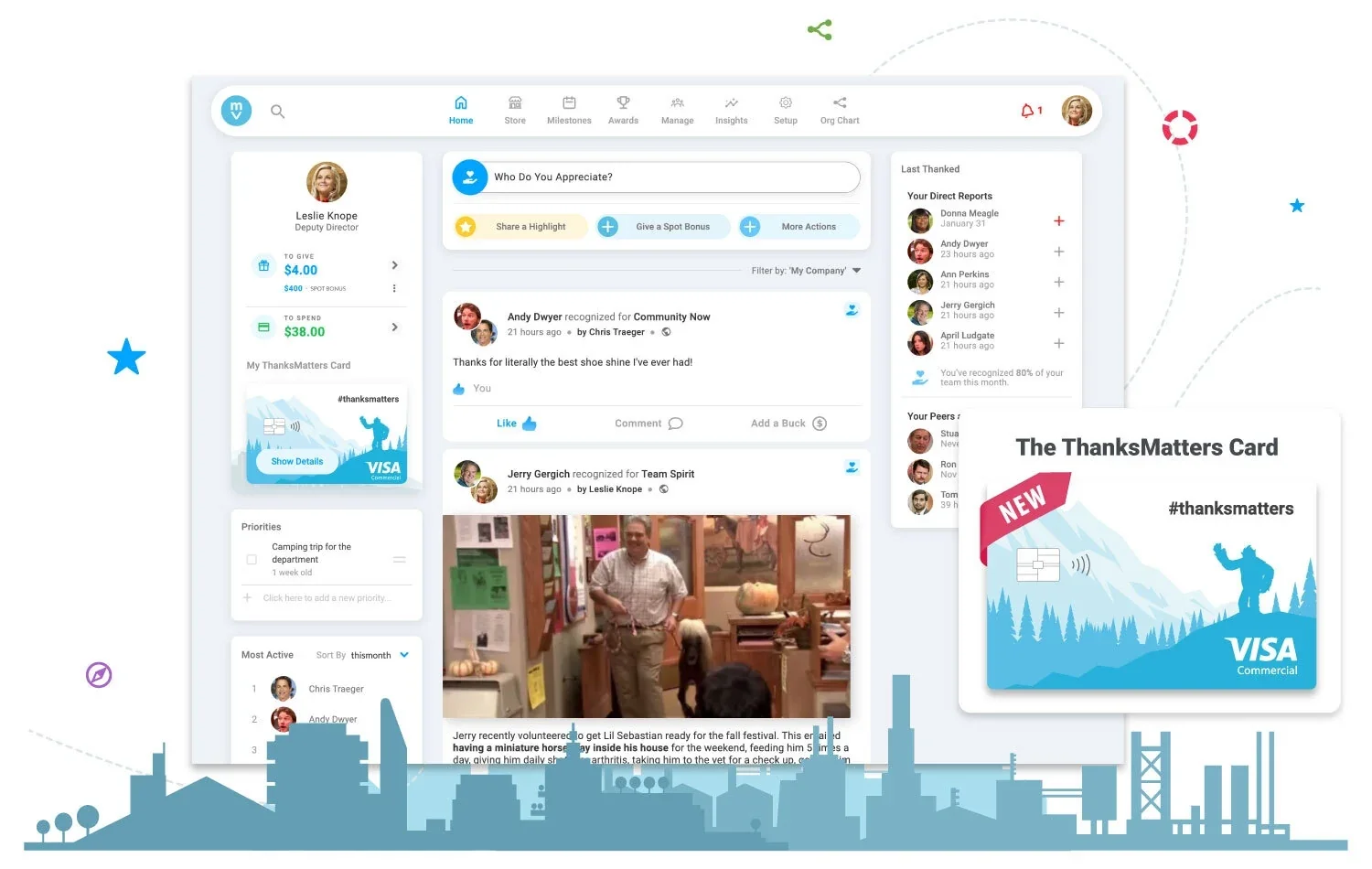
- Overview: Motivosity emphasizes automation and frequent appreciation through peer-to-peer and manager recognition, milestone celebrations, and spot bonuses. It includes tools for challenges, awards, and provides analytics to track engagement trends.
- Weakness: Its global support, enterprise scalability, and behavioral science depth might not match that of larger, more established recognition and rewards platforms.
-
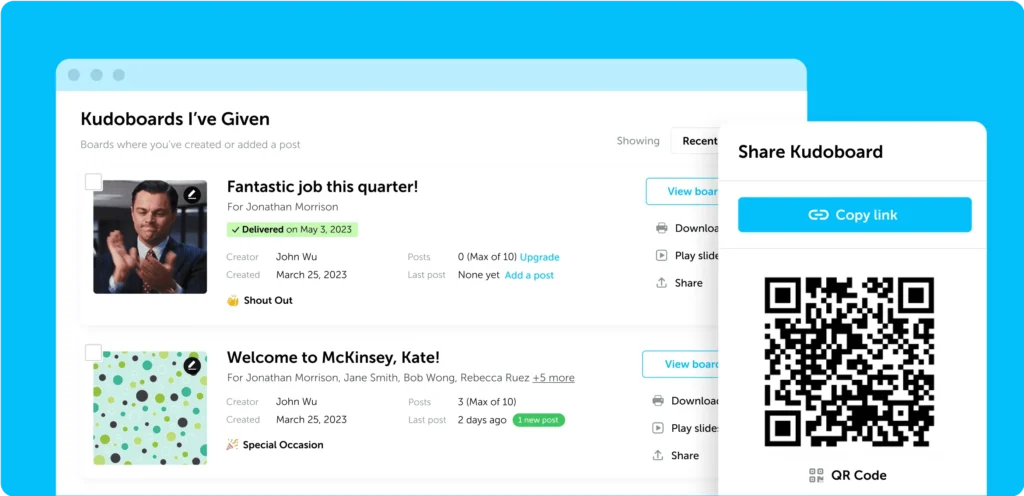
Kudoboard: (G2 rating: 4.8/5)
- Best for: Teams celebrating milestones and achievements through shared visuals.
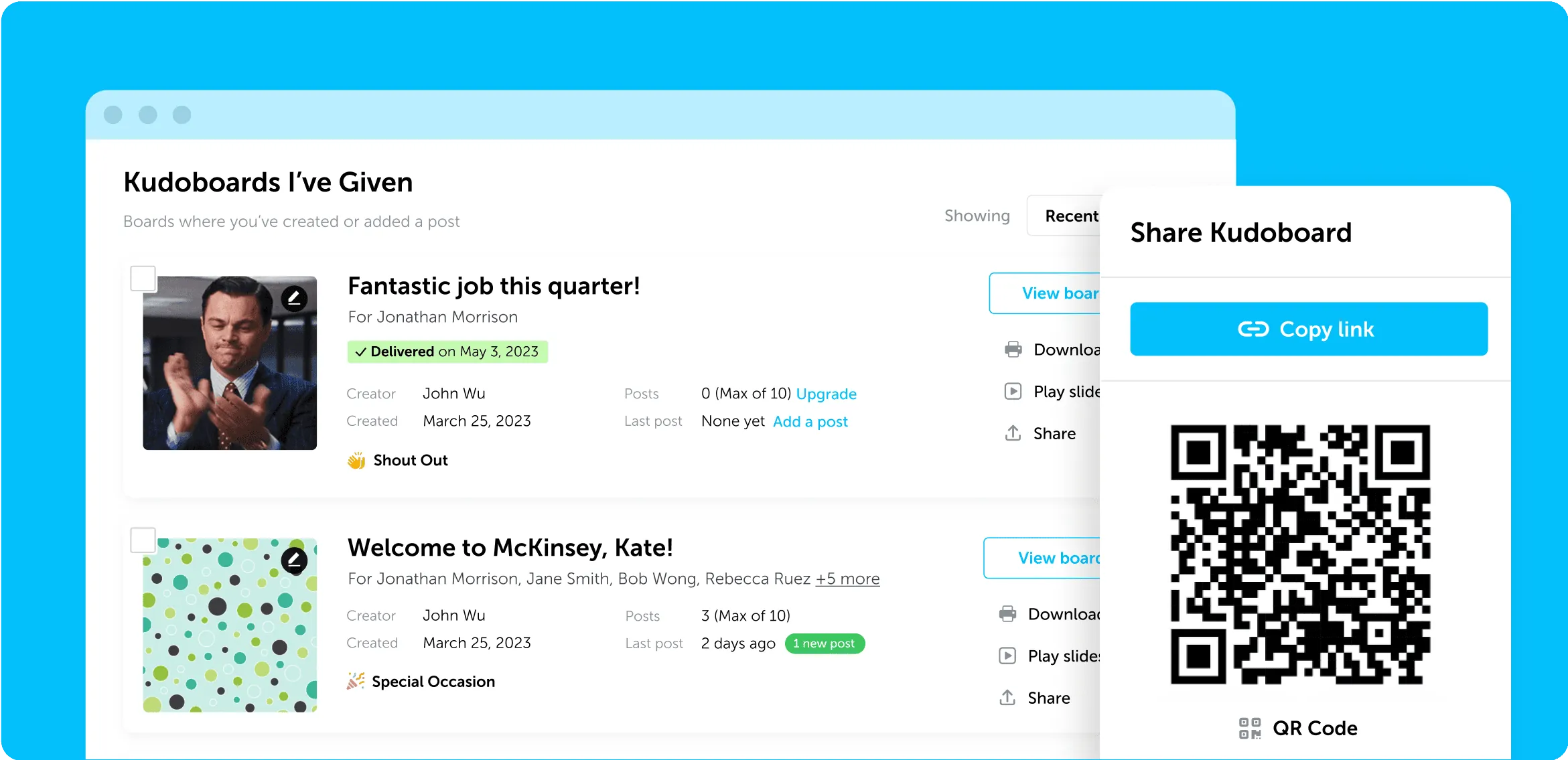
- Overview: Kudoboard offers a digital platform for group appreciation via collaborative e-cards and message boards. It simplifies celebrating milestones and everyday achievements, with automation for birthdays/anniversaries and customizable branding, ideal for hybrid or remote teams.
- Weakness: Its focus is primarily on social recognition and group celebration, potentially offering less in terms of behavioral analytics, engagement data, or comprehensive recognition insights compared to broader platforms.
-
Nectar: (G2 rating: 4.7/5)
- Best for: Organizations uniting recognition, nominations, and communication tools.
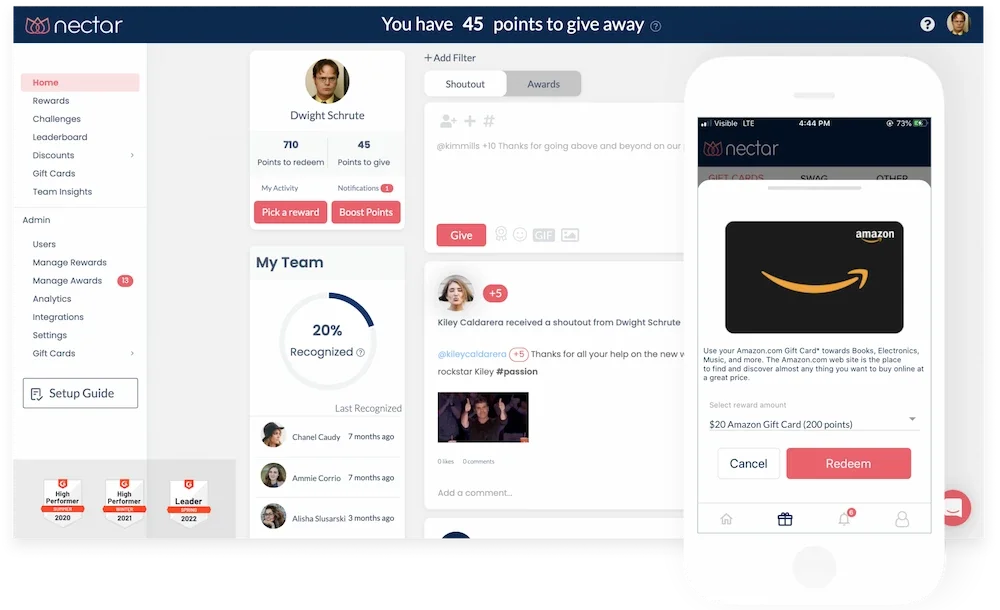
- Overview: Nectar helps build culture through frequent appreciation, supporting peer-to-peer recognition, nomination programs, and milestone celebrations. It also integrates communication tools for company-wide updates and offers customizable reward options.
- Weakness: May not provide the extensive global reach, depth of analytics, or sophisticated behavioral science insights available in more advanced, large-scale platforms.
-
Assembly: (G2 rating: 4.9/5)
- Best for: Teams embedding social, peer recognition into daily workflows.
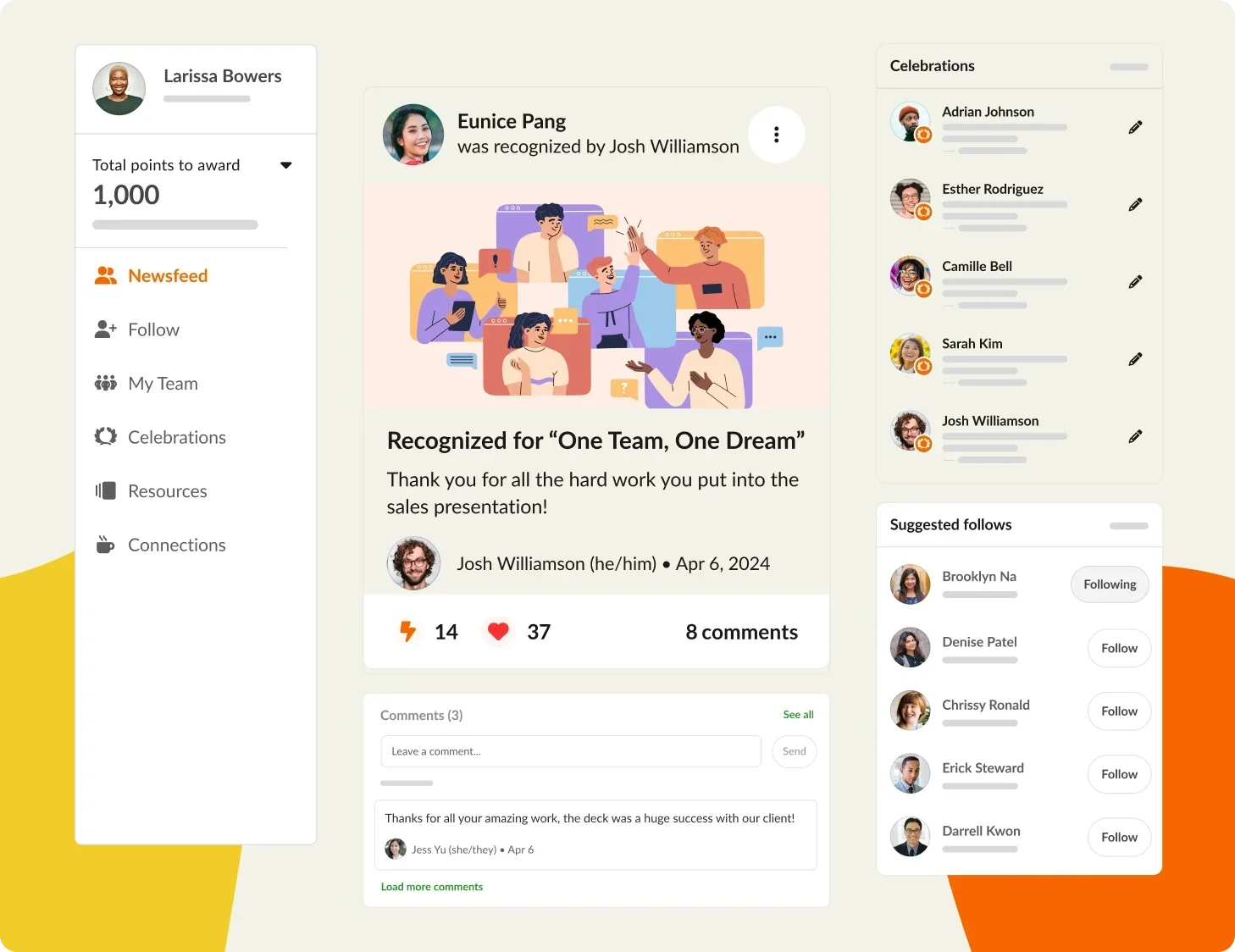
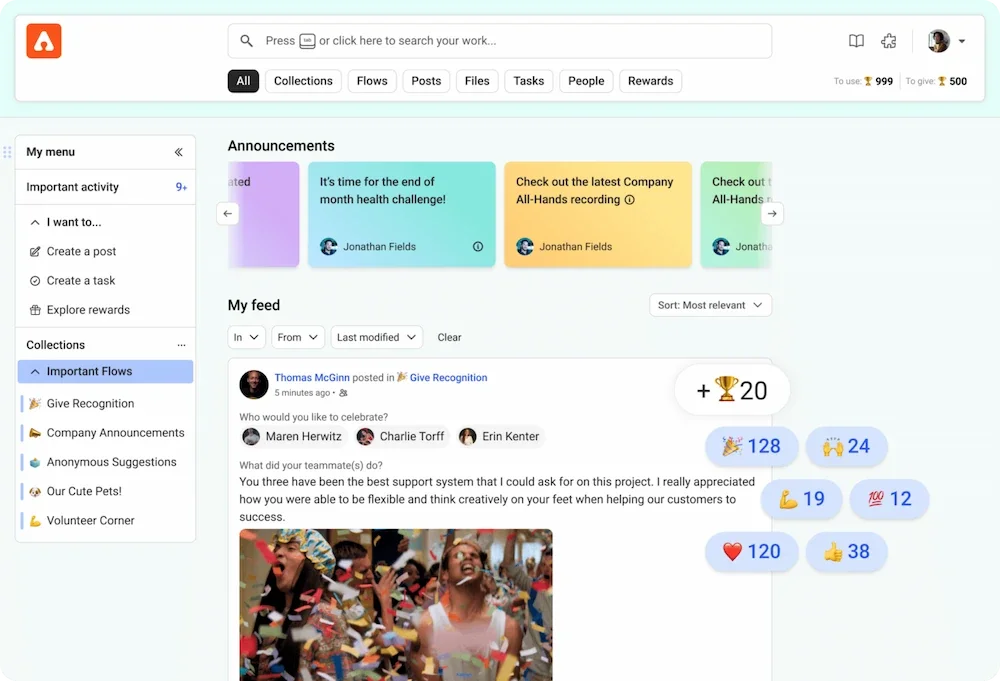
- Overview: Assembly facilitates peer-to-peer appreciation directly within Slack, Microsoft Teams, or its web platform. It creates a visible social feed for celebrations, supports awards and challenges, and provides analytics on engagement and participation.
- Weakness: Its analytical depth, behavioral insights, and large-scale customization capabilities might be less comprehensive than data-driven enterprise recognition platforms.
-
Terryberry: (G2 rating: 4.6/7 – Note: Original text states 4.6/7, assuming a typo and it means 4.6/5 or 4.6.)
- Best for: Companies combining recognition, wellness, and feedback in one platform.
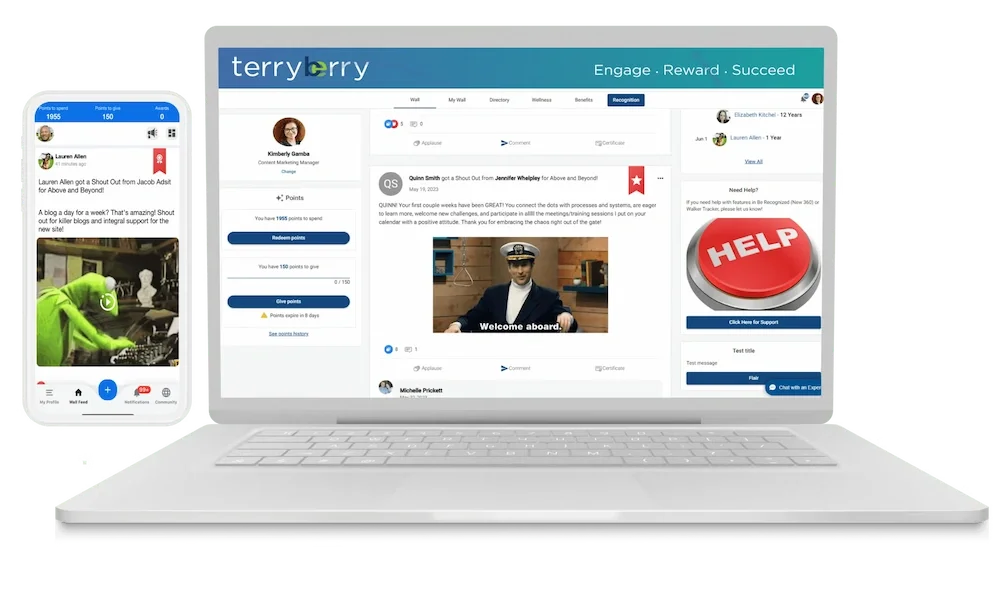
- Overview: Terryberry offers a unified platform for employee recognition, wellness programs, and feedback. It supports service awards, peer recognition, and milestones, alongside sentiment surveys and analytics for culture and eNPS measurement, blending digital and symbolic awards.
- Weakness: Might offer less specialized recognition frequency data or global marketplace variety compared to platforms focused solely on recognition.
-
Guusto: (G2 rating: 4.9/5)
- Best for: Organizations with dispersed or frontline teams needing flexible rewards.
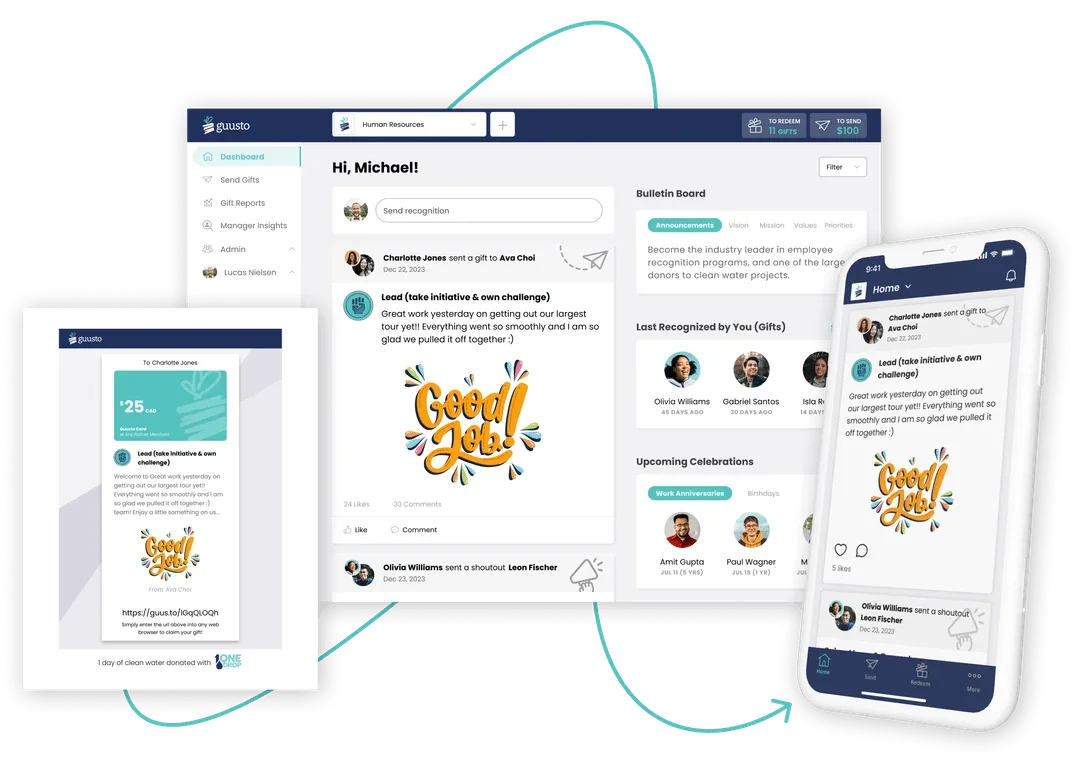
- Overview: Guusto uses a direct dollar-value reward system (no points) that can be sent to employees, contractors, or volunteers without requiring corporate emails. It supports peer recognition, milestone programs, and manager-led budgets, with digital or printed delivery options.
- Weakness: Its simplified structure may not offer the same level of data analytics or comprehensive program customization as scalable, enterprise-grade recognition platforms.
-
Cooleaf: (G2 rating: 4.9/5)
- Best for: Companies managing recognition, engagement, and feedback together.
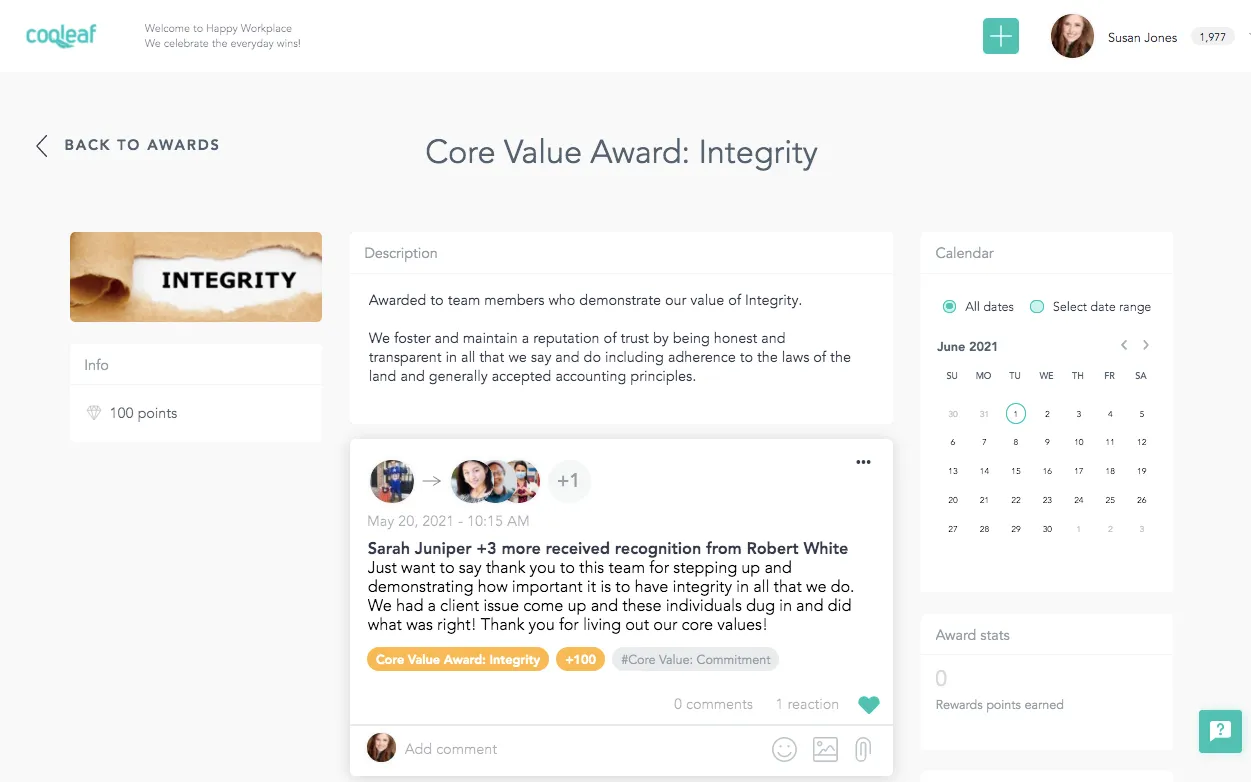
- Overview: Cooleaf integrates recognition, rewards, engagement programs, and employee feedback. It allows celebration of achievements, promotion of values, and automation of milestones, while collecting real-time insights through surveys and dashboards. It also supports community building.
- Weakness: Its broad engagement focus might limit the specialization and global rewards diversity found in platforms built primarily for large-scale recognition programs.
-
Espresa: (G2 rating: 4.3/5)
- Best for: Organizations combining recognition, wellbeing, and lifestyle benefits.
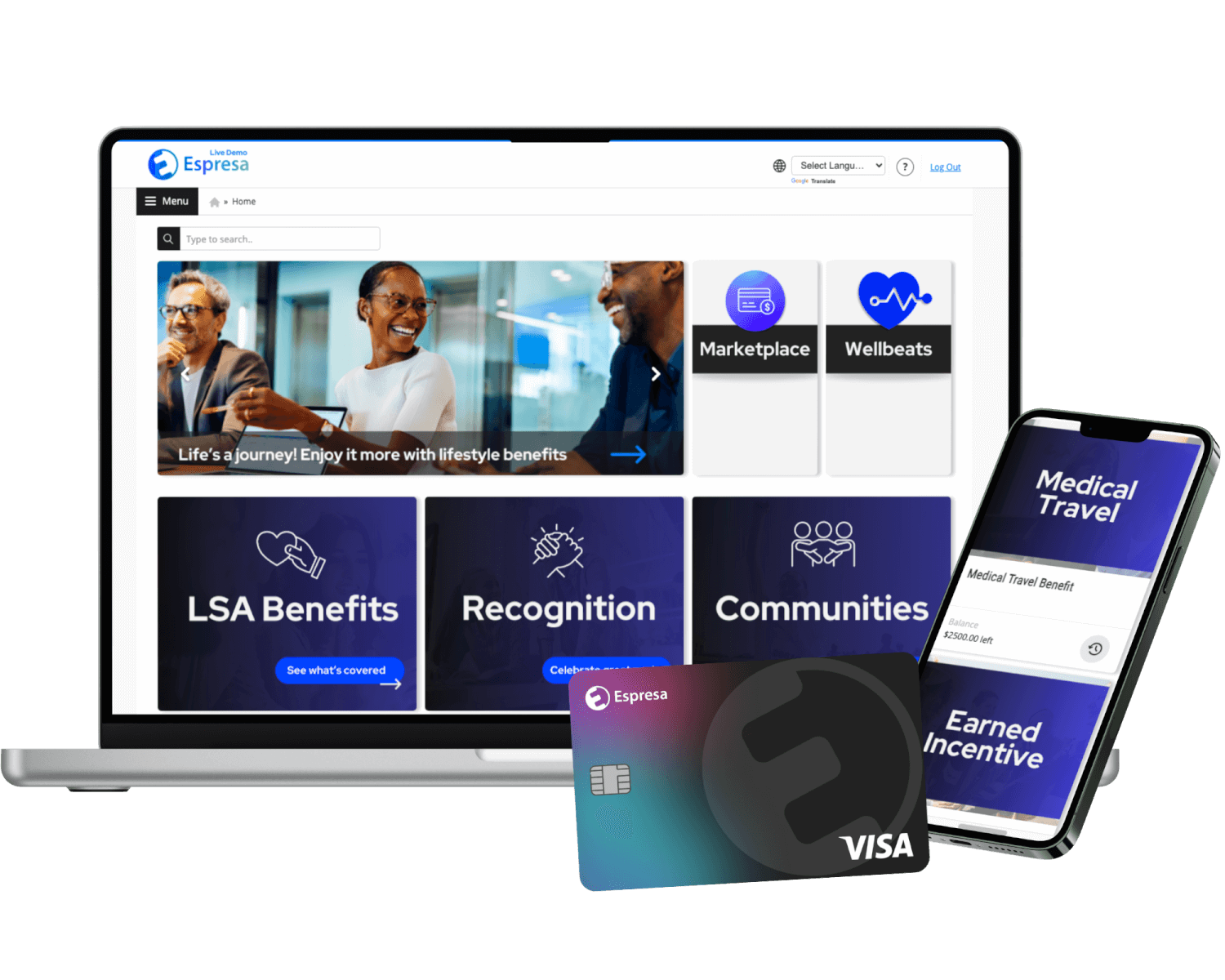
- Overview: Espresa offers a platform that connects appreciation, wellbeing initiatives, and lifestyle benefits. It supports peer-to-peer and cross-organizational recognition with both monetary and non-monetary options, all via a mobile-first design.
- Weakness: As an all-in-one solution, its recognition tools might not delve as deeply into data and behavioral insights as more specialized platforms.
-
Matter: (G2 rating: 4.7/5)
- Best for: Companies that want an easy way to embed recognition, feedback, and engagement directly into Slack or Teams.
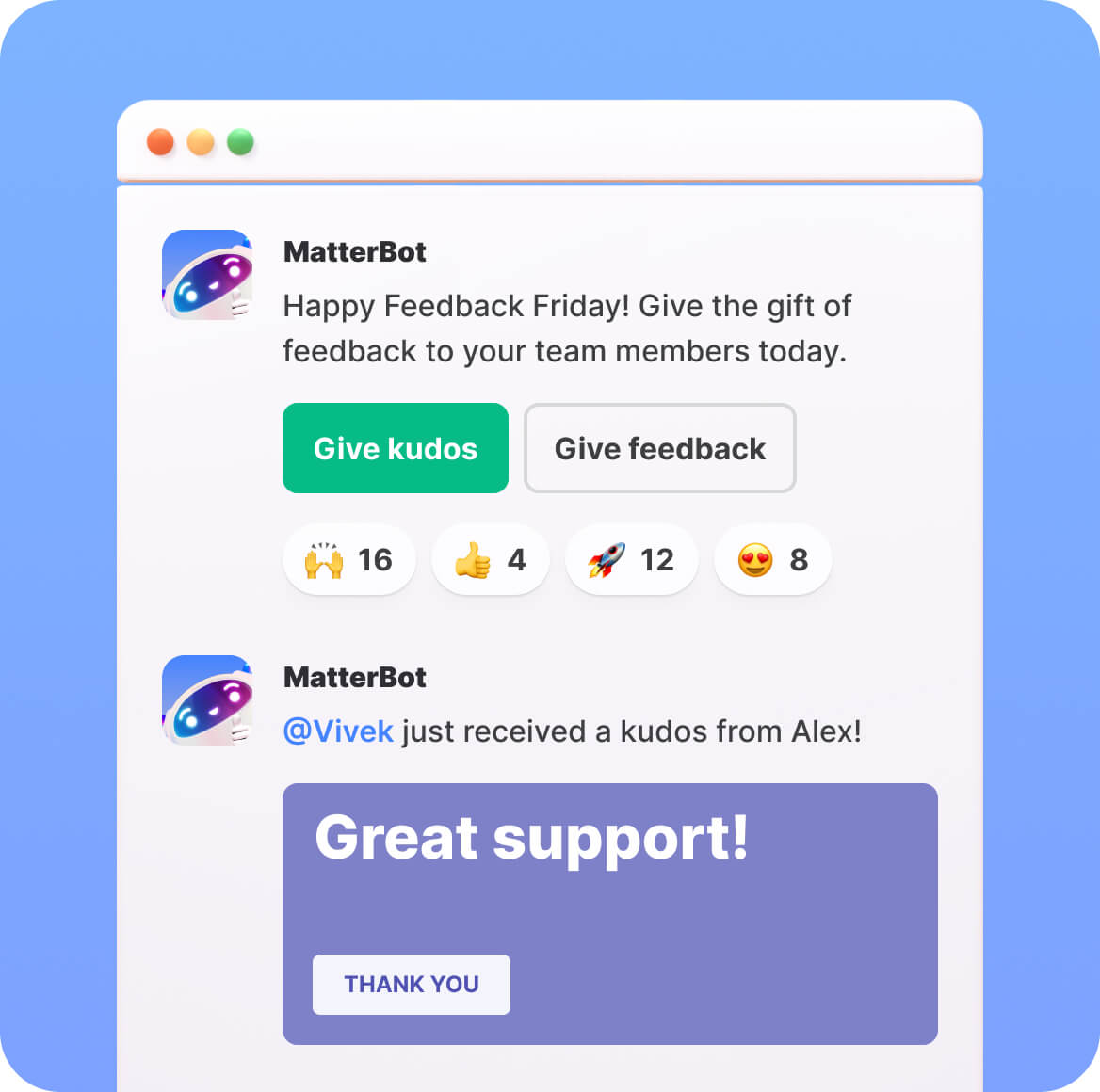
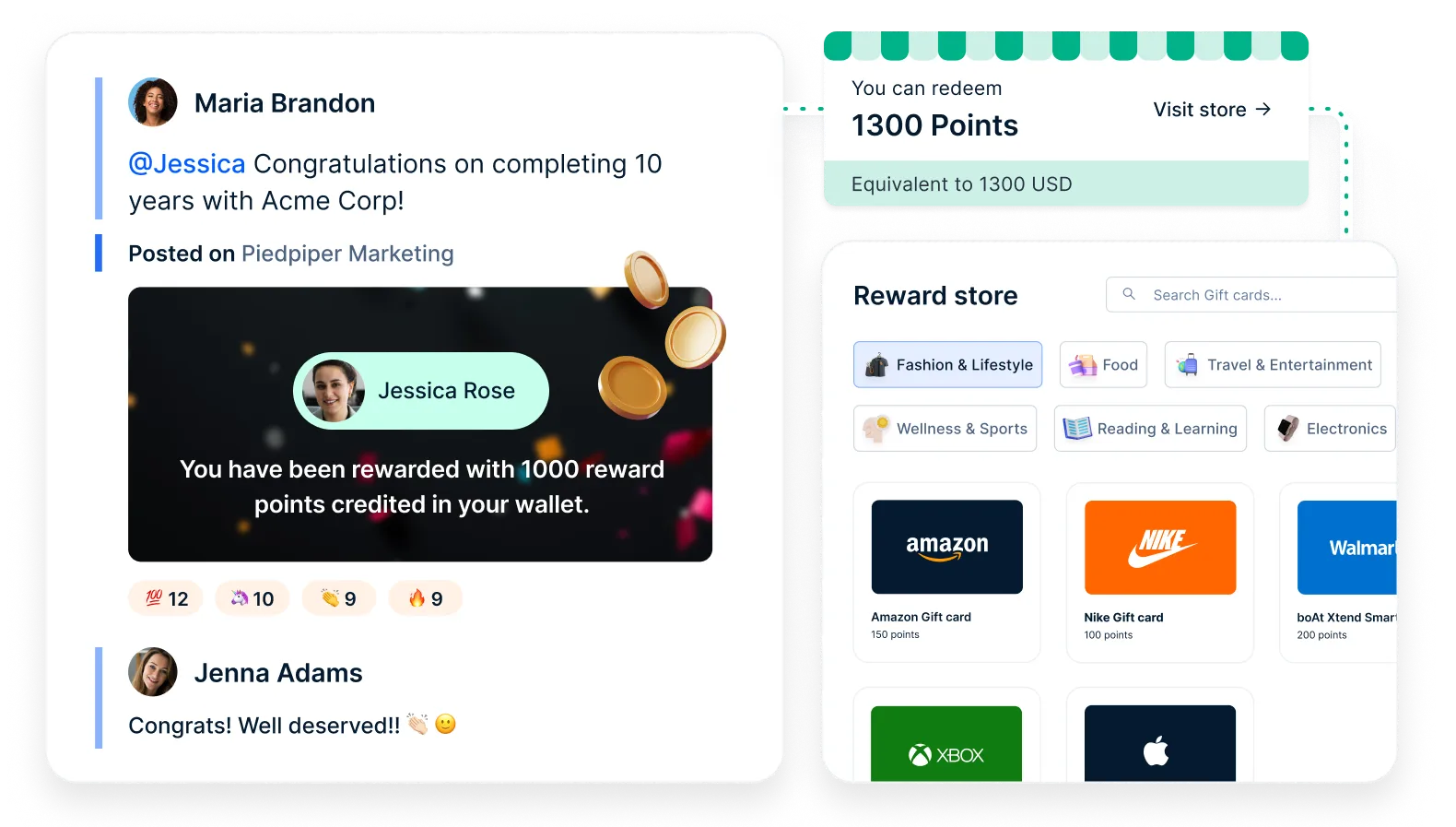
- Overview: Matter is a recognition and feedback platform built for direct integration with Slack and Microsoft Teams. It encourages peer-to-peer appreciation through kudos, automated celebrations, and customizable templates linked to company values, alongside coins-based rewards and pulse surveys.
- Weakness: Its strength in simplicity might mean it lacks the deeper reporting, customization, and global scalability offered by larger, more comprehensive recognition platforms.
-
Empuls (Xoxoday): (G2 rating: 4.6/5)
- Best for: Global organizations managing recognition, rewards, and communication.
- Overview: Empuls is an employee engagement platform unifying recognition, rewards, surveys, incentives, and communication tools. It supports feedback, peer recognition, and global reward distribution, featuring AI-driven analytics and a wide range of integrations.
- Weakness: Its broad engagement focus may limit the depth of customization and recognition-specific insights compared to more specialized recognition platforms.
-
Connecteam: (G2 rating: 4.6/5)
- Best for: Deskless and frontline teams needing all-in-one workforce tools.
- Overview: Connecteam is an all-in-one platform for managing deskless teams, combining operations, communication, HR, and engagement. Its recognition features allow managers to celebrate achievements, issue digital badges, and distribute gift cards directly within the mobile-first platform.
- Weakness: As a broad workforce management solution, its recognition capabilities might be secondary to platforms specializing in engagement and behavioral recognition insights.
-
Vantage Circle: (G2 rating: 4.7/5)
- Best for: Organizations seeking an integrated suite for recognition and perks.
- Overview: Vantage Circle offers an all-in-one platform integrating recognition, wellness, surveys, and perks. It provides social feeds, awards, automated milestones, and a large global rewards catalog, including gift cards, experiences, and merchandise.
- Weakness: May not offer the same depth of behavioral analytics or advanced recognition science as more specialized, high-end platforms.
Real-World Impact: The General Motors Case Study
The practical application of these platforms is perhaps best illustrated by the success story of General Motors (GM). With a colossal workforce exceeding 160,000 employees spread across six continents, GM faced a significant challenge: how to consistently reinforce company values, connect a globally diverse workforce, and make recognition easy, visible, and genuinely meaningful for everyone. Their existing recognition programs were a fragmented patchwork of manual processes, making consistent appreciation difficult for leaders and leaving many employees feeling unseen and undervalued. GM recognized the urgent need for a single, unified global platform that was user-friendly, highly visible, and intrinsically linked to desired company behaviors.
By implementing a recognition program powered by Achievers, GM successfully embedded appreciation into the daily workflow of its employees worldwide. The platform empowered instant peer-to-peer recognition, simplified manager participation, and automated milestone celebrations. This streamlined approach eliminated the friction of disparate local programs, replacing them with a cohesive, shared experience. Recognition became frequent, highly social, and effortlessly scalable.
The results were transformative and spoke volumes about the platform’s efficacy:
- GM witnessed an astonishing 5x increase in recognition frequency within just six months of launch.
- The platform achieved a remarkable 98% employee login rate, with 90% of employees participating in recognition monthly.
- Employee satisfaction related to recognition improved by 10%, demonstrating a tangible uplift in sentiment and perceived value.
GM’s experience underscored a critical lesson: when recognition is intuitive, visible, and seamlessly integrated into everyday work, its positive impact scales rapidly across even the largest and most complex organizations.
The Future of Work: Strategic Imperatives for Recognition
As we move deeper into 2026, employee recognition platforms are cementing their position not merely as HR tools, but as strategic business enablers. The future of work demands hyper-personalization, predictive analytics to anticipate and address engagement issues, and seamless integration within broader HR technology ecosystems. Organizations are increasingly leveraging these platforms to foster diversity, equity, and inclusion (DEI) by ensuring recognition is fair, transparent, and celebrates contributions from all segments of the workforce.
The ability of platforms like Achievers to combine social and monetary recognition with integrated reporting, analytics, connection tools, and AI-driven insights in a unified solution positions them as leaders in this evolving space. Achieving high recognition frequency, offering industry-leading integrations, and driving desired behaviors are hallmarks of platforms that truly move the needle on engagement, productivity, and retention.
In essence, the best recognition platform is one that is widely adopted, easily accessible, and designed to support consistent, scalable participation. It’s recognition that not only feels good but actively contributes to business objectives, transforming everyday moments into lasting organizational momentum. As companies continue to navigate the complexities of a global, diverse, and rapidly changing workforce, investing in a top-tier employee recognition platform will remain a critical strategic decision for sustained success.