
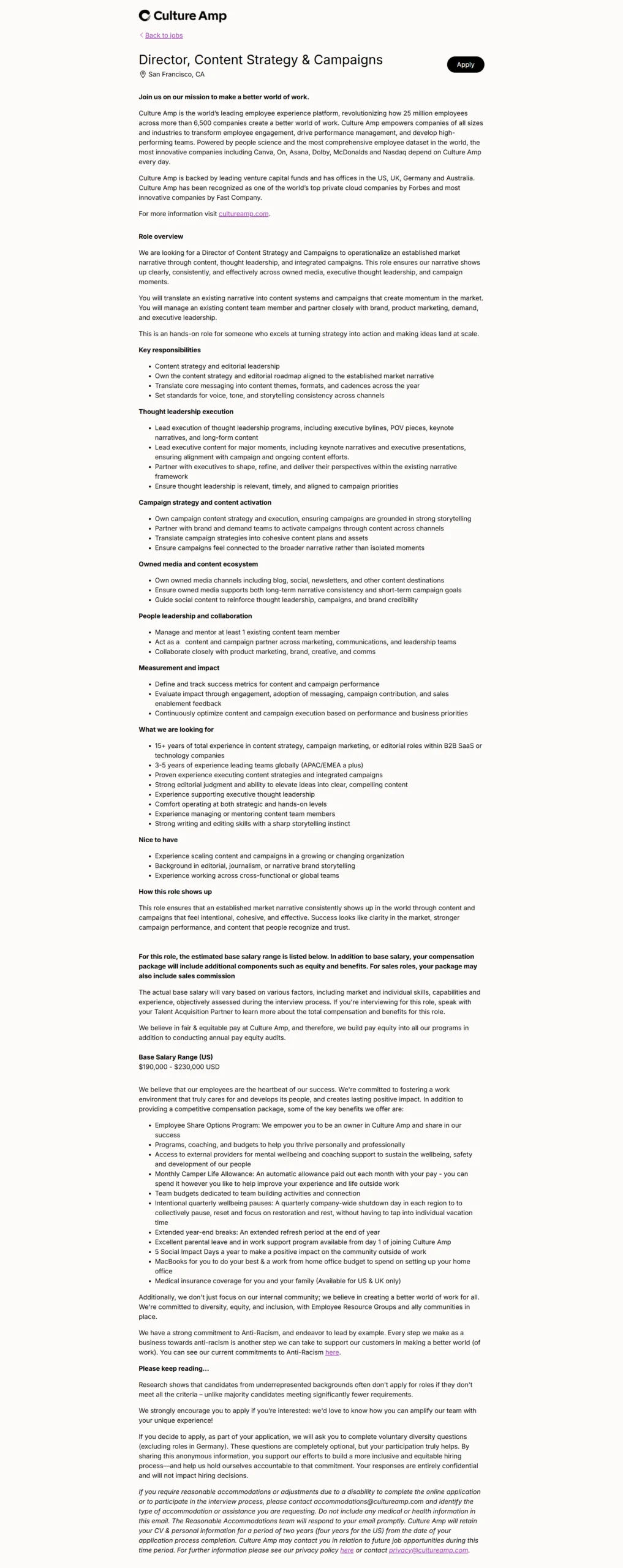
The content marketing landscape is experiencing unprecedented growth, with a critical shift in the skills required to navigate its evolving complexities. As digital transformation continues to reshape business strategies, the imperative for compelling, data-driven content has amplified, leading to a surge in demand for qualified professionals. A comprehensive study by SEMRush, analyzing 8,000 content marketing job listings across the United States, underscores this dynamic environment, revealing not only a booming job market but also a pronounced pressure on organizations to recruit talent equipped with a sophisticated blend of traditional marketing acumen, strategic thinking, and emerging technological proficiencies, particularly in artificial intelligence. This analysis, current as of April 8, 2026, offers a vital snapshot of the industry’s trajectory and the evolving expectations placed upon its practitioners.
The Strategic Imperative of Content Marketing
In the modern digital economy, content marketing has transcended its origins as a mere tactic to become a foundational pillar of business strategy. Companies across all sectors recognize its indispensable role in building brand authority, fostering customer relationships, driving organic traffic, and ultimately, converting leads into loyal customers. This strategic elevation is fueled by several interconnected trends: the proliferation of digital channels, the increasing sophistication of search engine algorithms, and a consumer base that actively seeks valuable information and authentic engagement from brands.
Over the past decade, content marketing has matured from basic blog posts and social media updates to highly complex, multi-channel campaigns involving video, podcasts, interactive experiences, and personalized narratives. This evolution has necessitated a corresponding transformation in the roles and responsibilities of content professionals. What began as a focus on pure writing has expanded to encompass strategic planning, data analysis, audience segmentation, technical SEO, and cross-functional collaboration, reflecting a broader understanding that content is not just about words, but about delivering measurable business impact. The SEMRush study highlights that by 2026, this shift is firmly entrenched, placing a premium on holistic content ownership rather than isolated content creation.
SEMRush Study: Unpacking the 2026 Content Marketing Job Market
The in-depth analysis of 8,000 content marketing job listings by SEMRush provides invaluable insights into the current state and future direction of the industry’s talent needs. The findings confirm a robust expansion in available roles, from entry-level content creators to senior-level Chief Content Officers. This growth trajectory reflects the ongoing investment by businesses in their digital presence and their recognition of content as a primary driver of competitive advantage.
A key takeaway from the study is the intensifying competition for top talent. While the number of opportunities is increasing, so too is the specificity of requirements. Companies are not just looking for individuals who can produce content; they are seeking strategic thinkers who can align content efforts with broader business objectives, measure performance, and adapt to rapidly changing digital landscapes. This demand has created a talent crunch, particularly for roles that require a blend of creative, analytical, and technological skills. The pressure to "hire the right ones" is a direct consequence of this gap, pushing organizations to refine their recruitment processes and clearly articulate the value and impact of their content teams. The data from the study serves as a critical benchmark for both job seekers aiming to future-proof their careers and hiring managers striving to build high-performing content departments.
The Evolving Skill Set: From Foundations to Strategic Leadership
The SEMRush study meticulously categorizes the most sought-after skills into three tiers, illustrating a clear progression of expectations across different career stages within content marketing.
Tier 1: Core Skills (The Non-Negotiables)
These foundational skills are deemed essential for nearly all content marketing roles, forming the bedrock upon which more specialized proficiencies are built. At the forefront are data literacy and narrative skills.
- Data Literacy: This encompasses the ability to understand, interpret, and apply data to content strategy and performance. Content marketers are increasingly expected to leverage analytics tools (e.g., Google Analytics, social media insights, SEO dashboards) to identify audience behavior, track content effectiveness, conduct A/B testing, and make informed decisions. This moves beyond simply reporting metrics to using data to optimize content, refine targeting, and demonstrate ROI.
- Narrative Skills: While seemingly a given, this goes beyond basic writing. It involves the ability to craft compelling stories that resonate with target audiences, maintain a consistent brand voice, adapt messaging for different platforms and formats, and persuade readers or viewers. It’s about strategic storytelling that achieves specific marketing objectives, whether building brand awareness, educating customers, or driving conversions. Other core skills implicitly demanded include a strong grasp of SEO fundamentals, understanding of content management systems (CMS), and basic multimedia proficiency.
Tier 2: Strategic & Differentiating Skills (Mid-to-Senior Level)
As professionals advance into mid-to-senior roles, the emphasis shifts towards strategic thinking and leadership capabilities. These skills enable content marketers to shape overall strategies and drive significant business impact.
- Content Strategy Development: The ability to conceive, plan, and execute comprehensive content strategies aligned with organizational goals, including audience research, content mapping, competitive analysis, and editorial calendar management.
- Audience Analysis & Segmentation: Deeper understanding of target demographics, psychographics, and user journeys to create highly relevant and personalized content experiences.
- Channel Optimization: Expertise in tailoring content for specific platforms (e.g., social media, email, blog, video) to maximize reach and engagement, understanding the unique nuances of each.
- Project Management: The capability to oversee complex content initiatives from conception to delivery, managing resources, timelines, and cross-functional teams.
- Cross-functional Collaboration: Effectively working with sales, product, design, and other marketing teams to ensure content supports broader business objectives and maintains consistency across all touchpoints.
Tier 3: Foundational Skills (Expected Baseline)
These are the fundamental proficiencies that are implicitly expected but may not always be explicitly highlighted as "must-haves" in senior job descriptions, as they are considered prerequisites. They include excellent written and verbal communication, meticulous editing and proofreading, thorough research capabilities, and a general understanding of marketing principles.
The AI Imperative: A New Baseline for Content Professionals
Perhaps one of the most significant shifts highlighted by the SEMRush study is the integration of Artificial Intelligence (AI) skills into content marketing job descriptions. The data reveals that 34% of senior content roles and nearly 20% of execution-level roles now explicitly mention AI as a requirement. This is not merely a "nice-to-have" but rapidly evolving into a baseline expectation, akin to proficiency in Google Analytics or a Content Management System (CMS).
The study clarifies that the demand for AI fluency is primarily focused on practical application rather than specialized prompt engineering (which appeared in less than 0.5% of listings). This indicates that companies expect content marketers to leverage AI tools for enhanced efficiency and effectiveness across various stages of the content lifecycle. Practical applications include:
- AI-Assisted Research: Utilizing AI to rapidly gather data, identify trends, and synthesize information for content development.
- Drafting and Ideation: Employing AI language models for initial content drafts, brainstorming ideas, or overcoming writer’s block.
- Content Optimization: Using AI tools for SEO keyword research, content readability analysis, grammar checking, and personalization.
- Workflow Integration: Seamlessly incorporating AI tools into existing content creation and distribution workflows to streamline processes.
The implication is clear: content professionals who can effectively integrate AI into their daily tasks will be at a distinct advantage. Hiring managers are keen to signal that AI-assisted workflows are an integral part of the job, demonstrating a forward-thinking approach to content production and optimization. This shift necessitates continuous learning and adaptation for all content marketers, ensuring they remain proficient with the latest technological advancements.
Crafting Compelling Content Marketing Job Descriptions: Best Practices
In a competitive talent market, a well-crafted job description is crucial for attracting the right candidates. The original article, authored by Heather Barbour Fenty, a seasoned writer passionate about solving HR problems, and published on Ongig, emphasizes several best practices:
-
Start with a Clear Job The title should be unambiguous and reflect the core function of the role. Generic titles can obscure the opportunity, while specific ones (e.g., "Social Media Content Creator" as exemplified by Tapestry, or "Video Content Specialist") immediately inform candidates about the role’s focus. Clarity aids searchability and attracts genuinely interested applicants.
-
Write an Engaging Job Summary: Beyond a mere description, the summary should captivate potential candidates. It needs to articulate the role’s purpose, its exciting aspects, and its contribution to the overall content strategy and business objectives. Highlighting the impact on brand awareness, audience engagement, or organic traffic, as seen in Canva’s "Content Lead" role for Brazil, demonstrates strategic ownership and growth potential, making the position more appealing.
-
Define Key Responsibilities Clearly: This section must provide a granular view of daily expectations. Specificity regarding content types (blog posts, videos, infographics, email campaigns), platforms (website, social media, external publications), and collaborative efforts (with design, product, sales teams) helps candidates envision themselves in the role and assess their fit.
-
Emphasize Cultural Fit and Core Values: A content creator is often the voice of a brand, making cultural alignment paramount. Including a section on company culture and values—such as collaboration, innovation, diversity, and inclusion—attracts candidates who not only possess the skills but also resonate with the organization’s mission and ethos. The example from BAD Marketing’s Copywriter job description illustrates how company values can be woven into the role’s essence.
-
Include Measurable Success Metrics (KPIs): Defining what success looks like provides clarity and motivation. Specifying metrics related to engagement, reach, conversions, or content performance (e.g., increased website traffic, improved time-on-page, higher social shares) allows candidates to understand how their contributions will be evaluated and their impact quantified.
-
Use Clear, Inclusive Language: To attract a diverse and broad talent pool, job descriptions must be free of jargon, unnecessary requirements, and biased language. Tools like Ongig Text Analyzer are invaluable for ensuring simplicity, accessibility, and inclusivity in wording, preventing the unintentional exclusion of qualified candidates.
-
List Any Essential Tools or Software: Specifying required software or tools helps filter applicants effectively. For content roles, this often includes Adobe Creative Suite, Canva, Google Analytics, SEO tools (SEMrush, Ahrefs), project management platforms (Asana, Trello), and marketing automation systems (HubSpot, Marketo). This indicates the operational environment and required technical proficiencies.
Common Key Performance Indicators (KPIs) for Content Marketing Roles
Measuring the effectiveness of content marketing is crucial for demonstrating ROI and guiding future strategy. The ZestBenefits Content Marketing Executive job post, referenced in the original article, provides an excellent overview of common KPIs:
- Website Traffic: Measures the volume of visitors attracted by content (e.g., unique visitors, page views).
- Organic Search Rankings: Tracks the position of content in search engine results for target keywords.
- Time on Page/Site: Indicates how engaged visitors are with the content.
- Bounce Rate: Percentage of visitors who leave after viewing only one page.
- Social Shares/Mentions: Measures content virality and brand visibility on social media.
- Email Sign-ups/Subscribers: Tracks lead generation through content offers.
- Conversion Rate: Percentage of visitors who complete a desired action (e.g., download, purchase) after engaging with content.
- Lead Generation/Quality: Measures the volume and quality of leads attributable to content.
- Sales Revenue Attributed to Content: Directly links content efforts to financial outcomes.
- Cost Per Lead (CPL): Evaluates the efficiency of content in generating leads.
- Brand Mentions/Sentiment: Tracks public perception and discussion around the brand due to content.
- Backlinks Generated: Indicates content’s authority and SEO value.
- Customer Retention Rate: Measures content’s role in fostering loyalty and repeat business.
These KPIs highlight the multifaceted nature of content marketing success, ranging from awareness and engagement to direct business impact.
Industry Outlook and Strategic Implications
The findings from the SEMRush study paint a clear picture of a rapidly evolving and increasingly sophisticated content marketing industry. For job seekers, this signifies a need for continuous learning and adaptation. Merely possessing strong writing skills is no longer sufficient; professionals must cultivate data literacy, strategic thinking, and practical AI proficiency to remain competitive. Specializing in niche areas like video content, interactive media, or technical SEO, while also maintaining a broad understanding of the content ecosystem, will be crucial.
For employers and hiring managers, the implications are equally significant. Attracting top-tier talent in this competitive market requires more than just listing requirements. It demands crafting transparent, engaging, and inclusive job descriptions that clearly articulate the role’s impact and growth potential. Organizations must also invest in upskilling their existing teams to integrate new technologies like AI and foster a culture of continuous learning. Furthermore, competitive compensation, clear career progression paths, and an emphasis on work-life balance will be vital differentiators in securing the best content professionals.
The future of content marketing, as envisioned by this 2026 analysis, is one where creativity is amplified by data, strategy is informed by analytics, and efficiency is supercharged by artificial intelligence. The industry is poised for continued expansion, but success will hinge on the ability of both individuals and organizations to embrace this dynamic evolution and strategically adapt to its demands. Heather Barbour Fenty and Ongig’s insights serve as a timely guide for navigating this exciting yet challenging landscape, emphasizing the transformative power of optimized job descriptions in connecting talent with opportunity.






