
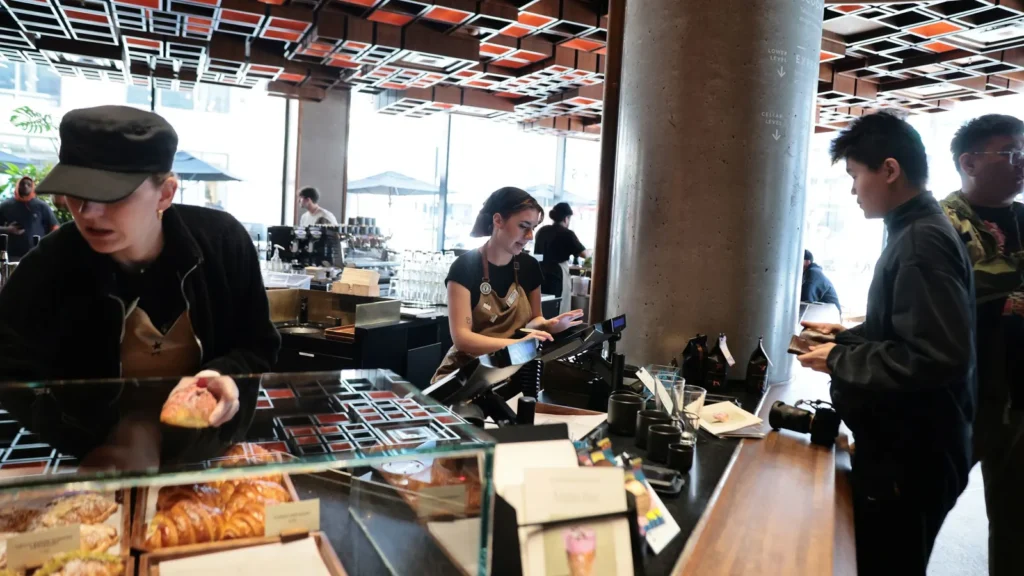
A groundbreaking report from AI candidate screening platform Cangrade, published on April 10, 2026, has illuminated the evolving preferences of the modern workforce, asserting that a significant portion of today’s employees, particularly those from Gen Z and millennial demographics, are most engaged and productive when their work provides meaningful interaction and clear, tangible outcomes. This finding, based on an extensive analysis of 71,747 personality assessments conducted throughout 2025, underscores a critical shift in employee expectations that HR leaders and organizations must address to foster engagement, optimize performance, and ensure long-term retention.
Deep Dive into Generational Strengths: Collaboration, Resilience, and Self-Direction
The Cangrade research highlights that as Gen Z (born roughly 1997-2012) and millennials (born roughly 1981-1996) increasingly constitute the majority of the global workforce, their unique attributes are reshaping conventional workplace dynamics. The report identifies that these generations are particularly well-suited for roles that emphasize collaboration, demonstrate resilience in the face of challenges, and allow for independent execution of tasks. These aren’t merely anecdotal observations but are backed by quantifiable data from personality assessments that measure traits such as conscientiousness, openness to experience, agreeableness, emotional stability, and extraversion in a professional context.
Specifically, the report states, "Gen Z and Millennials bring distinctive strengths to the workforce. Emotional intelligence, stress management, and self-direction position them well for today’s work environments." Emotional intelligence, often defined as the ability to understand and manage one’s own emotions, as well as perceive and influence the emotions of others, is crucial for navigating complex team dynamics and customer interactions. Their proficiency in stress management, potentially honed by growing up in an era of rapid change and digital overwhelm, allows them to maintain composure and effectiveness under pressure. Furthermore, a strong sense of self-direction speaks to their desire for autonomy and ownership over their work, a characteristic that aligns well with agile methodologies and project-based work structures prevalent in many modern organizations. This combination of traits suggests a workforce that is not only adaptable but also capable of driving innovation and fostering positive workplace cultures.
Understanding the Generational Blueprint: From Digital Natives to Economic Realities
To fully appreciate the implications of Cangrade’s findings, it is essential to understand the formative experiences that have shaped Gen Z and millennials. Millennials, often referred to as "digital pioneers," came of age alongside the internet’s widespread adoption, witnessing rapid technological advancements and experiencing significant economic shifts, including the dot-com bubble burst and the 2008 global financial crisis. These experiences instilled a pragmatic approach to careers, a desire for work-life integration, and a strong emphasis on personal growth and purpose. They often seek mentorship, feedback, and opportunities to make a tangible impact.
Gen Z, on the other hand, are "digital natives," having grown up entirely immersed in a hyper-connected, social media-driven world. This constant connectivity has fostered a global perspective, a heightened awareness of social justice issues, and an expectation of instant access to information and feedback. They entered the workforce amidst unprecedented uncertainty, including the COVID-19 pandemic, which further solidified their prioritization of mental well-being, flexibility, and a sense of belonging in their professional lives. Unlike their predecessors, Gen Z employees often value stability and security alongside purpose, having witnessed economic volatility and job insecurity firsthand. This blend of idealism and pragmatism defines their approach to work.
Compared to previous generations, such as Gen X (born 1965-1980) who often value independence and a results-oriented approach, or Baby Boomers (born 1946-1964) who typically prioritized loyalty and career progression within a single organization, Gen Z and millennials demonstrate a more fluid and values-driven relationship with their employers. Their expectations extend beyond traditional compensation and benefits to encompass a holistic view of work that integrates personal values, professional development, and societal impact.
The Pursuit of Purpose and Connection: Why Meaning Matters
The report’s emphasis on "meaningful interaction and clear outcomes" resonates deeply with the core values often attributed to these younger generations. Meaningful interaction implies a desire for genuine connection with colleagues, managers, and the organization’s mission. This goes beyond superficial pleasantries, extending to collaborative problem-solving, open communication, and a sense of psychological safety where ideas are welcomed and diverse perspectives are valued. For these generations, the "how" of work—the process, the collaboration, the shared experience—is often as important as the "what"—the task itself.
Clear outcomes, meanwhile, address their need for transparency, impact, and a sense of accomplishment. In an era where work can often feel fragmented or abstract, knowing precisely how their contributions feed into larger organizational goals provides a crucial sense of purpose and direction. This clarity also facilitates self-direction and accountability, as individuals can better track their progress and understand their role in collective success. According to a 2023 Deloitte Global Millennial and Gen Z Survey, 77% of Gen Z and 73% of millennials believe that having a sense of purpose at work is important, indicating a strong link between meaning and overall job satisfaction. This desire for purpose is not merely altruistic; it is intrinsically linked to their motivation and willingness to invest their time and energy.
Strategic Recommendations for HR Leaders: Cultivating Engagement and Performance
The Cangrade report offers actionable strategies for HR leaders seeking to optimize the contributions of Gen Z and millennial workers, transforming potential challenges into significant advantages.

-
Optimizing Role Placement: Customer-Facing and Collaborative Teams: Leveraging the emotional intelligence and strong communication skills of these generations, the report advises placing them in customer-facing positions. Here, their ability to empathize, build rapport, and manage stress can directly enhance customer satisfaction and brand loyalty. Similarly, their natural inclination towards collaboration makes them ideal candidates for team-based projects, where their diverse perspectives and digital fluency can drive innovation and foster dynamic problem-solving environments. Progressive companies are increasingly redesigning roles to include more collaborative elements and direct client interaction, moving away from siloed functions.
-
Enhancing Focus and Productivity: Minimizing Distractions and Fostering Deep Work: While these generations are adept at multitasking, the constant influx of digital information can sometimes lead to challenges with sustained focus. To counter this, the report suggests several practical interventions:
- Reduce Unnecessary Meetings: Streamlining meeting schedules, enforcing strict agendas, and encouraging asynchronous communication can free up valuable time.
- Minimize Interruptions: Implementing "do not disturb" periods or encouraging the use of status indicators can help employees concentrate.
- Create Dedicated Deep-Work Time: Organizations can designate specific blocks of time or even physical spaces for uninterrupted, focused work, acknowledging the cognitive demands of complex tasks.
- Provide Workplace Tools to Support Concentration: Investing in noise-cancelling headphones, focus-enhancing software, or ergonomic workspaces can create an environment conducive to deep work. This approach aligns with broader trends in workplace design that prioritize employee well-being and productivity.
-
Bridging Skill Gaps: Adaptability, Critical Thinking, and Structured Development: The report acknowledges potential skill gaps, particularly concerning adaptability and critical thinking. To address these, it recommends strategic pairings:
- Match Adaptable Team Members with Consistent Ones: This allows more adaptable individuals to guide and mentor those who prefer structure, while consistent workers can ensure stability and adherence to best practices.
- Pair Critical Thinkers with Relationship Builders: This combination fosters well-rounded teams capable of both rigorous analysis and effective communication, preventing analysis paralysis while ensuring human-centric solutions.
- Provide Structured Change Management: The report clarifies, "Lower adaptability doesn’t mean resistance to change – it means a need for structured change management." This implies that HR leaders should provide clear frameworks, explicit communication regarding changes, and gradual transitions rather than abrupt shifts. This empathetic approach recognizes that while change is inevitable, the process of adaptation can be managed to reduce anxiety and enhance buy-in. Investing in continuous learning and development programs that specifically target critical thinking, problem-solving, and resilience can further empower these employees.
The Retention Imperative: Loyalty Beyond Compensation
Beyond engagement, the retention of Gen Z and millennial talent is a critical concern for organizations. January 2026 research from global tech career and training firm General Assembly highlighted that while 79% of millennial knowledge workers were satisfied with their current role, their loyalty was not guaranteed. The study indicated that better pay, clearer growth paths, and stronger learning opportunities were significant factors that could prompt them to seek employment elsewhere. This finding reinforces the notion that while purpose and meaningful work are vital, they are not sufficient in isolation.
Further data from a 2024 PwC Global Workforce Hopes and Fears Survey found that 46% of Gen Z and 44% of millennials were likely to look for a new job in the next 12 months, significantly higher than older generations. The top reasons cited included higher compensation, better work-life balance, and opportunities for skill development. This emphasizes that a holistic approach to employee value proposition is necessary, integrating competitive compensation and benefits with a supportive culture, clear career progression, and continuous learning opportunities. Organizations that fail to offer these comprehensive packages risk losing their most promising young talent to competitors who do.
Broader Implications for the Future Workplace: A Paradigm Shift

The insights from Cangrade’s report, combined with other generational studies, point towards a fundamental paradigm shift in the future of work. Organizations can no longer rely on traditional hierarchical structures or command-and-control leadership styles. Instead, success will hinge on creating dynamic, inclusive, and purpose-driven environments that cater to the evolving expectations of a diverse, multi-generational workforce.
This shift has profound implications for various HR functions:
- Talent Acquisition: Recruitment strategies must emphasize company culture, opportunities for impact, and learning paths, not just job descriptions and salaries. Storytelling about company values and employee experiences will become crucial.
- Learning & Development: Programs must be personalized, accessible, and continuous, focusing on both hard skills (e.g., AI literacy, data analytics) and soft skills (e.g., emotional intelligence, adaptability). Mentorship and sponsorship programs will be vital for career growth.
- Performance Management: Shift from annual reviews to continuous feedback, coaching, and goal setting. Focus on strengths-based development and recognizing contributions beyond just metrics.
- Compensation & Benefits: A move towards total rewards that encompass not just financial incentives but also well-being programs, flexible work arrangements, and opportunities for social impact.
- Leadership Development: Leaders must be trained in empathetic communication, coaching, fostering psychological safety, and empowering autonomy. The role of a leader is transitioning from a director to a facilitator and mentor.
Expert Perspectives and Organizational Adaptations
Experts in organizational psychology and workforce strategy generally concur with the findings, emphasizing the importance of a nuanced understanding of generational differences. Dr. Alex Chen, a prominent organizational psychologist, stated in a recent industry forum, "It’s not about catering exclusively to one generation but about creating an inclusive environment where everyone feels valued and can contribute their best. However, understanding the predominant motivators of your largest cohorts – currently Gen Z and millennials – is a strategic imperative."
Progressive companies are already adapting their strategies. For instance, many tech giants have implemented "no-meeting Wednesdays" or dedicated "focus hours" to facilitate deep work. Others are investing heavily in internal mobility programs and personalized career development plans to offer clear growth paths. Companies are also redesigning office spaces to include more collaborative zones, quiet areas, and amenities that support employee well-being, recognizing that the physical environment plays a role in fostering a positive work experience. Furthermore, corporate social responsibility initiatives are becoming more integrated into core business strategies, providing opportunities for employees to contribute to causes they care about, thus fulfilling their desire for meaningful impact.
Conclusion: Navigating the Multi-Generational Landscape
The Cangrade report serves as a timely reminder that the workforce is a living, evolving entity, constantly shaped by broader societal, technological, and economic forces. For HR leaders and organizations, understanding the intrinsic motivations of Gen Z and millennials – their desire for meaningful interaction, clear outcomes, purpose, and growth – is no longer optional but essential for sustainable success. By proactively implementing strategies that align with these generational preferences, fostering a culture of collaboration and autonomy, and providing robust support for development and well-being, businesses can unlock the full potential of their younger talent. This proactive adaptation will not only enhance employee engagement and retention but also drive innovation, resilience, and ultimately, long-term organizational prosperity in an increasingly dynamic global economy. The future of work is not just about what we do, but how we do it, and for whom.






